





dive more
experience more

Discover the natural wonders of Indonesia with the archipelago’s favorite Liveaboard, La Galigo

Created by divers
for divers

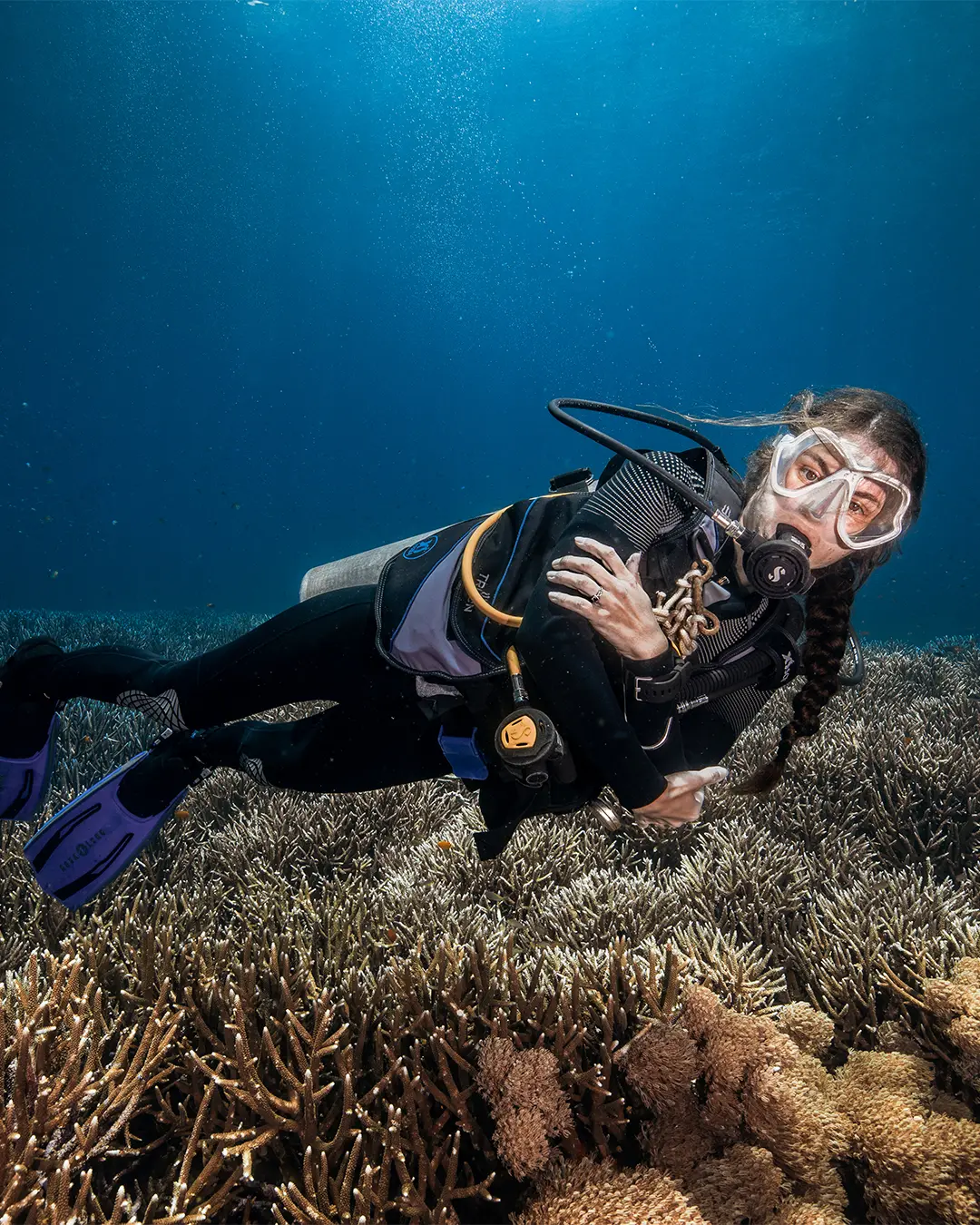
Welcome to La Galigo Liveaboard, Indonesia’s leading dive Liveaboard! Led by our expert crew, fueled by a passion for diving, we take you on unforgettable dive holidays through the vibrant waters of Komodo, Raja Ampat, Lembeh, Halmahera, and beyond. We center our philosophy on four key pillars: safety, customer satisfaction, comfort, and an unwavering passion for the ocean. These principles guide everything we do allowing you to enjoy the breathtaking marine biodiversity and memories to last a lifetime.

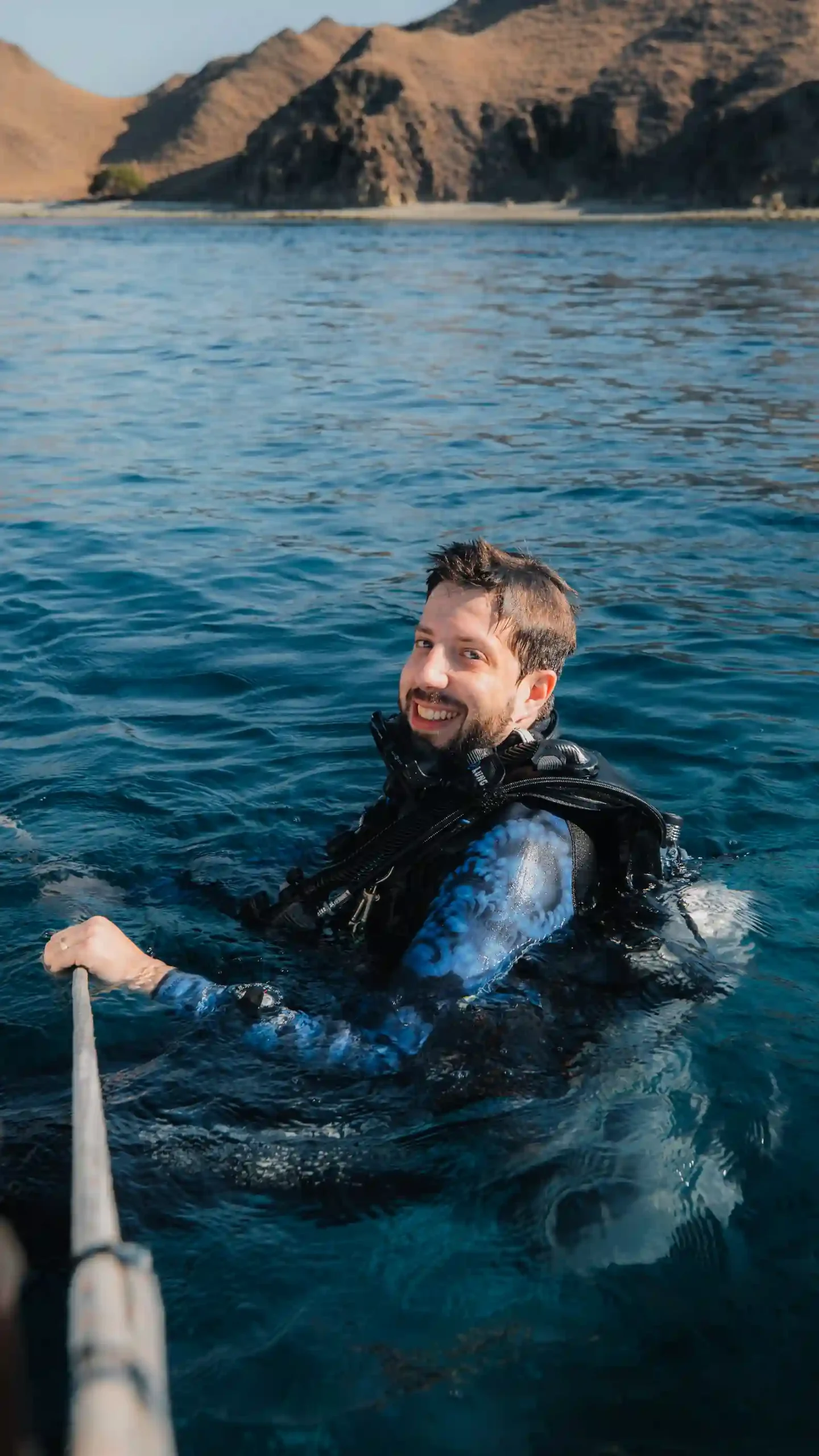
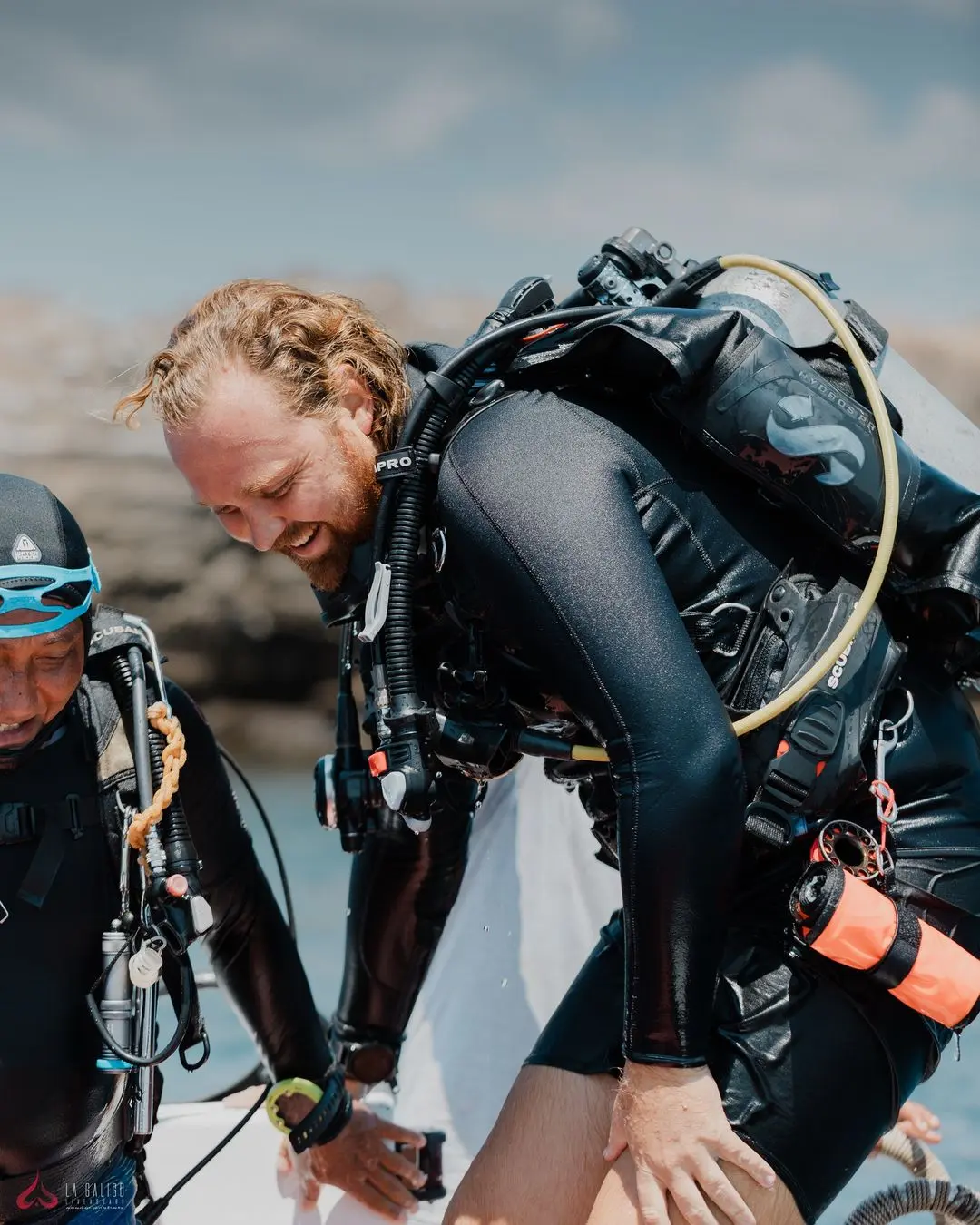
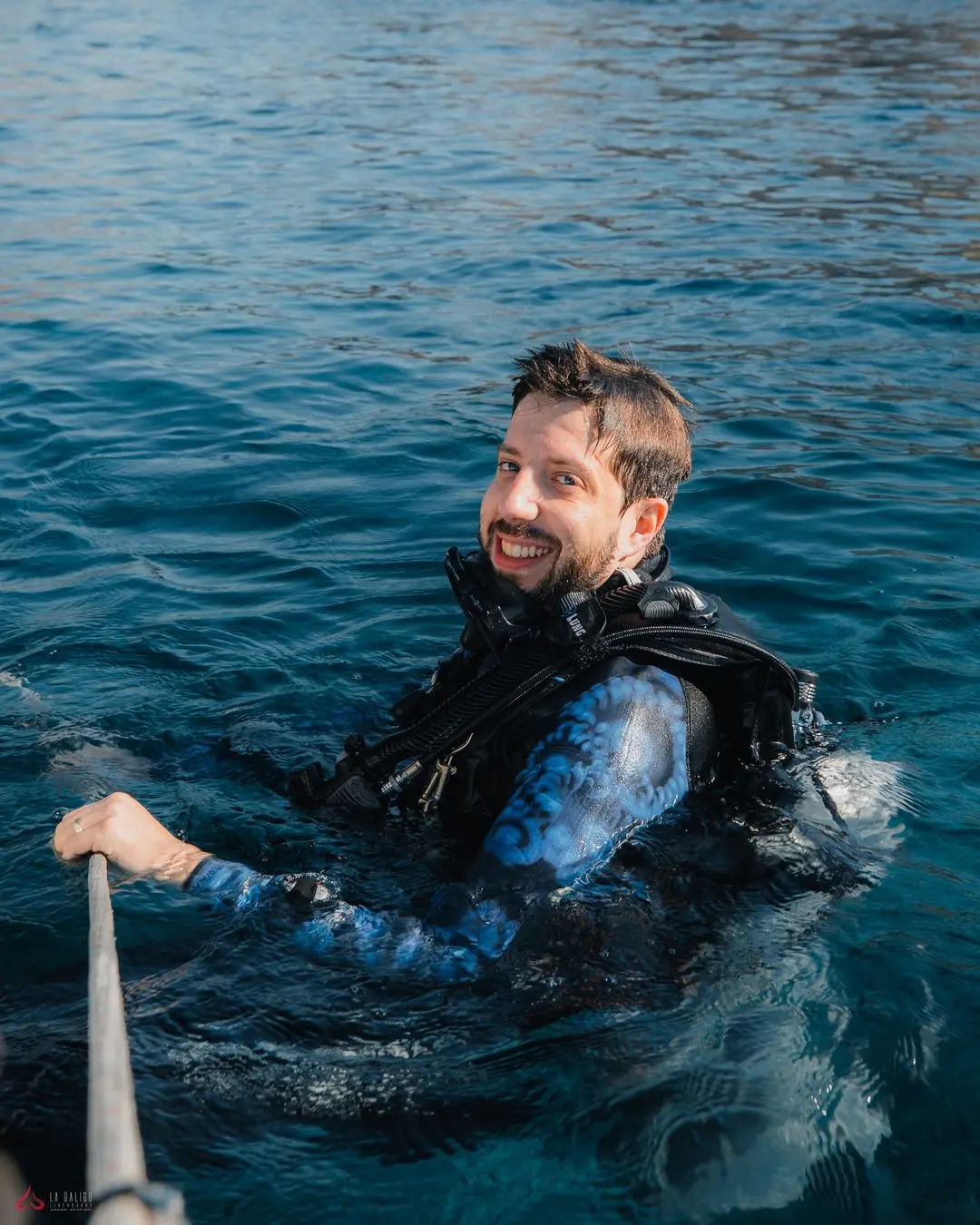
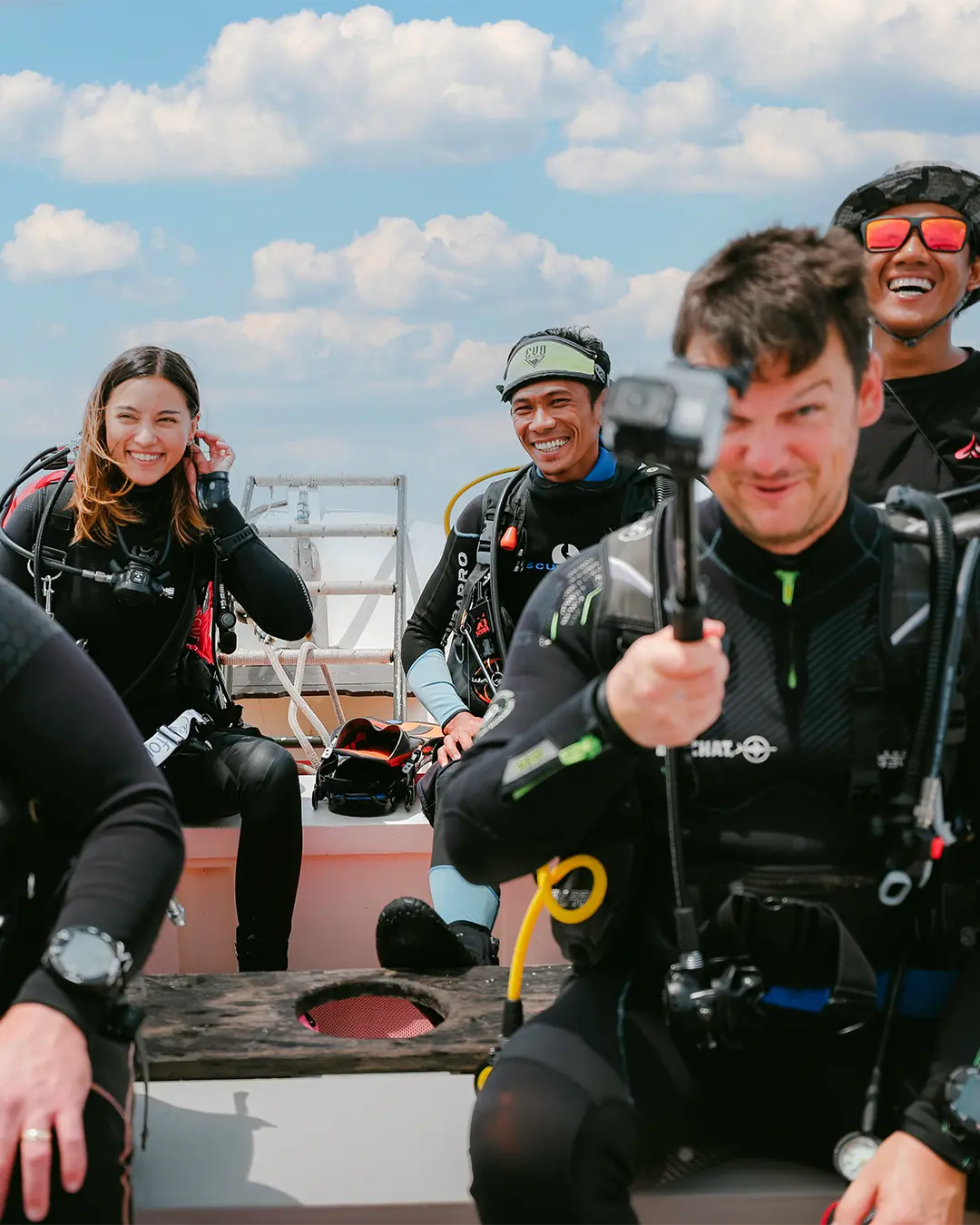
Scuba diver smiling on water surface after a great diving session
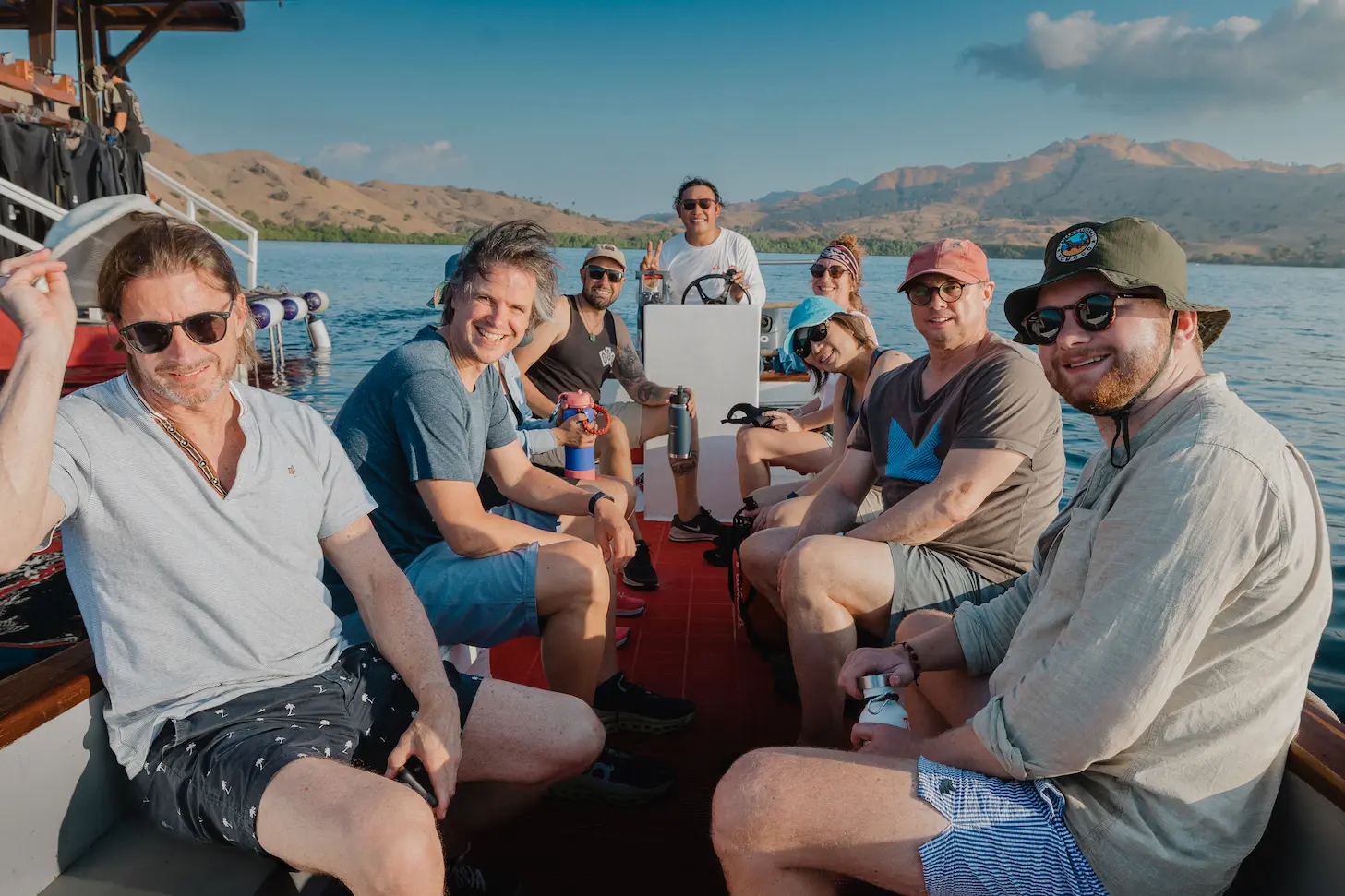
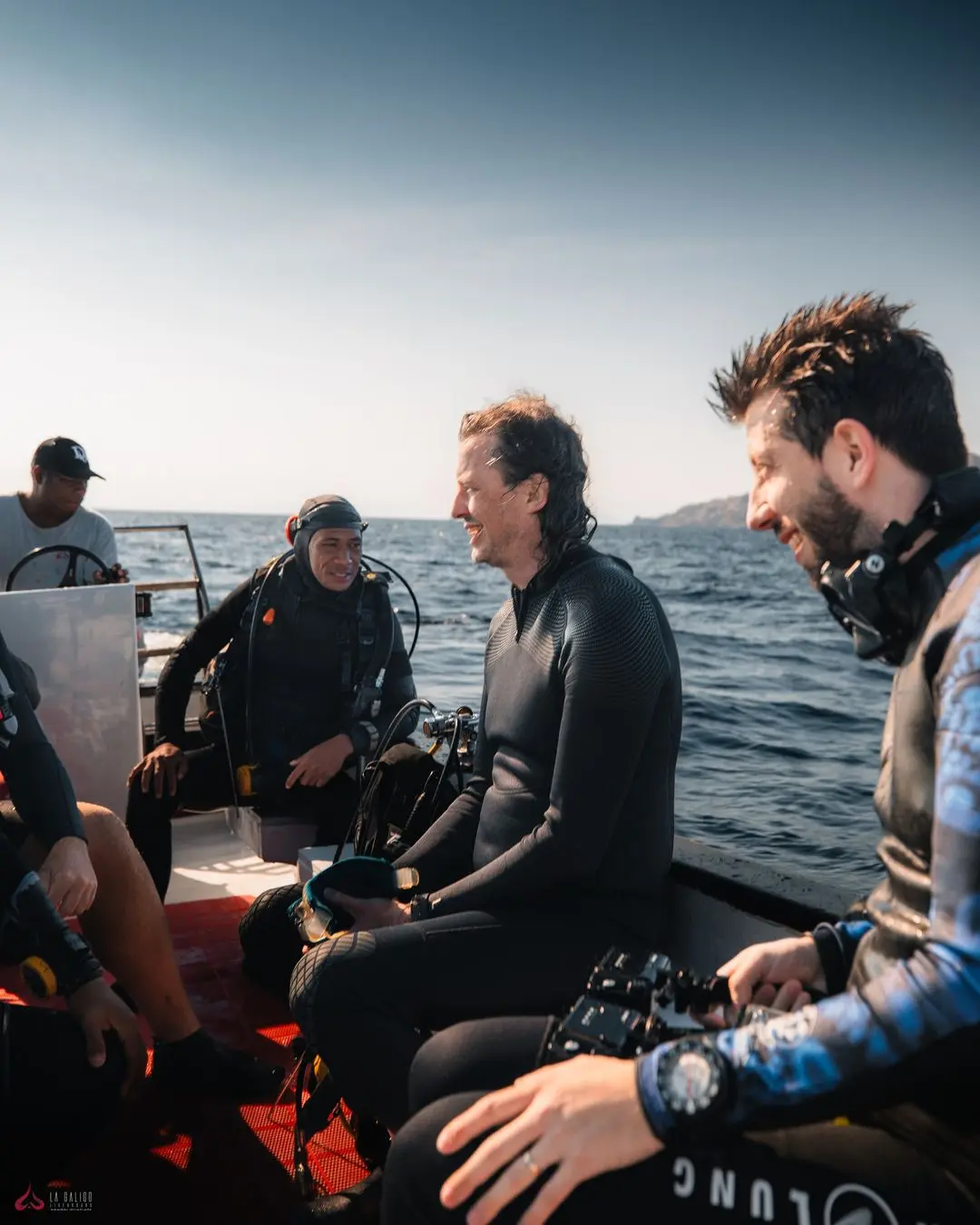
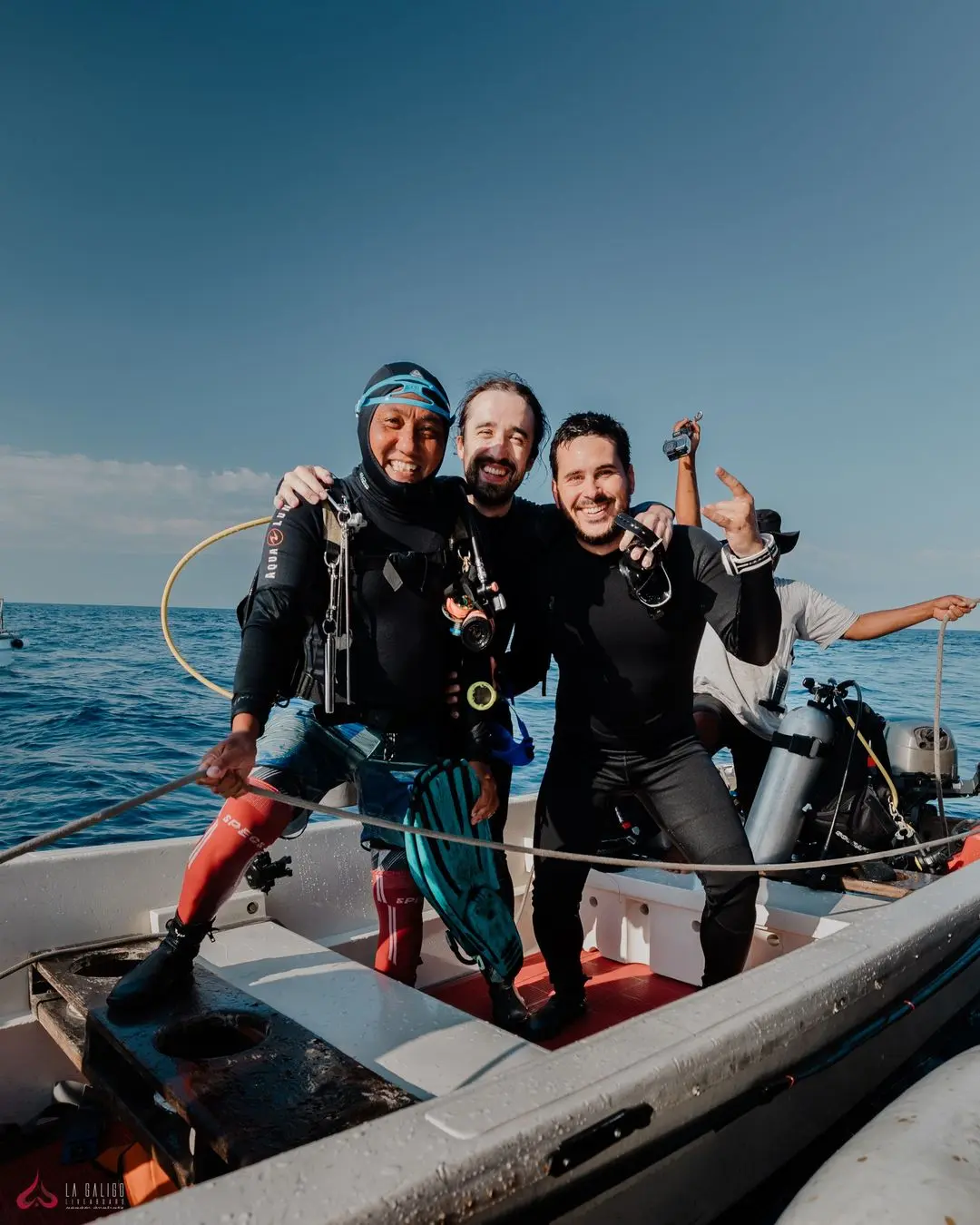
liveaboard guests posing on la galigo's speed boat
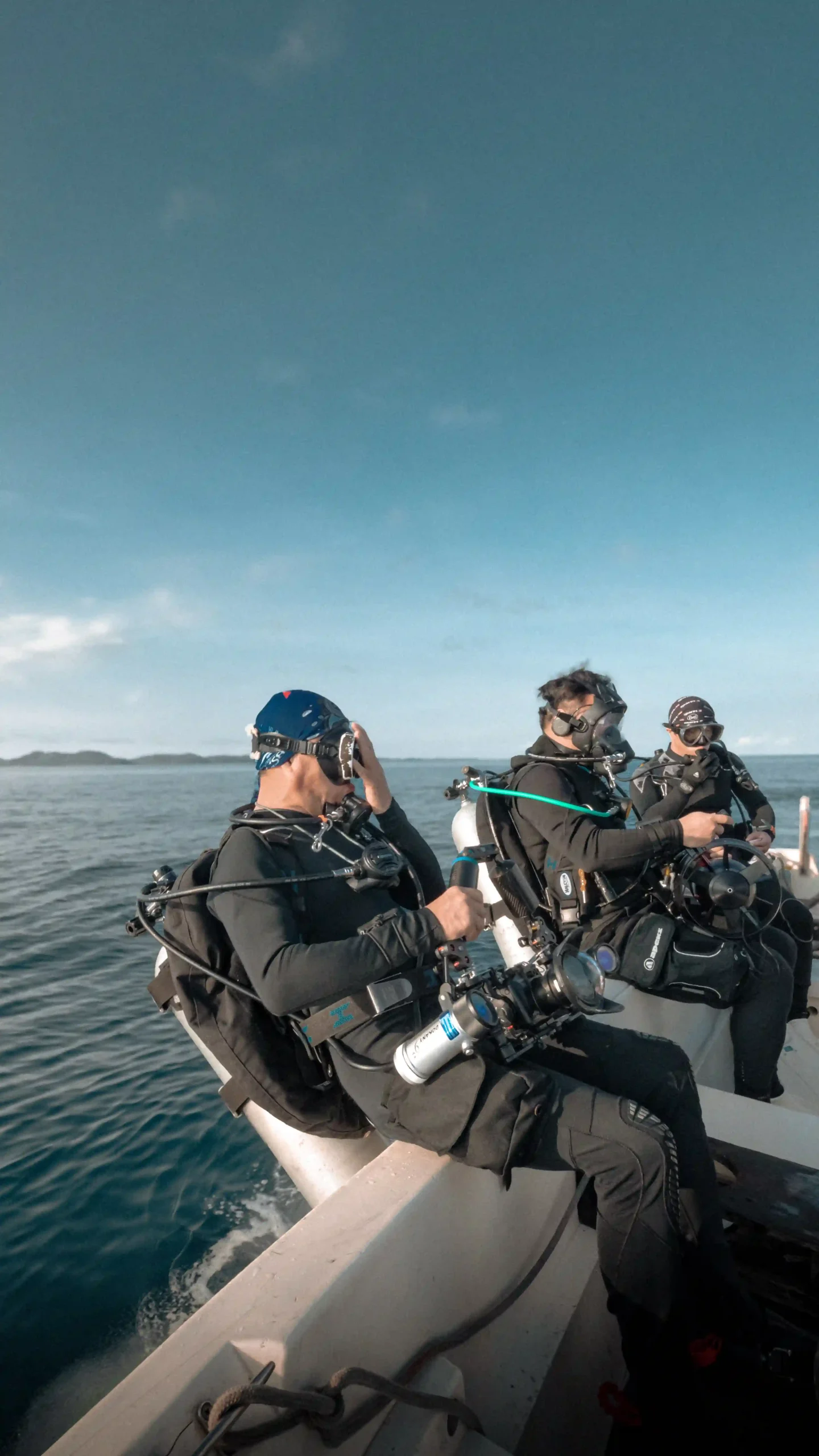
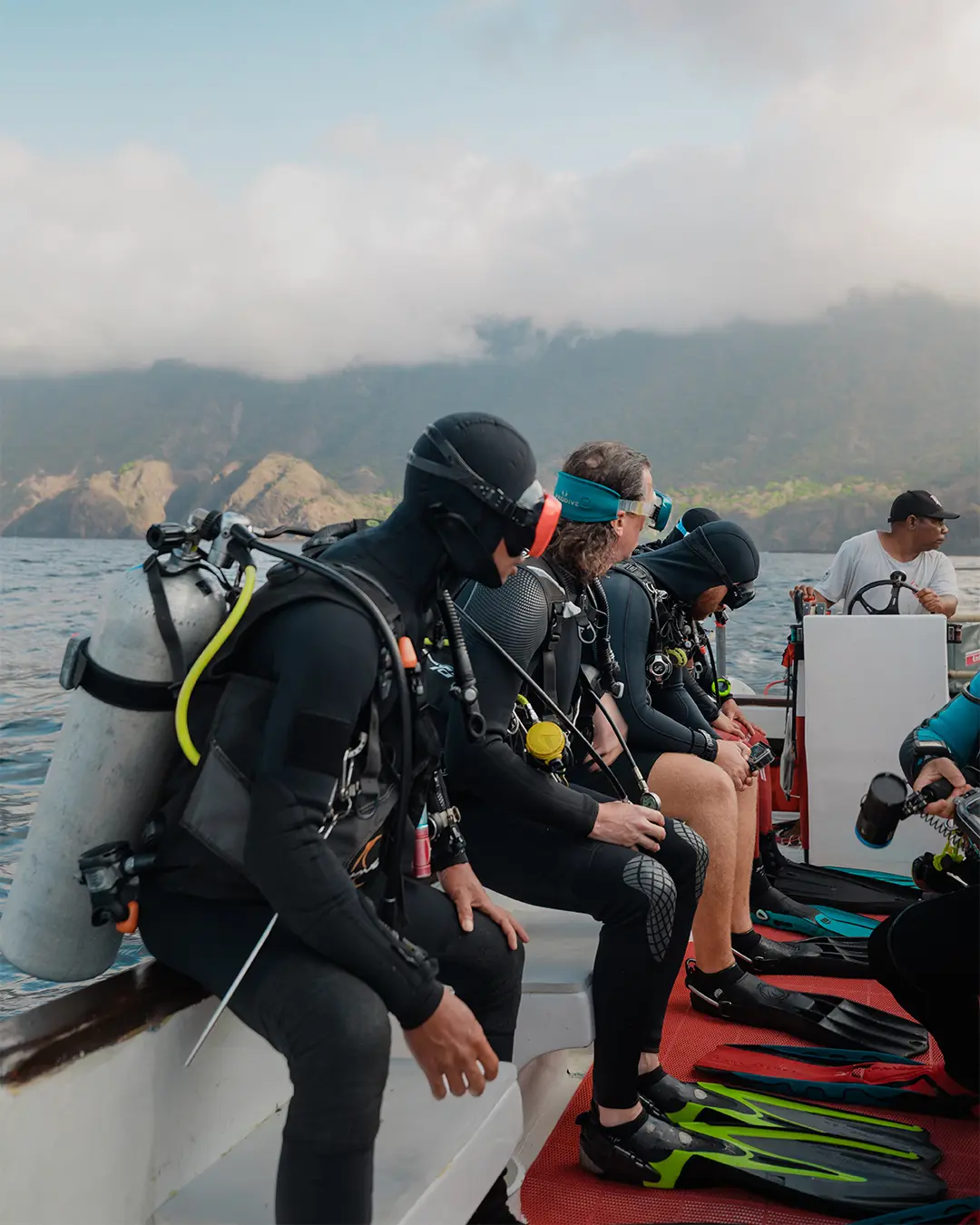
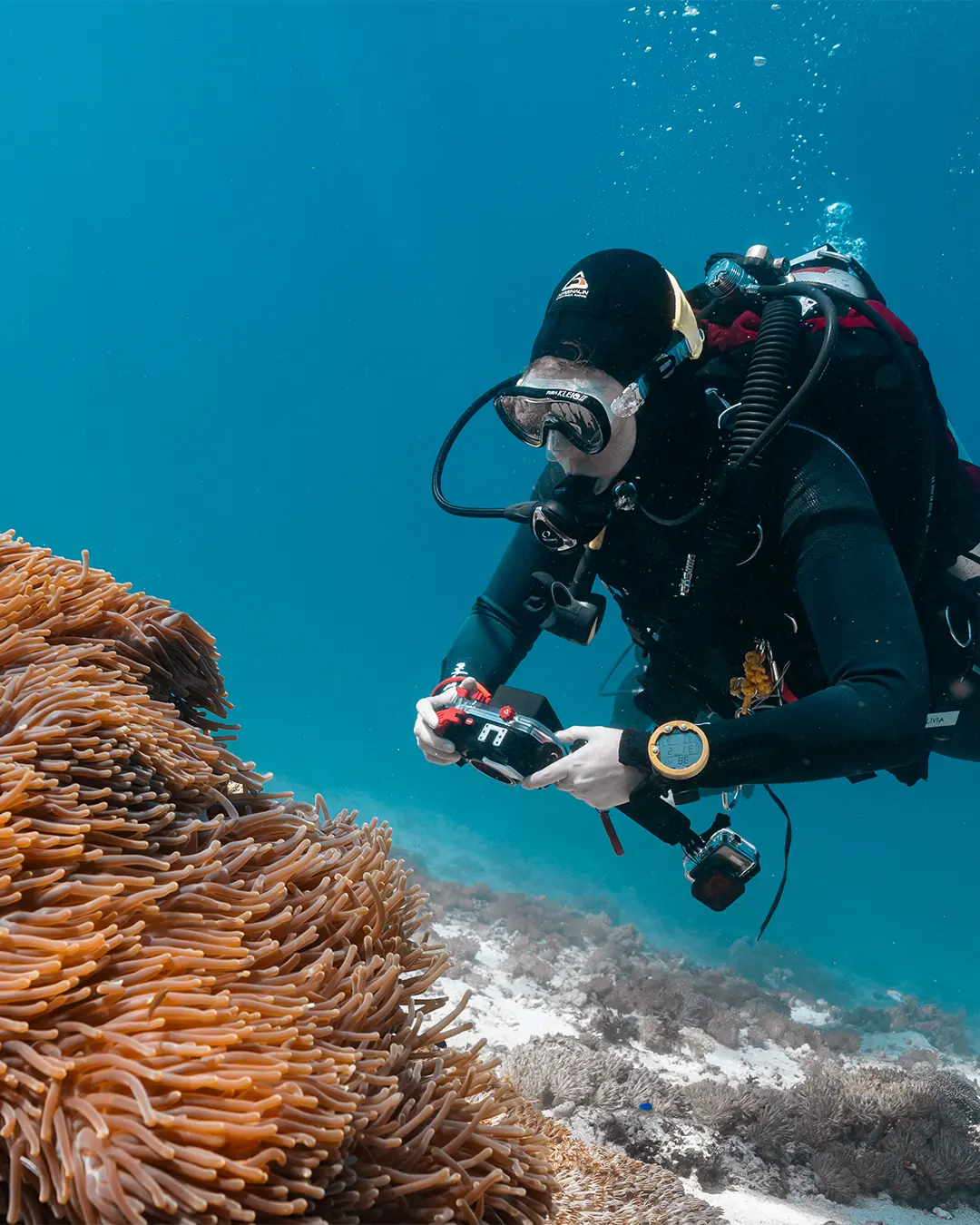
Scuba divers were about to backroll into the water in Raja Ampat Indonesia

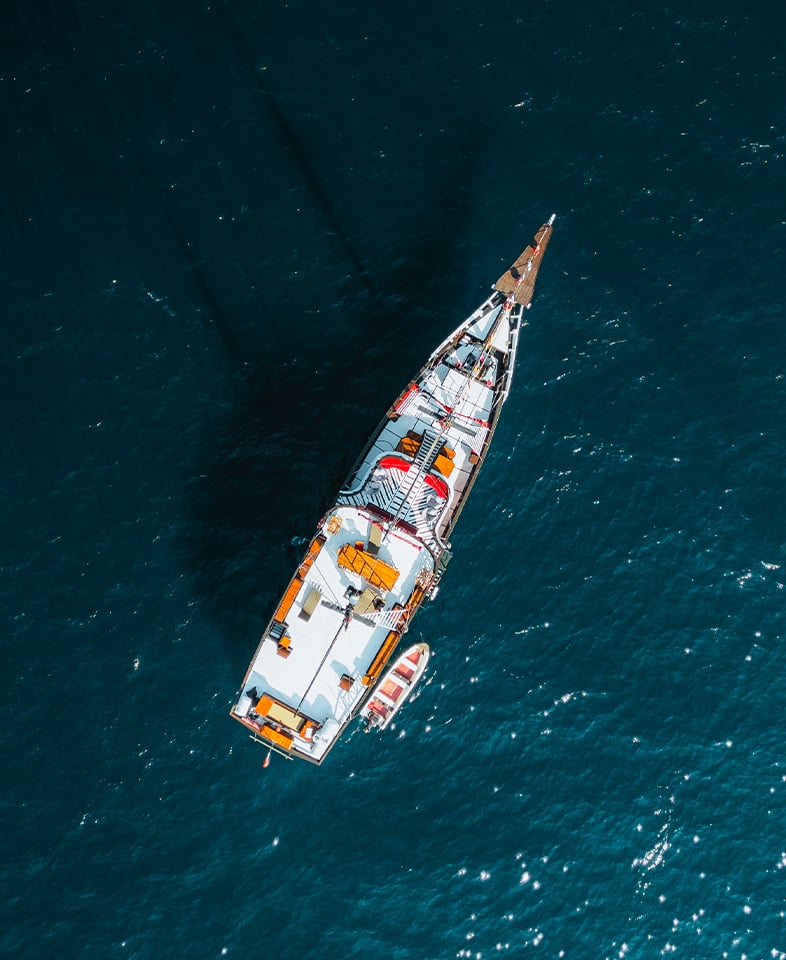
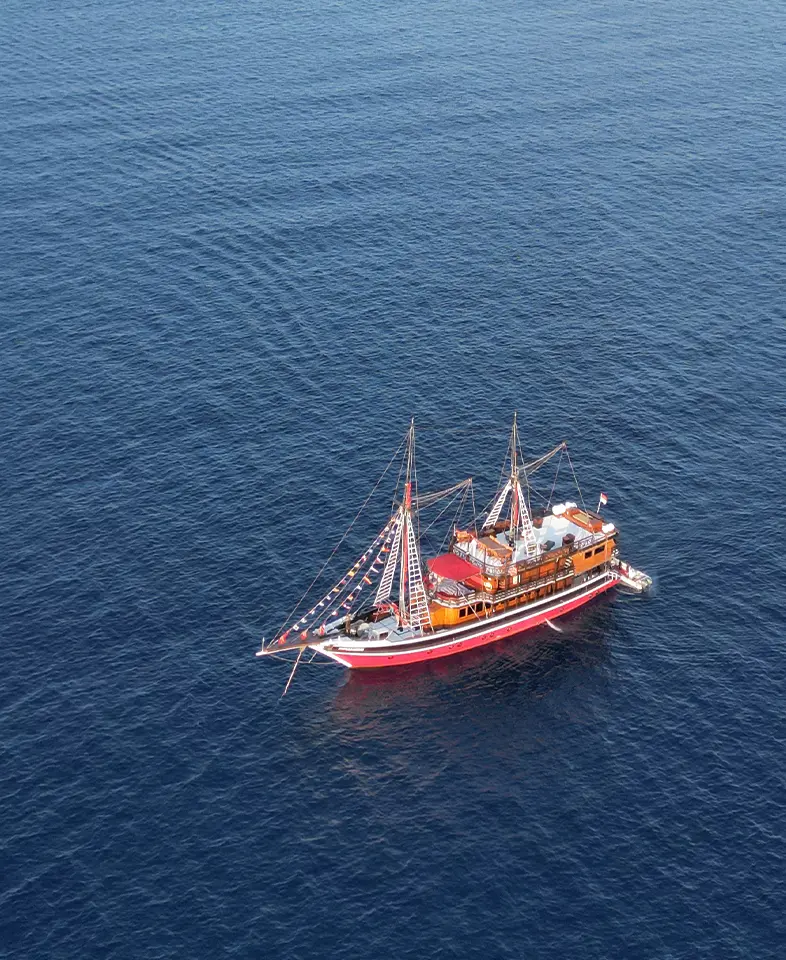
The boat

Built for Exploration.
Anchored in Tradition.

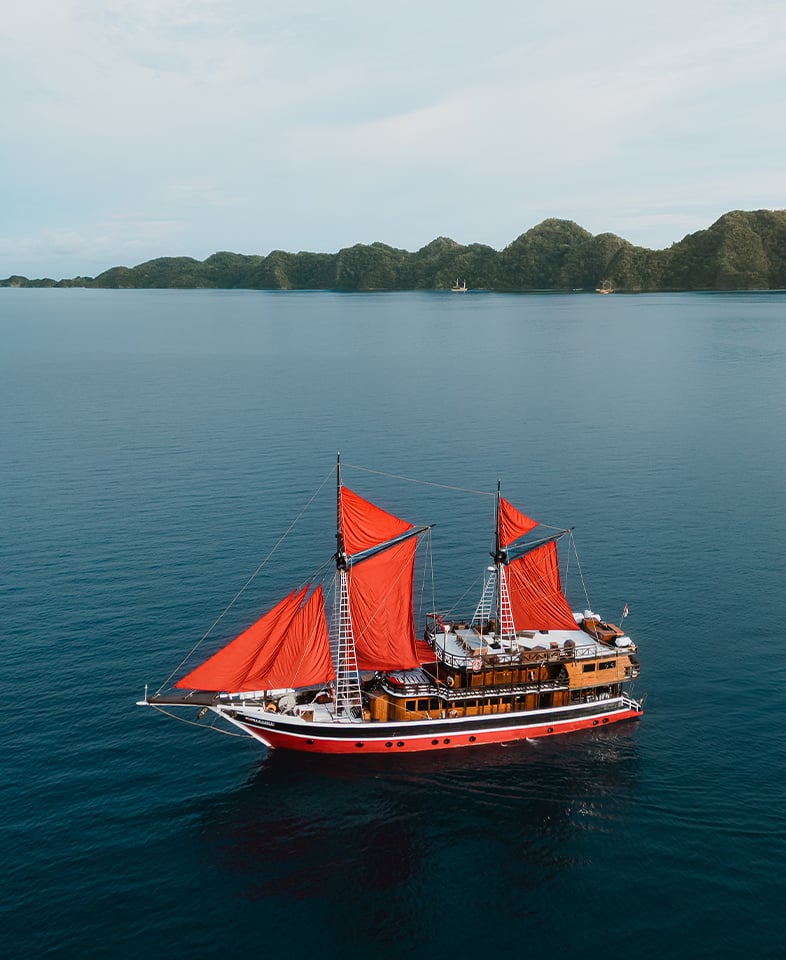
La Galigo was built in 2012 by traditional craftsmen from Bira, Southern Sulawesi. The Bugis people, influenced by Dutch Clipper sailing vessels, have been hand crafting these boats from Ironwood and Teak since the 12th century. The Phinisi is a symbol of their maritime legacy, blending history, craftsmanship, and tradition into each boat they create.

Destinations

BEST OF INDONESIA
IN 6 TO 12 DAYS

From the legendary Komodo National Park to the vibrant marine ecosystems of Lembeh and the unparalleled biodiversity of Raja Ampat, the choice is yours!

Komodo
National Park

Itineraries: From 6 to 8 Days

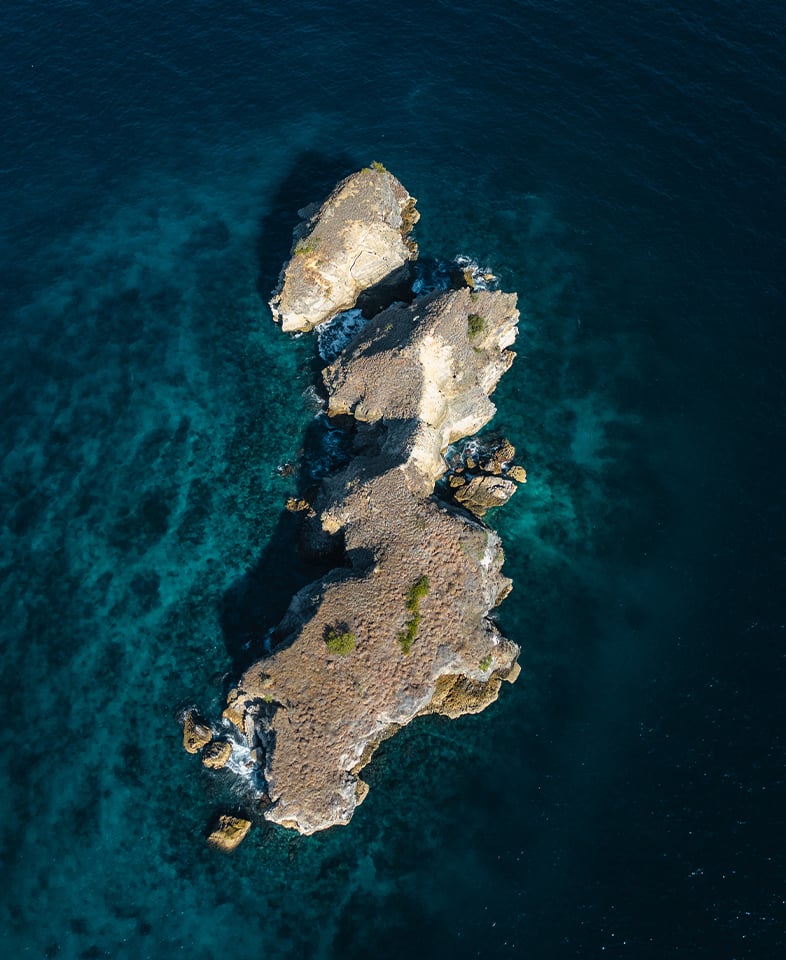
Komodo National Park is an unforgettable combination of bright coral reefs, abundant marine life, and the legendary Komodo dragon.

Raja Ampat

Itineraries: From 7 to 12 Days

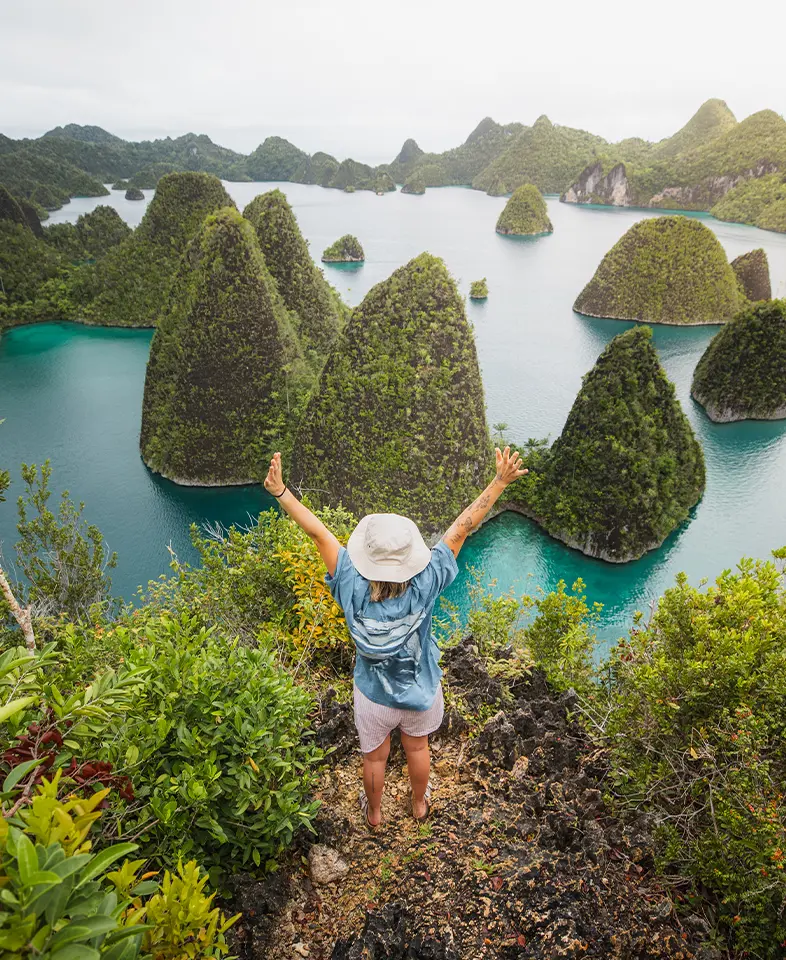
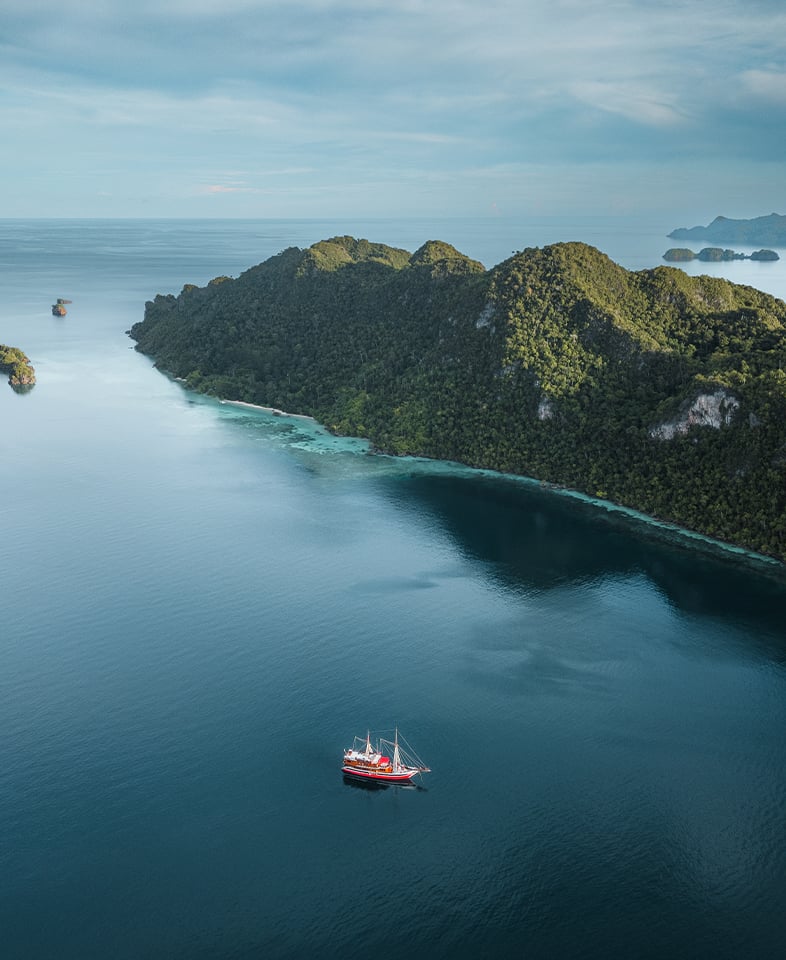
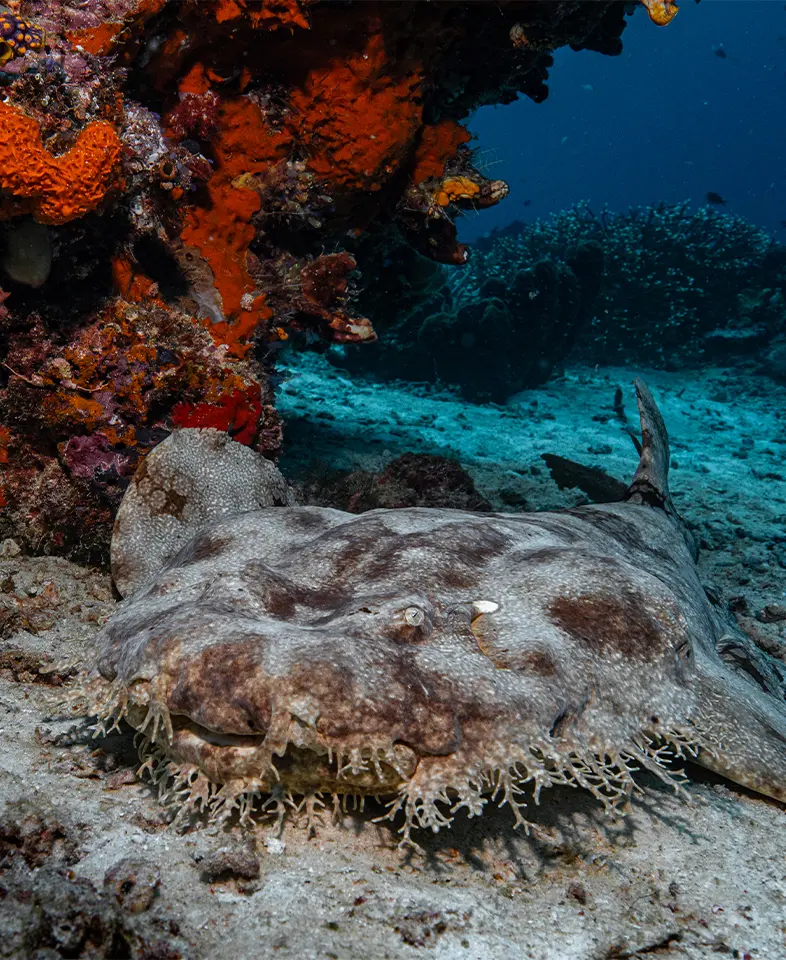
Raja Ampat, known as the crown jewel of marine biodiversity, is home to the planet’s most diverse underwater ecosystems.

Reviews

our divers
sharing their smiles

Read what our divers are saying about our boat & crew. You’ll get to know why La Galigo is the best Liveaboard in Indonesia!

book direct,
get exclusive benefits

liveaboard diving - FREE-DIVE-INSURANCE

free scuba insurance

Who doesn’t like a freebie? When you book with us direct, we are happy to offer you a free diving insurance policy which includes medical evacuation for the duration of your trip.

liveaboard diving - BEST-PRICE-GUARANTEE

best price guarantee UP TO 20% OFF

You will not find our published prices cheaper anywhere else, and after you deal with us as a direct guest of La Galigo, we can offer you further discounts on hotel bookings and for future trips.

liveaboard diving - GUARANTED-DEPARTURE

guaranteed departures

All of our scheduled trips are guaranteed to depart regardless of how many confirmed bookings there are, so you can book in confidence with us knowing that if you are the only person on the boat…you will still go diving!

liveaboard diving - LOGISTIC-ASSISTANCE

free travel booking assistance

Need help with local flights and hotels? When you book with us direct, we will help you booking Indonesian domestic flights and hotels, giving you peace of mind that you’ll arrive with time to spare for your trip or your flight home. So it's a great choice to book direct!

Frequently Asked Questions

What is the difference between scuba diving and snorkelling?

Scuba diving uses a tank and regulator, allowing you to breathe underwater and stay submerged for extended periods.
Snorkelling is done at the surface using a snorkel tube, allowing you to breathe while floating face-down.


How deep can you dive with recreational certification?

  • Open Water – up to 18 metres (60 feet)
  • Advanced Open Water – up to 30 metres (100 feet)
  • Deep Diver specialty – up to 40 metres (130 feet)

How long should you wait to fly after scuba diving?

  • At least 12 hours after a single no-decompression dive
  • 18–24 hours after multiple or repetitive dives

What is a no-decompression limit (NDL)?

The NDL is the maximum time a diver can stay at a given depth and ascend directly to the surface without required decompression stops.


What happens if you ascend too fast or skip decompression?

Nitrogen bubbles can form in the body, leading to decompression sickness (DCS). Symptoms may include joint pain, dizziness, and in severe cases, serious injury.


What is the primary benefit of Nitrox?

Nitrox reduces nitrogen absorption, allowing longer bottom times and safer repetitive dives when used correctly.


Why is helium used in deep diving?

Helium reduces nitrogen narcosis and breathing resistance at depth. It is used in gas mixes like Trimix for technical diving.


How do you equalise your ears while diving?

You can equalise by:

  • Pinching your nose and gently blowing (Valsalva)
  • Swallowing
  • Moving your jaw
  • Simulating a yawn

These actions open the Eustachian tubes to balance pressure.


What should you do if you cannot equalise?

Stop descending, ascend slightly, and try again gently.
If it still does not work, end the dive.


How do you know you are properly weighted?

At the surface with an empty BCD, you should float at eye level and slowly sink when exhaling.
Underwater, you should be able to hover comfortably without effort.


What is the best breathing pattern while diving?

Breathe slowly, deeply, and continuously.
Never hold your breath.


What do the first and second stage regulators do?

  • First stage – reduces tank pressure to intermediate pressure
  • Second stage – delivers air at ambient pressure for breathing

Why should you not turn off your dive computer between dives?

Because it tracks residual nitrogen in your body. Turning it off resets this data and can lead to unsafe dive planning.


What should you do if you surface away from the boat?

Stay calm, stay with your buddy, inflate your BCD, and signal the boat for pickup.


What is the most common deep-water entry?

The giant stride entry.


Why are underwater photos blue or green?

Water absorbs red and warm colours first, leaving mostly blue and green light at depth.


When is the best time to dive Raja Ampat?

Generally October to April, when conditions are often calmer in many areas.


How do you get to Raja Ampat?

Fly to Sorong (Indonesia), then continue by boat or ferry to your destination.


How long can whales hold their breath?

Most whales can hold their breath for 20–60 minutes.
Species like sperm whales can exceed 60 minutes, and some deep-diving species can stay underwater for over 2 hours.


Do whales need to come up for air?

Yes. Whales are mammals and must breathe air at the surface.


How many teeth do sharks have?

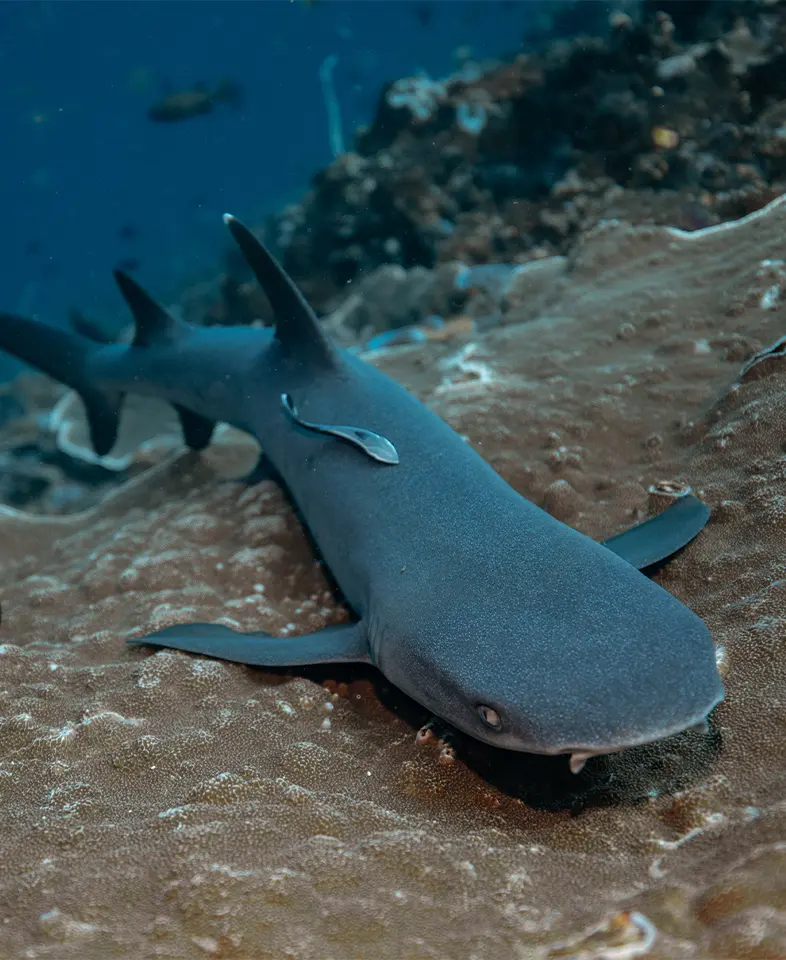
Sharks have multiple rows of teeth and can have thousands over their lifetime, constantly replacing them.


Do fish sleep?

Fish do rest, but not like humans. Most do not close their eyes because they lack eyelids.


What plants live in the ocean?

Common marine plants include:

  • Seagrass
  • Mangroves
  • Seaweed
  • Phytoplankton

Why are coral reefs important?

Coral reefs:

  • Support marine biodiversity
  • Protect coastlines
  • Provide food and economic benefits

What are the three types of symbiotic relationships?

  • Mutualism – both benefit
  • Commensalism – one benefits, the other is unaffected
  • Parasitism – one benefits at the expense of the other

What habitat do Komodo dragons live in?

They live in dry tropical savanna, scrubland, and forest-edge environments on Indonesian islands.


What should you do if you meet a Komodo dragon?

Stay calm, keep your distance, do not run, and follow ranger guidance.


How many calories do you burn scuba diving?

Typically 300–600 calories per hour, depending on conditions and effort.

Your Dream Diving Trip
is One Click Away

Scuba diving, Snorkeling or just leisure? We got you. 
Contact us today to turn your dream into reality. Let’s go!