
Indonesia is home to some of the most spectacular diving on Earth. From the biodiversity of Raja Ampat to the thrilling currents of Komodo National Park and the vast blue water expeditions in the Banda Sea, you are stepping into one of the richest marine environments on the planet.
When you plan a dive trip to Indonesia, you probably focus on marine life, visibility, and camera gear. But your health preparation is just as important as your dive computer.
Many of Indonesia’s best dive sites are remote. You will be far from major hospitals and urban infrastructure. Add repetitive diving, tropical heat, travel fatigue, and strong currents, and your body needs to be ready for the experience.
This checklist helps you prepare properly so you can dive safely, comfortably, and confidently.
1. Understand the Diving Conditions You’re Preparing For
Before you pack your bags, take a moment to understand what makes diving in Indonesia unique.
Warm Water Requires Smart Hydration
Indonesia’s waters are warm year-round. That makes diving comfortable, but it also increases dehydration risk, especially when you are:
- Diving three to four times per day
- Spending time in direct tropical sun
- Travelling long distances before boarding
Even mild dehydration can affect your energy, concentration, and decompression efficiency. Start your trip hydrated, and maintain that habit throughout your liveaboard.
Currents Can Be Part of the Adventure
World-class dive sites are often located in nutrient-rich current systems. In places like Komodo and Raja Ampat, currents are part of what makes diving so dynamic.
That means your body may work harder during:
- Negative entries
- Surface swims
- Reef hook positioning
- Drift dives
You do not need to be an athlete, but being physically prepared makes every dive more enjoyable.
Remote Diving Requires Responsibility
Outside major cities such as Jakarta, Bali, or Manado, medical facilities can be limited.
Evacuation in remote regions may involve boats and aircraft, depending on location and weather. This is why health preparation is not about worry. It is about smart dive planning.
Read Also: The Importance of The Medical Questionnaire When Diving
2. Schedule a Pre-Trip Medical Check if Needed
If you have any underlying health conditions, it is wise to consult a physician before travelling.
Pay special attention to:
Ears and Sinuses
Equalisation issues are one of the most common reasons dives are cut short. Even mild allergies or congestion can make descents uncomfortable.
Lung Health
If you have a history of asthma, smoking, or recent respiratory infection, ensure your lungs are fully recovered before diving.
Cardiovascular Fitness
Currents and repetitive diving increase workload. Your heart and circulation should be ready for moderate sustained activity.
If possible, consult a doctor familiar with dive medicine. A quick check before departure gives you peace of mind.
3. Review and Pack Your Medications Carefully
In remote areas, you should not rely on sourcing medication locally. Bring everything you may need.
Recommended to Pack
- All prescription medications in original packaging
- Non-drowsy seasickness medication
- Non-sedating antihistamines
- Basic wound care supplies
Use Caution With
- Sedating medications
- Excessive decongestant use
- Alcohol (increases the risk of dehydration and impairs judgment).
Anything that affects alertness or reaction time deserves careful consideration before diving.
4. Prepare for Repetitive Diving
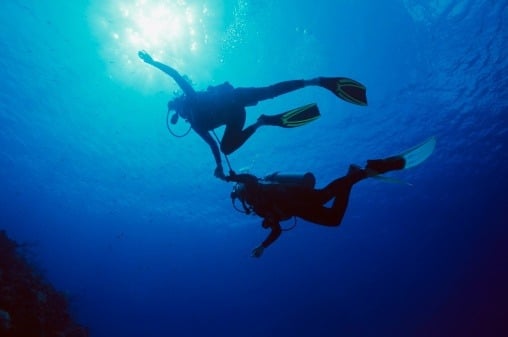
A typical Indonesian liveaboard itinerary includes multiple dives per day over several consecutive days.
You should feel comfortable:
- Carrying and setting up your equipment
- Managing mild to moderate currents
- Performing controlled descents and ascents
- Recovering well between dives
If you have been inactive, start light conditioning several weeks before departure. Walking, swimming, and basic strength exercises make a noticeable difference in your stamina and enjoyment.
5. Manage Fatigue During Your Liveaboard
Excitement can tempt you to dive into every single opportunity. But smart divers know when to pace themselves.
You can:
- Skip a dive if you feel unwell or overly tired
- Prioritise quality sleep
- Eat properly between dives
- Stay consistent with hydration
There is no reward for completing the most dives. The goal is to enjoy every dive at your best.
6. Start Hydration and Recovery Before You Travel
Hydration is one of the most important factors in safe repetitive diving.
In tropical climates, your fluid needs increase significantly. A few days before departure:
- Increase water intake
- Reduce excessive caffeine
- Limit alcohol
- Focus on proper sleep
Arriving rested and hydrated sets the tone for the entire trip.
7. Secure Proper Dive Insurance
Standard travel insurance policies often exclude scuba diving or limit depth coverage.
Before departure, confirm:
- Recreational scuba diving is covered
- Emergency evacuation is included
- Remote destinations are not excluded
Medical evacuation in remote regions of Indonesia can require complex coordination. Proper coverage ensures smooth handling should support be needed.
At La Galigo Liveaboard, when you book directly with us, you receive complimentary scuba diving insurance that includes medical coverage and evacuation during your trip. As a dedicated Indonesian liveaboard operator, we consider this part of responsible operations, not an optional add-on.
9. Choose a Professional Liveaboard That Supports Your Well-being
A professionally operated liveaboard does more than organise dive schedules.
When you join La Galigo, you benefit from:
Structured Daily Rhythm
Consistent dive intervals, meal times, and rest periods support better recovery.
Continuous Monitoring
Our crew and dive guides see you every day. Subtle signs of fatigue or discomfort are easier to recognise and address early.
Built-In Hydration and Nutrition
Fresh drinking water is always available, and meals are scheduled thoughtfully between dives.
Safety Focused Dive Planning
Dive plans are adjusted based on guest condition and environmental factors.
As an experienced Indonesian liveaboard operator working in remote regions, La Galigo integrates hospitality, operational discipline, and emergency preparedness into every itinerary. That structure allows you to focus on diving with confidence.
Your Final Health Checklist Before Departure
Before leaving home, confirm:
- Your personal medications are packed
- Your dive insurance is active
- You are physically prepared for repetitive diving
- You are well rested and hydrated
- You understand the remote nature of your destination
- You feel mentally ready and self aware
Preparation transforms a good dive trip into an exceptional one.
Final Thoughts
Indonesia offers some of the most breathtaking diving in the world. When your body is prepared, your mind is calm, and your operator prioritises safety, you can fully immerse yourself in the experience.
The best dives are not only the most beautiful.
They are the ones you enjoy safely and remember for a lifetime.
Frequently Asked Questions
1. Do I need a medical check before diving in Indonesia?
Not everyone needs a full medical exam. However, if you have asthma, heart conditions, high blood pressure, a recent respiratory infection, or a history of ear or sinus problems, it is strongly recommended to consult a physician before travelling.
Remote regions such as Raja Ampat, Komodo National Park, and the Banda Sea are far from major hospitals, so prevention is always better than reaction.
2. Is diving in Indonesia physically demanding?
It depends on the location and conditions. Many sites feature mild, enjoyable drift dives, but some areas have stronger currents that require moderate physical effort.
You do not need to be an athlete. However, basic cardiovascular fitness and comfort in the water will significantly improve your enjoyment and safety.
3. How important is hydration during a liveaboard trip?
Hydration is extremely important, especially in tropical climates. Warm water, sun exposure, and repetitive diving increase fluid loss. Even mild dehydration can affect concentration and decompression efficiency.
Start hydrating several days before departure and maintain consistent water intake throughout your trip.
4. What medications should I bring on a remote dive trip?
Always bring:
- Prescription medications in original packaging
- Non-drowsy seasickness medication
- Non-sedating antihistamines
- Basic first aid supplies
Do not rely on finding specific medications in remote areas. Availability can be limited outside major cities like Jakarta or Bali.
5. Can I dive if I recently had a cold or respiratory infection?
You should avoid diving until you have fully recovered. Congestion can cause equalisation problems, and diving with compromised lungs increases risk.
If in doubt, delay your diving plans and consult a doctor familiar with dive medicine.
6. How do I prepare for repetitive diving?
Most Indonesian liveaboards offer three to four dives per day over several consecutive days. To prepare:
- Improve basic stamina (walking, swimming, light strength training)
- Practice buoyancy control if you have not dived recently
- Ensure you are well rested before departure
Arriving physically prepared makes the entire trip more comfortable and enjoyable.
7. Is dive insurance mandatory for Indonesia?
While not legally mandatory everywhere, dive insurance is strongly recommended. Standard travel insurance often excludes scuba diving or limits depth coverage.
Make sure your policy includes:
- Recreational scuba diving
- Emergency evacuation
- Coverage in remote destinations
In isolated areas like Raja Ampat or Komodo National Park, evacuation may require coordinated boat and aircraft transport.
8. What should I do if I feel tired during a liveaboard trip?
Listen to your body. It is perfectly acceptable to skip a dive if you feel fatigued or unwell. Prioritise sleep, nutrition, and hydration.
There is no benefit in completing every scheduled dive if it compromises your well-being.
9. Are liveaboards prepared for medical emergencies?
Professional liveaboards operating in remote Indonesia are equipped with emergency oxygen, first aid equipment, and trained crew.
However, due to the remote nature of many dive destinations, evacuation can take time. This is why personal preparation and proper insurance remain essential components of dive planning.
10. How can I reduce the risk of seasickness?
To minimise seasickness:
- Take non-drowsy medication before symptoms start
- Stay hydrated
- Avoid heavy meals before rough crossings
- Spend time on deck looking at the horizon
If you are prone to motion sickness, prepare proactively rather than reactively.
11. Is Indonesia suitable for beginner divers?
Yes, depending on the region and itinerary. Some areas offer calm reefs ideal for newer divers, while others are better suited to intermediate to advanced divers.
Before booking, discuss your certification level and comfort in currents with your operator to ensure the itinerary matches your experience.