
When planning a liveaboard diving trip, most people focus on the key factors: dive sites, current conditions, marine species, and vessel quality. Power supply, charging, and adapters are often treated as minor details, something assumed to be available and not worth much thought.
In reality, it is precisely these small details that tend to become frustrating at sea if they are not properly prepared. Camera batteries run out on the second day. Dive computers are not fully charged. The plug does not match the adapter you brought. Or the power is turned off for several hours while the boat is sailing.
This article is designed to help you understand how electrical systems work on liveaboards, what realistic expectations are, and when to bring additional adapters without overpacking. With the right information, onboard power management can be kept under control.
How Power Works on a Liveaboard
Unlike hotels or land-based resorts, liveaboards are not connected to a permanent electrical grid. The following sources generally supply power on board:
Ship generators
These are the primary power sources while the vessel is at sea. Generators supply electricity to:
- Cabins
- Common areas
- Galley
- Navigation systems
- Guest charging stations
Generators usually operate on a schedule to ensure fuel efficiency and system safety.
Shore power
When the vessel is docked in port, some liveaboards can connect to land-based electricity. In these situations:
- Power is usually more stable
- Wattage limits may be more flexible.
However, this typically applies only before or after the trip, not during exploration at dive locations.
Backup generators or reserve systems
Professional vessels generally have backup systems to ensure that critical operations continue in the event of a power issue.
It is important to understand that safety and operational systems are always the top priority for onboard power usage.
When Electricity Is Available
Electricity on a liveaboard is not always available 24 hours a day, unlike on land. Typical patterns include:
Daytime to evening
During active periods such as diving, meals, and briefings, generators are usually running, and electricity is available.
During long sailing periods
In certain situations, electricity use may be limited to reduce system load.
Late night to early morning
Some vessels shut down or reduce generator output while guests are sleeping, with essential systems remaining active.
This is not a sign of poor service. It is a normal aspect of energy management at sea.
Common Power Outlets Found on Liveaboards
Most Frequently Used Plug Types
The type of power outlets on a liveaboard depends on several factors:
- Original vessel design
- Country of construction
- Renovation history
That said, the most commonly encountered plug types on liveaboards are:
- Type C (Euro plug), two round pins
- Type F, a European variant with grounding
- Universal sockets that accept multiple plug types
Even so, “universal” does not always mean fully compatible, especially with large or bulky chargers.
Outlet Types Can Differ Between Boats
Two liveaboards operating in the same region may have different outlet types because:
- They were built in different countries
- The original electrical system has been retained.
- Renovations were partial rather than comprehensive.
- Adjustments were made gradually based on guest needs.
For this reason, it is not safe to assume that adapters used on one vessel will work on another, even within the same operator.
Do You Need to Bring Your Own Adapter?
Situations Where Adapters Are Usually Provided
On professionally managed liveaboards, adapters are often available when:
- The number of guest devices is reasonable
- Chargers are standard, such as for phones or small cameras.
- Usage is shared among guests.
These adapters are provided as a supporting facility, not as a personal guarantee.
Situations Where You Should Bring a Backup Adapter
You are strongly advised to bring your own adapter if you:
- Carry an underwater camera with housing
- Use multiple battery chargers.
- Bring a laptop, tablet, and phone.
- Require fast charging or stable power.
- Use a large or bulky charger
Underwater photographers and videographers almost always bring their own adapters as part of proper preparation.
Charging Cameras, Dive Computers, and Personal Devices
Camera and Underwater Housing Charging Considerations
Camera equipment has specific characteristics:
- Large chargers
- Higher power consumption
- Sensitivity to electrical fluctuations
Important tips:
- Use a personal power strip if permitted
- Avoid plugging in too many devices at once
- Charge batteries sequentially rather than simultaneously
Read Also: The Best Underwater Cameras for 2025: Gear Up, Dive In & Capture Magic
Dive Computers, Lights, and Batteries
These devices generally:
- Require low power
- Charge relatively quickly
- They are safe to use with their original chargers.
However, they are often numerous. Make sure to:
- Label your chargers
- Avoid leaving devices charging unattended for long periods.
- Use the charging areas designated by the crew.
Phones, Tablets, and Laptops
Personal devices are generally safe, but:
- Fast chargers can draw higher power
- Older laptops may take longer to charge.
Practical advice:
- Charge laptops when fewer devices are connected
- Use power-saving modes
- Download offline content before the trip
Power Limits and Safety On Board
Power Capacity Is Limited at Sea
Ship generators have limits in terms of:
- Maximum capacity
- Safe load levels
- Gradual power distribution
Overloading does not just cut the power. It can damage the vessel’s systems. For this reason, restrictions on device usage are a matter of collective safety.
Devices That Are Usually Not Allowed
Most liveaboards prohibit the use of:
- Hair dryers
- Hair straighteners
- Electric kettles
- Rice cookers
- High-wattage heating devices
These items carry a high risk of overloading the electrical system.
Tips to Avoid Charging Problems During Your Trip
What to Check Before You Board
Before departure:
- Ask what types of outlets are available
- Ask about electricity availability schedules.
- Confirm whether personal power strips are allowed.
This information is often available, but rarely requested.
Smart Packing Tips for Power and Adapters
Bring:
- One high-quality universal adapter
- One backup adapter
- Original chargers, avoid low-quality copies.
- Short, tidy cables
Avoid:
- Cheap adapters without proper standards
- Loose or unstable connections
Simple Habits That Keep Your Devices Safe
- Unplug chargers once devices are fully charged.
- Do not charge devices in wet areas.
- Protect equipment from sea spray.
- Use a small dry bag
These small habits often determine whether your devices last until the end of the trip.
What to Expect on a Well-Prepared Liveaboard
A well-managed liveaboard typically:
- Provides a dedicated, organised charging area
- Manages electrical load carefully to prevent overload
- Delivers clear briefings on power usage at the start of the trip
- Anticipates guest needs with realistic usage patterns
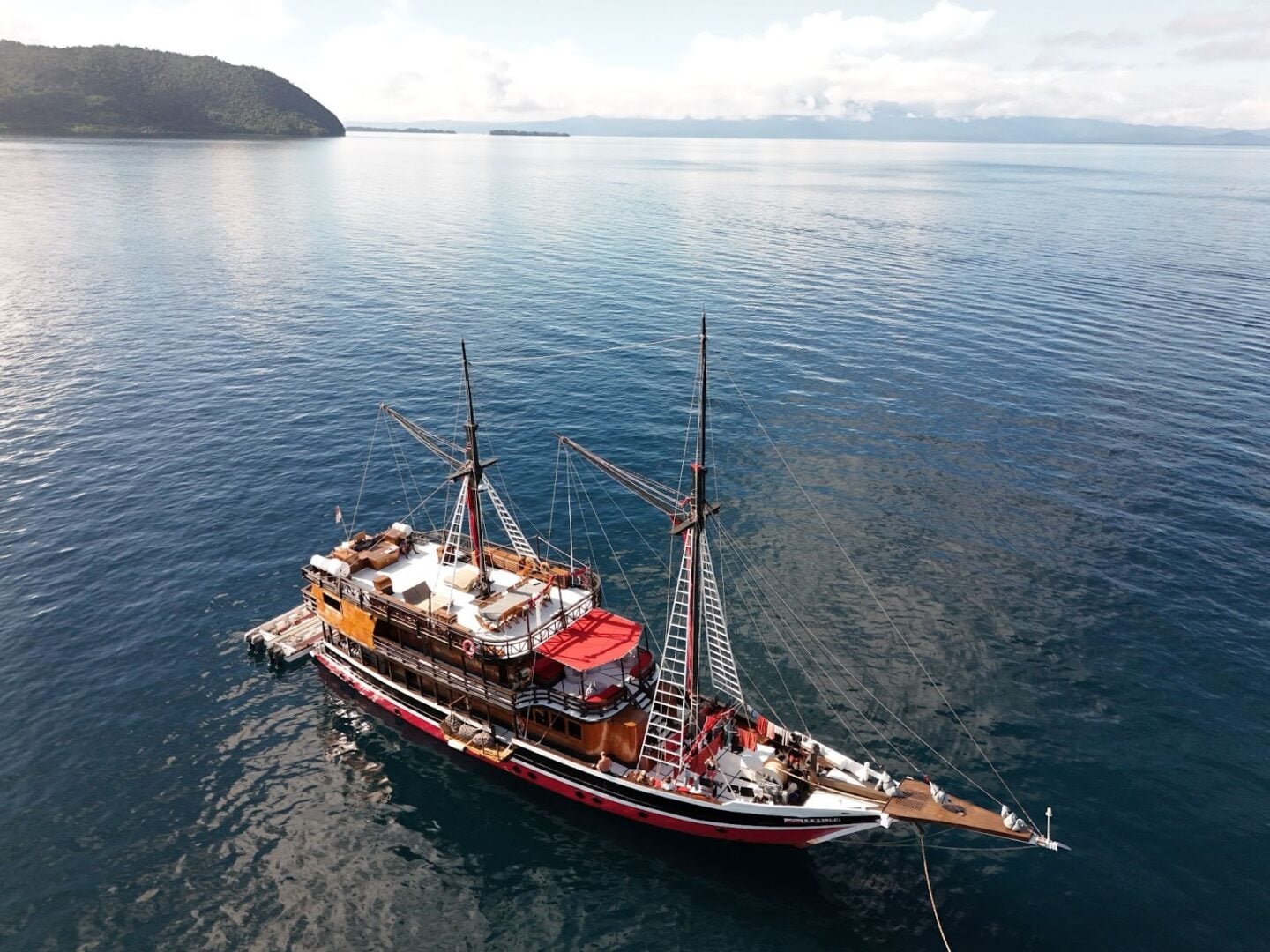
On experienced vessels such as La Galigo Liveaboard, the electrical system is designed to support modern diver requirements, from personal devices to underwater cameras, without compromising vessel stability or safety. Charging areas are clearly arranged, and the crew are trained to assist guests in using electrical facilities safely throughout the journey.
That said, no vessel can guarantee that every outlet will match every device. Guest preparedness remains part of a well-managed experience.
Final Thoughts
Liveaboard diving is ultimately about enjoying the ocean, not struggling with flat batteries halfway through a trip. With realistic expectations and simple adapter preparation, power and charging issues are usually manageable and need not be a concern.
Arriving with the right understanding means:
- Greater confidence when using onboard facilities
- More independence in managing personal devices
- Better focus on enjoying each dive without technical distractions
If you are considering a liveaboard option and are looking for a vessel designed for long-range trips with a relaxed and welcoming atmosphere, La Galigo Liveaboard is a strong option to consider. The vessel offers spacious cabins, an intelligent layout, and warm hospitality, allowing you to focus on exploration and diving experiences rather than onboard logistics.
Frequently Asked Questions
Is electricity available on a liveaboard 24 hours a day?
Not always. On most liveaboards, electricity follows the generator operating schedule. Power is generally available throughout the day and evening, but at certain times, particularly late at night or during long sailing periods, power may be limited. This is standard practice to ensure efficiency and system safety.
Do I need to bring my own adapter?
Yes, it is strongly recommended. While many liveaboards provide adapters, the quantity and types are limited. Bringing your own, especially a universal adapter, offers flexibility and reduces reliance on shared facilities.
What type of plug is most common on liveaboards?
European-style plugs, Type C or Type F, are the most commonly found. However, outlet types can vary depending on vessel design, age, and country of construction. A universal adapter remains the safest option.
Can I bring my own power strip?
On many liveaboards, personal power strips are allowed, provided they are high-quality and not used with high-wattage devices. It is best to confirm this with the operator before the trip.
Is it safe to charge camera batteries and underwater equipment on board?
Yes, as long as you follow crew guidance and use designated charging areas. It is recommended to charge batteries gradually, avoid leaving them unattended for extended periods, and avoid low-quality adapters or chargers.
Are fast chargers safe to use on a liveaboard?
Fast chargers are generally safe, but should be used sensibly. Avoid plugging multiple fast-charging devices into the same outlet at the same time, as this can increase the electrical load. If in doubt, use standard charging modes.
Which devices are usually not allowed on liveaboards?
Most liveaboards prohibit high-power devices such as hair dryers, hair straighteners, electric kettles, and other electric heating appliances. These restrictions are in place to maintain safety and system stability.
Can I charge my laptop every day?
Yes, but it is best to do so during periods of stable power and not when many other devices are connected. Using power-saving modes and unplugging once fully charged is recommended.
What if my adapter does not fit the onboard outlets?
This is why bringing a backup adapter is strongly recommended. On professionally managed vessels, the crew will usually try to help, but there may not always be an immediate solution for every charger type.
Do all liveaboards have the same electrical system?
No. Each vessel has its own electrical configuration. Experienced operators, such as La Galigo Liveaboard, typically anticipate modern guest needs, but personal preparation remains essential for a smooth experience.
What is the single most important thing to prepare regarding power before the trip?
Understand that a liveaboard is not a land-based hotel. By bringing the right adapter, using electricity responsibly, and following crew guidance, power management usually runs smoothly without affecting your diving experience.