
Ear barotrauma is a condition that occurs when there is a difference in pressure between the inside and outside of the eardrum, resulting in discomfort or pain. Understanding how to prevent and manage ear barotrauma is essential for individuals who engage in at-risk activities regularly. This article will explore the fundamentals of ear barotrauma, including its causes, symptoms, and effective prevention and treatment methods.
What is Ear Barotrauma?
Ear barotrauma, also known as ear pressure injury, occurs when there is a blockage of the Eustachian tube, leading to an imbalance in pressure between the middle ear and the air outside the body. This condition can cause discomfort, pain, and in some cases, hearing loss. It is important for individuals to be aware of the factors that can contribute to this condition and the methods to prevent it during activities that involve changes in air pressure. Understanding the symptoms and early signs of ear barotrauma is crucial for prompt intervention and treatment.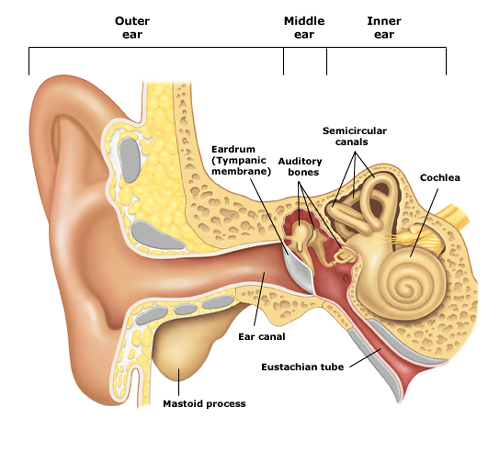
(Source: Tampa Bay Hearing, Ear Solutions and Education.)
The Outer Ear
When it comes to diving, the importance of the medical questionnaire cannot be overstated. The outer ear can be affected by pressure changes in certain situations, particularly if water or air becomes trapped in the ear canal due to blockages such as earwax or tight-fitting equipment. It is crucial to thoroughly assess any pre-existing conditions that may affect the ears, such as ear infections or perforated eardrums, before engaging in diving activities. Furthermore, seeking medical clearance from a healthcare professional is imperative to ensure the safety of the individual and to prevent any potential ear-related complications.
The Middle Ear
The middle ear is an air-filled space located behind the eardrum. It contains three small bones that vibrate in response to sound waves, transmitting sound signals to the inner ear. The Eustachian tube, which connects the middle ear to the back of the nose and upper throat, plays a crucial role in equalising the air pressure on both sides of the eardrum. Proper functioning of the Eustachian tube is essential to prevent the build-up of pressure imbalances that can lead to ear barotrauma.
ALSO READ : The Importance of The Medical Questionnaire When Diving
The Inner Ear
The inner ear is also at risk during diving due to the significant pressure changes. It is essential to consider any history of vestibular disorders or inner ear diseases that could be exacerbated by diving. Additionally, individuals with a history of motion sickness or vertigo may be more susceptible to experiencing dizziness or disorientation underwater. Therefore, a comprehensive medical questionnaire should address these concerns to identify any potential risks and ensure the diver’s safety.
Causes of Ear Barotrauma
The most common causes of ear barotrauma include rapid pressure changes and inadequate equalisation during altitude changes, such as during aeroplane takeoff and landing, scuba diving, or driving up steep mountains. These activities can lead to differences in air pressure, which can affect the Eustachian tube’s ability to equalise the pressure in the middle ear. Additionally, pre-existing conditions such as allergies, sinus infections, or colds can contribute to Eustachian tube dysfunction, making individuals more susceptible to ear barotrauma.
Understanding the specific activities and conditions that can exacerbate ear barotrauma is vital for individuals who engage in these activities. Proper knowledge and preparation can significantly reduce the risk of developing ear barotrauma and its associated symptoms.
To effectively prevent and manage ear barotrauma, individuals should be aware of the symptoms and early signs, as well as the best practices for equalising ear pressure during activities that involve changes in air pressure. Early intervention and proper techniques for equalising ear pressure can mitigate the risk of developing ear barotrauma and its related complications.
ALSO READ: Scuba Diving Fear: Identification, Knowledge and How to Overcome Fear
Types of Ear Barotrauma
There are three main types of ear barotrauma that are commonly encountered:
- External Ear Barotrauma: This type of barotrauma primarily affects the outer ear and is often caused when pressure becomes trapped in the ear canal.
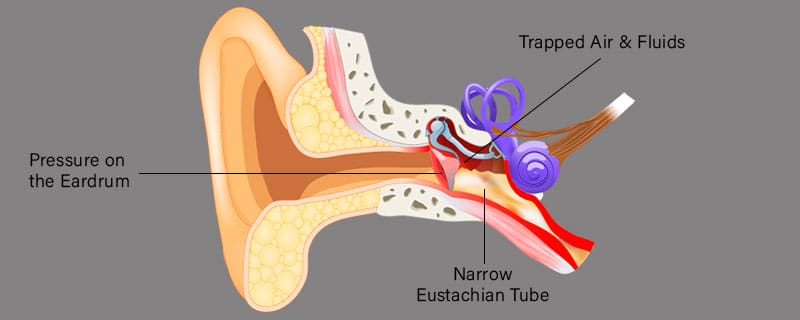
- Middle Ear Barotrauma: Middle ear barotrauma occurs when the air pressure in the middle ear is not equalised with the surrounding environment, leading to discomfort, pain, and potential damage to the eardrum.
- Inner Ear Barotrauma: Inner ear barotrauma affects the innermost part of the ear and can cause symptoms such as dizziness, vertigo, and hearing loss due to severe pressure imbalances, often associated with forceful equalisation attempts, impacting the delicate structures of the inner ear.
Each type of ear barotrauma requires specific interventions and management to alleviate symptoms and prevent potential long-term complications. Understanding the differences between these types of barotrauma is crucial for appropriate diagnosis and treatment.
(Source: Lanarkshire Hearing Centre. Airplane Ear [Ear Barotrauma])
Avoiding Ear Barotrauma
To avoid ear barotrauma, it is important to take precautions during activities that involve changes in air or water pressure. For instance, when flying in an aeroplane or diving underwater, equalising the pressure in the ears by swallowing, yawning, or using specialised earplugs (Not recommended for diving) can help prevent barotrauma. It’s also essential to seek medical advice if you have a cold, sinus infection, or allergies before engaging in activities that may involve pressure changes, as these conditions can affect the body’s ability to equalise ear pressure.
Additionally, for individuals prone to ear barotrauma, such as frequent flyers or scuba divers, consulting with an ear, nose, and throat specialist can provide personalised strategies to minimise the risk of barotrauma during specific activities. Taking these preventive measures can significantly reduce the likelihood of experiencing ear barotrauma and its associated discomfort and complications.
Read Also: Ear Equalisation Basics for Divers: Why and How?
How Divers Can Prevent Ear Barotrauma
The good news is that ear barotrauma is almost always preventable. Most cases occur not because of serious medical conditions, but due to descending too quickly or delaying equalisation. With proper technique and a calm approach, the risk can be reduced significantly.
Here are practical steps every diver should understand:
1. Equalise Early and Often
Do not wait until you feel pain. Begin equalising:
Before your head enters the water
As soon as you start descending
Every few tens of centimetres during descent
The principle is simple. If you already feel pain, you are too late. Early equalisation keeps pressure balanced and prevents stress on the eardrum.
2. Descend Slowly and With Control
A slow descent gives the Eustachian tubes time to function naturally. Use:
An anchor line or descent line, if available
Stable buoyancy control
Calm breathing rhythm
There is no reason to rush your descent. The ocean is not going anywhere.
3. Never Force Equalisation
One cause of inner ear barotrauma is forcing the Valsalva manoeuvre too aggressively. If pressure does not release easily:
Stop your descent
Remain at that depth
Attempt gentle equalisation
Forcing pressure can damage the delicate structures of the inner ear.
4. Ascend Slightly if Pressure Builds
If your ear feels “locked” while descending:
Ascend 30 to 50 cm
Attempt gentle equalisation again
Resume a slow descent
A small change in depth is often enough to reopen the Eustachian tube.
5. Abort the Dive if You Cannot Equalise
Aborting a dive is not a failure. If, after several attempts, you still cannot equalise comfortably:
Stop descending
Signal your dive guide
Return safely to the surface
Forcing the dive may result in an injury that prevents you from diving for days, or even longer.
6. Do Not Dive When Congested
Flu, sinus infections, or allergies can narrow the Eustachian tubes. In such conditions:
Equalisation becomes more difficult
The risk of reverse block increases during ascent
Suppose you have a cold or feel sinus pressure, rest. Missing one dive is far better than sustaining an ear injury.
7. Avoid Decongestants as a “Quick Fix”
Relying on decongestants before diving can be risky. The problem is that:
The medication may wear off while you are still at depth
This can cause a reverse block during ascent
What Is Reverse Block?
Reverse block occurs when air in the middle ear cannot escape during ascent. Symptoms may include:
Pressure during ascent
Increasing pain while ascending
Dizziness or disorientation
If this happens:
Descend slightly
Wait until the pressure decreases
Ascend slowly
With proper technique and good physical condition, a reverse block is very rare.
8. Diving on a Liveaboard
A liveaboard does not make divers immune to ear barotrauma. However, conditions are often more favourable for prevention compared with day trips.
Why?
More relaxed scheduling
Without transport time pressure, descents can be slow and controlled, which is essential for preventing ear injuries.
Multiple dives support adaptation
Frequent diving helps refine equalisation technique and makes the body more responsive over consecutive days.
More educational briefings
Divers are reminded to equalise before discomfort occurs and not to force descent. The simple principle applies: pain is too late.
A calmer environment
A relaxed body equalises more easily and reduces the risk of excessive pressure.
On La Galigo Liveaboard, we always encourage calm, unhurried descents and allow every diver to enter the water at a comfortable personal pace. Diving should begin with comfort, not pressure.
Ultimately, technique and diver discipline remain the primary factors. However, the right environment can make a significant difference.
Verdict
Most divers never experience serious ear barotrauma.
With:
Slow descents
Consistent equalisation
No forcing
No diving while unwell
The risk can be significantly minimised. Diving should feel comfortable from the very beginning.