
Why Choosing Between Liveaboard and Day Trips Often Confuses Serious Divers
For many divers, choosing between a liveaboard and day trips is one of the most important decisions when planning a diving trip. In the context of scuba diving, a liveaboard refers to a diving journey where divers stay on a vessel for several days, with all activities from sleeping and dining to diving centred entirely on the boat. This option is designed to maximise time at sea and provide access to dive sites located far from the mainland.
Meanwhile, day trips or daily diving refer to a diving model in which divers depart from land, complete one or two dives, and return to their accommodation on the same day. This option offers greater flexibility in managing travel pace and is often chosen by divers who combine diving with land-based activities.
On the surface, the debate may seem simple: liveaboards offer more dives and access to remote locations, while day trips provide flexibility and comfort on land. However, for serious divers, the decision is far more complex.
If you have logged dozens or even hundreds of dives, you will know that a truly rewarding dive trip is not defined by promotions or luxury alone. What matters most is how well the experience aligns with your diving goals, physical condition, travel style, and personal expectations.
For this reason, the right question is not which option is better, but rather:
Which option is right for you, at this moment?
This article helps you examine the liveaboard vs day-trip debate from a more mature, realistic, and relevant perspective for experienced divers.
What Defines a “Serious Diver” Today?
Before comparing liveaboards and day trips, it is essential to understand who qualifies as a serious diver.
A serious diver does not necessarily mean an instructor or technical diver. More than that, a serious diver is someone who approaches diving with intention and awareness.
Logged Dives, Skill Level, and Mindset
Most serious divers share the following characteristics:
- Sufficient experience, typically 50–100+ logged dives
- Comfortable with repetitive diving over multiple days
- A solid understanding of buoyancy, gas management, and dive planning
- A strong awareness of site conditions, currents, visibility, and marine life
What Serious Divers Truly Prioritise
Unlike casual diving tourists, serious divers tend to prioritise:
- Quality bottom time over luxury facilities
- Access to better dive sites with fewer crowds
- Reasonable dive schedules and adequate surface intervals
- Consistency of experience across several days
Liveaboard vs Day Trips: A Side-by-Side Comparison
In general, both liveaboards and day trips can deliver a world-class diving experience. The difference lies not in the quality of the ocean itself, but in how that experience unfolds from day to day.
Dive Frequency and Bottom Time
Liveaboards are designed to maximise time at sea. As the vessel is already positioned close to the dive sites, transit time is minimal, and dive schedules can be organised efficiently, typically three to four dives per day, including night dives when conditions allow. This rhythm creates consistency and enables divers to immerse themselves fully in the underwater experience without interruption from daily land transfers.
Day trips generally offer two dives per day, occasionally three, depending on the location. While each dive can still be excellent, the overall time spent underwater is usually more limited.
Access to Remote Dive Sites
One of the principal strengths of a liveaboard is its ability to reach dive locations that are difficult to access from shore. These areas often provide more natural conditions, lower diver pressure, and more rewarding encounters. By relocating according to the best prevailing conditions, a liveaboard offers route flexibility that shore-based operations cannot easily match.
Day trips are effective in destinations where access is straightforward and distances between sites are short, particularly when high-quality diving is available close to land.
Daily Schedule and Surface Intervals
Liveaboards operate within an integrated rhythm: dive, eat, rest, and repeat. All activities take place within the same environment, meaning divers do not need to consider daily transportation or location changes. Surface intervals are spent onboard, with facilities designed to support recovery before the next dive.
Day trips offer the freedom to return to land after diving, which, for some, provides a greater sense of flexibility and variation in daily activities.
Comfort, Recovery, and Fatigue
Liveaboards are designed to optimise diving efficiency while maintaining onboard comfort. With carefully planned dive schedules, spacious relaxation areas, and attentive crew support, divers can spend multiple days at sea while maintaining appropriate rest and recovery.
The strength of this approach lies in consistency. There are no long daily transfers and no repeated loading and unloading of equipment. All diving requirements are integrated into a single system, allowing divers to focus on the ocean rather than logistics.
Day trips may offer the comfort of land-based accommodation, which can be preferable for divers who wish to separate diving time from rest time.
Social Experience vs Personal Space
Liveaboards create a more immersive and cohesive experience. Sharing a vessel and journey over several days often builds stronger connections among divers, particularly for those who appreciate an expedition-style atmosphere.
Day trips provide greater control over personal space and social interaction, which suits those who value flexibility in their daily routine.
Cost Structure and Overall Value
Liveaboards are typically offered as integrated packages that include accommodation, meals, and multiple dives per day. For many serious divers, this approach simplifies planning, as most travel requirements are covered within a single structure.
Day trips may appear more affordable on a daily basis, but overall costs can vary depending on trip length, accommodation, and additional activities. Ultimately, the best value depends on how each diver prioritises time, energy, and depth of experience.
When a Liveaboard Makes Sense for Serious Divers
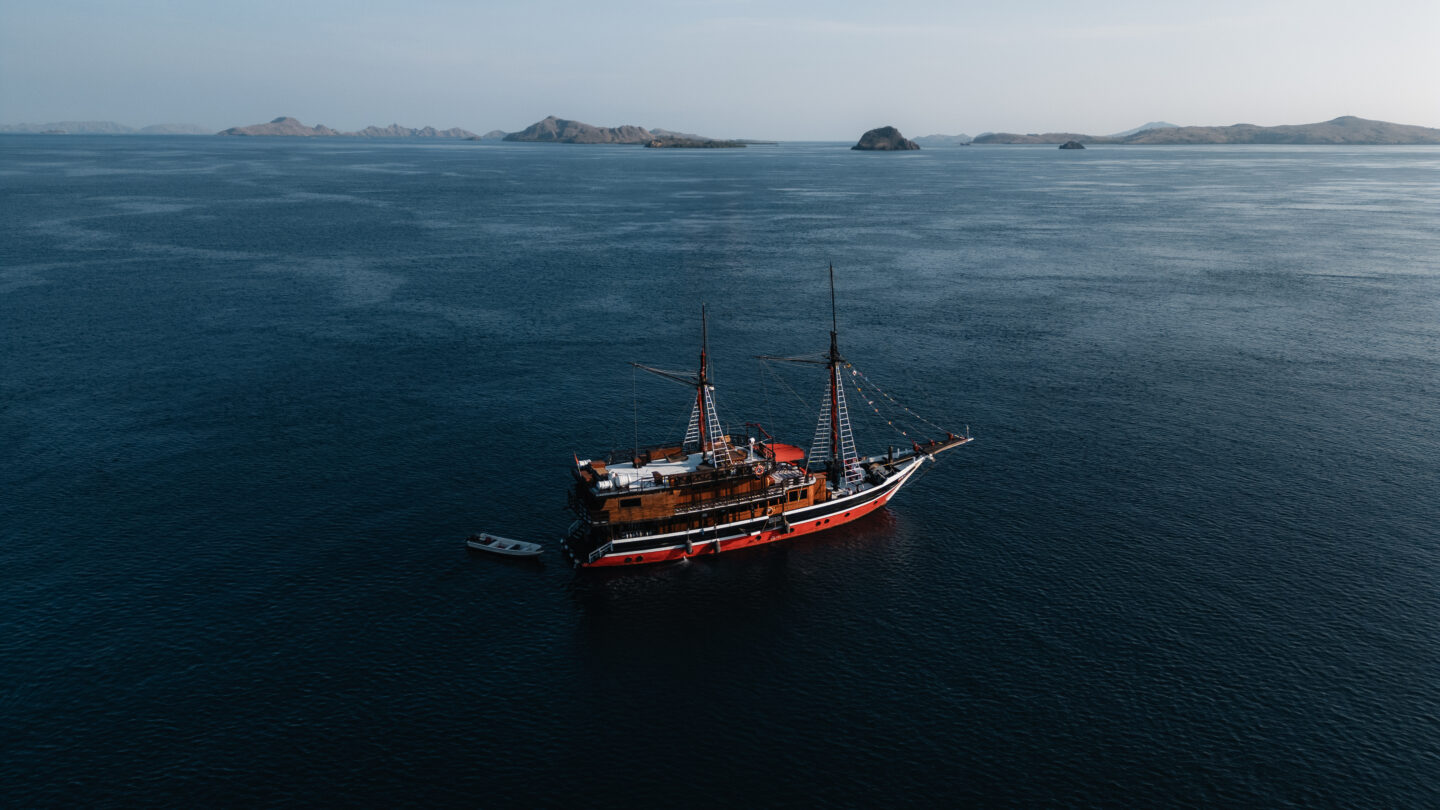
Liveaboards are especially well-suited for divers who place underwater time at the centre of their journey. When diving is the purpose of the trip, the liveaboard format allows the experience to unfold in a way land-based options simply cannot replicate.
Multi-Day Immersion & Dive Rhythm
Spending several consecutive days at sea allows divers to settle into a natural rhythm of diving, resting, and observing. This continuity supports better comfort in the water, more refined buoyancy and awareness, and a deeper connection with the environment. For many experienced divers, liveaboards are where skills stabilise, confidence grows, and each dive builds meaningfully on the last.
Access to Remote Sites and High-Quality Encounters
In regions where the most compelling dive sites are spread across large areas, liveaboards provide direct, sustained access. By staying close to the dive environment, divers can reach sites at optimal times and explore rarely visited locations by day boats. This not only enhances the quality of each dive but also increases the likelihood of encountering healthy reef systems and wide-ranging marine life in their natural patterns.
For serious divers, these advantages make liveaboards more than a convenient option. They make them a deliberate and rewarding choice.
For Divers Chasing Peak Conditions
Liveaboards often offer greater route flexibility than land-based diving, allowing itineraries to be adjusted within safe and permitted areas in response to prevailing sea and weather conditions. Rather than creating uncertainty, this flexibility is designed to optimise dive quality by selecting sites with better visibility, calmer seas, or more favourable currents on a given day.
For experienced divers, this approach means the journey is guided not only by a fixed schedule but also by real-time environmental awareness and local knowledge. While key destinations remain part of the planned route, daily adjustments help ensure dives are conducted in the best possible conditions.
To fully enjoy this advantage, divers should be comfortable with the rhythm of liveaboard life, including shared spaces, early starts, and multiple dives per day, as these elements make adaptive, condition-based itineraries possible.
When Day Trips Can Be a Practical Complement to Liveaboard Diving
Day trips are sometimes chosen as a complementary approach rather than a replacement for liveaboard diving. In certain travel contexts, they can support pacing and variety without becoming the central focus of the journey.
Flexibility Within a Broader Travel Plan
Day trips allow divers to choose when to dive and when to rest, making them suitable for trips where diving alternates with other activities. This flexibility can be useful on longer itineraries or at the beginning or end of a journey, when divers are adjusting to travel fatigue or scheduling constraints.
Combining Diving with Time on Land
For travellers who also wish to explore local culture, cuisine, or landscapes, day trips can fit naturally into a land-based stay. Many divers use this format selectively, particularly in destinations where high-quality dive sites are easily accessible from shore.
Managing Energy and Recovery Over Extended Travel
Physical recovery plays an important role in any dive plan. Day trips can offer additional rest between dives and flexibility in daily pacing, which may be helpful during extended or multi-destination travel. Rather than maximising dive volume, this approach prioritises long-term sustainability and comfort.
In most cases, day trips work best as part of a mixed travel strategy, while liveaboards remain the preferred option when diving itself is the primary focus and access to remote sites is the goal.
Key Questions to Ask Yourself
To identify what suits you best, it helps to reflect on how you prefer to experience your time underwater and on board.
How Many Dives per Day Do You Truly Enjoy?
Enjoyment does not always increase with the number of dives. What matters more is how well those dives are planned, spaced, and supported. On a liveaboard, dive schedules are designed to balance underwater time with rest, surface intervals, and overall comfort, allowing divers to enjoy multiple days of high-quality diving without feeling rushed.
What Do You Value More: Immersion or Pace?
Liveaboards are built around immersion. Spending several days at sea allows divers to settle into a steady rhythm, return to similar reef systems, and observe marine life across different times of day. This continuity often leads to deeper familiarity with a region and more rewarding encounters over time.
How Do You Feel About Shared Spaces and Onboard Community?
Life on a liveaboard is a shared experience. For many divers, this creates a sense of connection, shared learning, and camaraderie that becomes part of the journey itself. While personal space is always respected, those who appreciate a social yet structured environment often find liveaboard life especially fulfilling.
What Divers Often Overlook When Choosing Between Liveaboard and Day Trips
Even experienced divers sometimes focus on visible differences, such as the number of dives, the destination, or the type of boat, while overlooking how those dives are structured and supported throughout the trip.
Overestimating Stamina
When multiple dives are supported by proper preparation, attentive crew assistance, and well-managed recovery time, the rhythm becomes sustainable rather than exhausting.
Well-run liveaboards are built around this balance. Dive schedules are spaced thoughtfully, surface intervals are protected, and onboard facilities are designed for genuine rest, not merely waiting for the next dive.
On La Galigo Liveaboard, for example, guests are not expected to manage equipment logistics between dives. Tanks, gear set-up, and preparation are handled by the crew, allowing divers to conserve energy and remain focused. Between dives, fresh fruit, drinks, and comfortable relaxation areas create a natural pause in the day. The atmosphere is unhurried, structured, and quietly efficient, more expedition style than transactional.
Rather than feeling rushed, as can sometimes happen with tight day-trip turnarounds, the experience is designed so that guests can fully reset before entering the water again. The intention is simple: divers should spend their energy exploring the ocean, not managing logistics.
Underestimating the Role of Surface Intervals
Surface intervals are not merely technical requirements; they are part of performance management. When rest, hydration, nutrition, and shade are intentionally built into the day, dive quality remains consistent across several consecutive days.
In a well-managed liveaboard environment, the entire schedule revolves around supporting this rhythm. The sea sets the pace, but the crew ensures it remains sustainable.
Choosing Based on Perception, Not Personal Fit
Liveaboards offer a highly immersive format that appeals most to divers who prioritise extended time at sea and access to remote sites. For many serious divers, this continuity creates a deeper connection to both the destination and the diving itself.
The key is not whether liveaboards or day trips are “better,” but how thoughtfully the format is executed and how well it aligns with what you value most in a dive trip.
Does Destination Matter? How Location Influences the Best Choice
Very much so.
The choice between liveaboard and day trips is strongly influenced by the destination’s character, not just personal preference.
Remote Destinations vs Accessible Reefs
In remote destinations such as Raja Ampat, liveaboards are often the most logical option. Long distances between dive sites, limited land access, and dynamic sea conditions make staying directly on board far more efficient and consistent. In regions like this, liveaboards allow divers to maximise time at the best sites without lengthy land transfers.
In destinations such as Komodo or parts of Sumbawa, certain sites are accessible by day boats. However, liveaboards still provide broader reach, optimal timing, and the ability to follow conditions across a wider area. This flexibility at sea often allows divers to access sites at quieter windows, adjust plans according to currents, and maintain a more integrated diving rhythm throughout the trip.
Seasonal Conditions and Logistics
Seasons, currents, and sea conditions also play a major role in determining the best option. In Raja Ampat, seasonal changes can affect which areas are ideal for diving, making liveaboards with flexible itineraries more advantageous. Meanwhile, in Komodo and Sumbawa, variations in currents and specific sea conditions make timing and logistics critical for both liveaboards and day trips.
Serious divers typically consider all of these elements carefully. Rather than choosing based solely on accommodation type, they decide based on when and where they will be diving.
How Different Diver Profiles Choose Their Ideal Experience
| Diver Profile | Key Characteristics | Common Approach | Primary Reason |
| The Dive-Focused Explorer | 120+ logged dives, travelling solo, highly attuned to sea conditions and pelagic encounters | Liveaboard | Enables a consistent dive rhythm and extended access to remote environments where encounter potential is shaped by timing, conditions, and patience. |
| The Balanced Traveller | 60–80 logged dives, travelling with a non-diver or mixed-interest companion | Liveaboard or Day Trips (Context-Dependent) | Liveaboards offer structured immersion and onboard support, while shorter dive formats may suit trips where diving is one part of a broader travel experience. |
| The Returning Experienced Diver | 200+ logged dives, prior liveaboard experience, clear preferences | Primarily Liveaboard | Experienced divers often choose liveaboards for remote regions and condition-driven itineraries, while selecting day-based diving only in destinations where access and quality are comparable. |
Liveaboards as the Natural Choice for Immersive Diving
Choosing between a liveaboard and day-based diving is not about which option sounds more impressive. It is about understanding how you prefer to dive, travel, and spend your time at sea. The most rewarding experiences come from choices that align with your physical readiness, personal rhythm, and expectations for each dive.
In destinations like Indonesia, where many of the most remarkable dive sites are remote and shaped by changing sea conditions, liveaboards often become the natural choice for divers seeking immersion, continuity, and access that cannot be replicated from shore. A well-designed liveaboard does more than transport divers. It creates a stable environment where planning, timing, and onboard support work together to elevate the overall experience.
For divers looking to understand what a thoughtful, expedition-oriented liveaboard experience looks like in practice, La Galigo Liveaboard stands as a strong reference. With an emphasis on preparation, comfort, and professional systems at sea, it reflects how liveaboard diving can be both purposeful and deeply enjoyable.
In the end, the best diving choice is not defined by trend or comparison, but by how well the experience supports the way you want to dive, explore, and remember the journey.
More information about the vessel is available here:
👉 La Galigo Liveaboard
FAQ
What is the difference between Raja Ampat day trips and liveaboard diving?
The main difference lies in access, pacing, and overall immersion. Raja Ampat day trips typically focus on dive sites near shore and follow a fixed daily schedule, making them suitable when diving is part of a broader land-based stay. Liveaboards, on the other hand, operate continuously at sea, allowing divers to reach more remote areas, adapt dive plans to sea conditions, and maintain a steady dive rhythm over several days. For many divers, especially those seeking deeper exploration and uninterrupted time underwater, a well-operated liveaboard offers a more complete way to experience Raja Ampat’s diversity.
Is a liveaboard always worth it for experienced divers?
Yes, particularly for remote destinations. Provided the physical demands and dive rhythm suit your diving style.
Which option is better for underwater photographers?
It depends on the working style. Liveaboards offer access and time, while day trips provide rest and flexibility.