
The Komodo Dragon is a fascinating creature that has been around for millions of years, earning its nickname as the “last living dinosaur. due to its prehistoric appearance. So what type of animal is it? It’s a massive lizard, native to the Indonesian islands in the Komodo National Park and can grow up to 3.3 Metres (10 feet) in length and weigh between 70–90 kg (150–200 lbs), with some exceptional individuals exceeding 100 kg.
Table of Content
- Predators: Who Hunts the Komodo Dragons?
- Lifespan: In the Wild & Captivity
- Komodo’s Reproduction
- Facts About Komodo Dragons
- The Komodo Dragon’s Habitat
- Conservation Status
- Conservation Efforts
- Threats to Their Survival
- Preserving the Komodo Dragon
Predators: Who Hunts the Komodo Dragons?
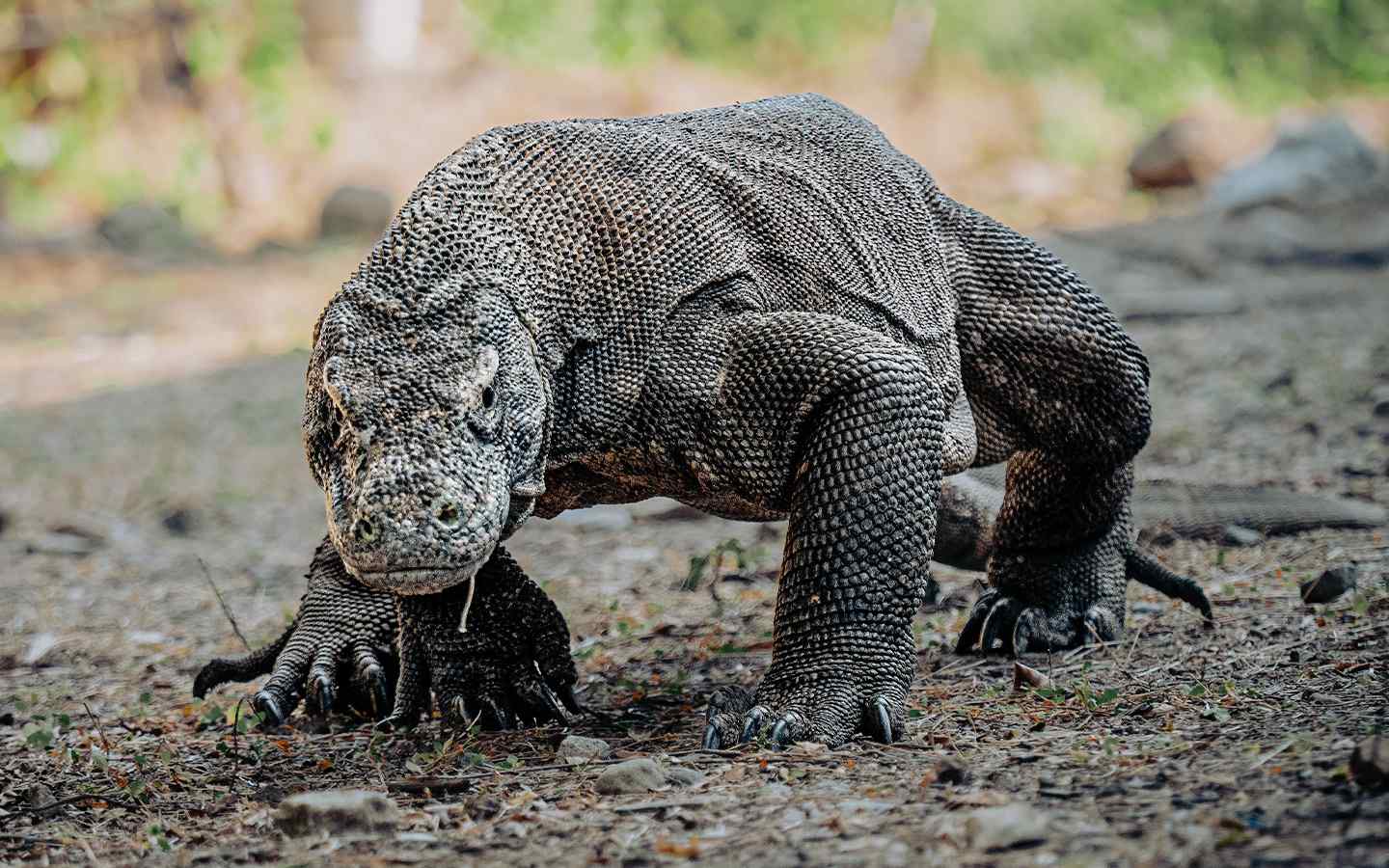
In their habitat, there are no natural predators to Komodo Dragons. Adult Komodo dragons sit comfortably at the top of the food chain.
For the juveniles though, when they hatch, they’re vulnerable. They’re about the size of a shoe and are prey of basically everything: birds of prey, snakes, feral dogs, even adult Komodo dragons. Yes, they are cannibals, which is why the youngsters bolt for the trees the moment they emerge.
Furthermore, the Komodo dragon faces various threats to its survival. Human activities, including habitat loss, poaching, and conflicts with local communities, continue to endanger their existence. Climate change also poses a significant threat, impacting the delicate balance of their ecosystems and further jeopardizing their future.
ALSO READ: A Welcome Return (Part 1): Komodo National Park
Lifespan: In the Wild & Captivity
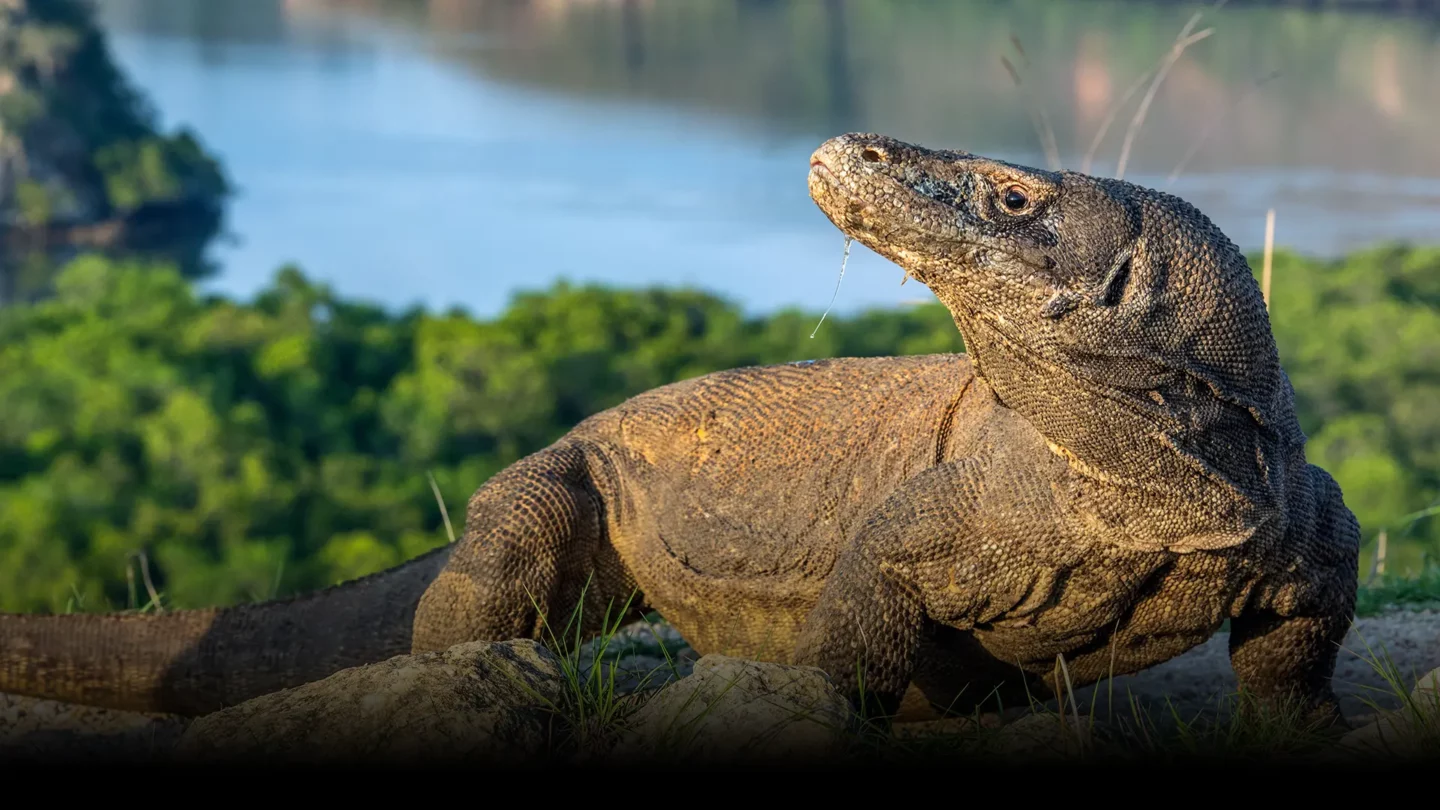
In the wild, Komodo dragons can live around 30 years, though most won’t make it that far. Between predation as juveniles, natural challenges, and their own brutal lifestyle, it’s survival of the fittest in the truest sense.
In captivity, with consistent food and medical care, they might push a little longer.
Komodo’s Reproduction
Mating happens between May and August, usually following a fierce wrestling match between males to determine dominance. The winner gets the right to court a female, who may or may not be receptive. And if she is, she lays up to 30 eggs in a burrow or inside an abandoned megapode nest.
Here’s where it gets weird: Komodo dragons are capable of parthenogenesis. This means that females can lay fertile eggs without mating. It’s nature’s emergency backup plan, perfect for isolated island populations.
Eggs incubate for about 8 months, hatching in April when food is relatively abundant. Hatchlings are immediately on their own, and as mentioned earlier, they sprint for the trees or risk becoming someone else’s lunch.
Facts About Komodo Dragons
Unique Hunting Behaviour
One of the most remarkable features of this ancient reptile is its unique hunting behaviour. They will patiently stalk their prey for an extended period before launching a sudden and deadly attack, using their strong legs and muscular tail to swiftly close in on their target, delivering venomous bites that prevent blood clotting and weaken the prey.
They are Carnivores & Cannibals
Interestingly, the Komodo Dragon has also been observed to exhibit cannibalistic behaviour, further highlighting its primal instincts.
In fact, seeing a Komodo eating another one of its own species is what inspired divers to name the famous dive site “Cannibal Rock” in Horseshoe Bay, southern Rinca Island.
As carnivorous predators, Komodo dragons feed on a variety of prey, including deer, wild boar, and water buffalo. They are also known to scavenge on smaller mammals and birds. Their impressive hunting and feeding behaviours reflect their status as apex predators in their habitats.
Read Also: Are the Komodo Islands Worth it?
Excellent Swimmers
Despite its large size, the Komodo Dragon is also an adept climber and swimmer, adding to its prowess as a predator.
Excellent Sense of Smell
Their sense of smell is highly developed, allowing them to detect prey from several kilometres away. It is that good, that Komodo mainly hunt by using their sense of smell even though they have an excellent level of eyesight and hearing.
Furthermore, they are using their tongue to sense the smell in the air and detecting the direction where it come from. This way, they know what’s up in a range up to five miles away.
The Komodo Dragon’s Habitat
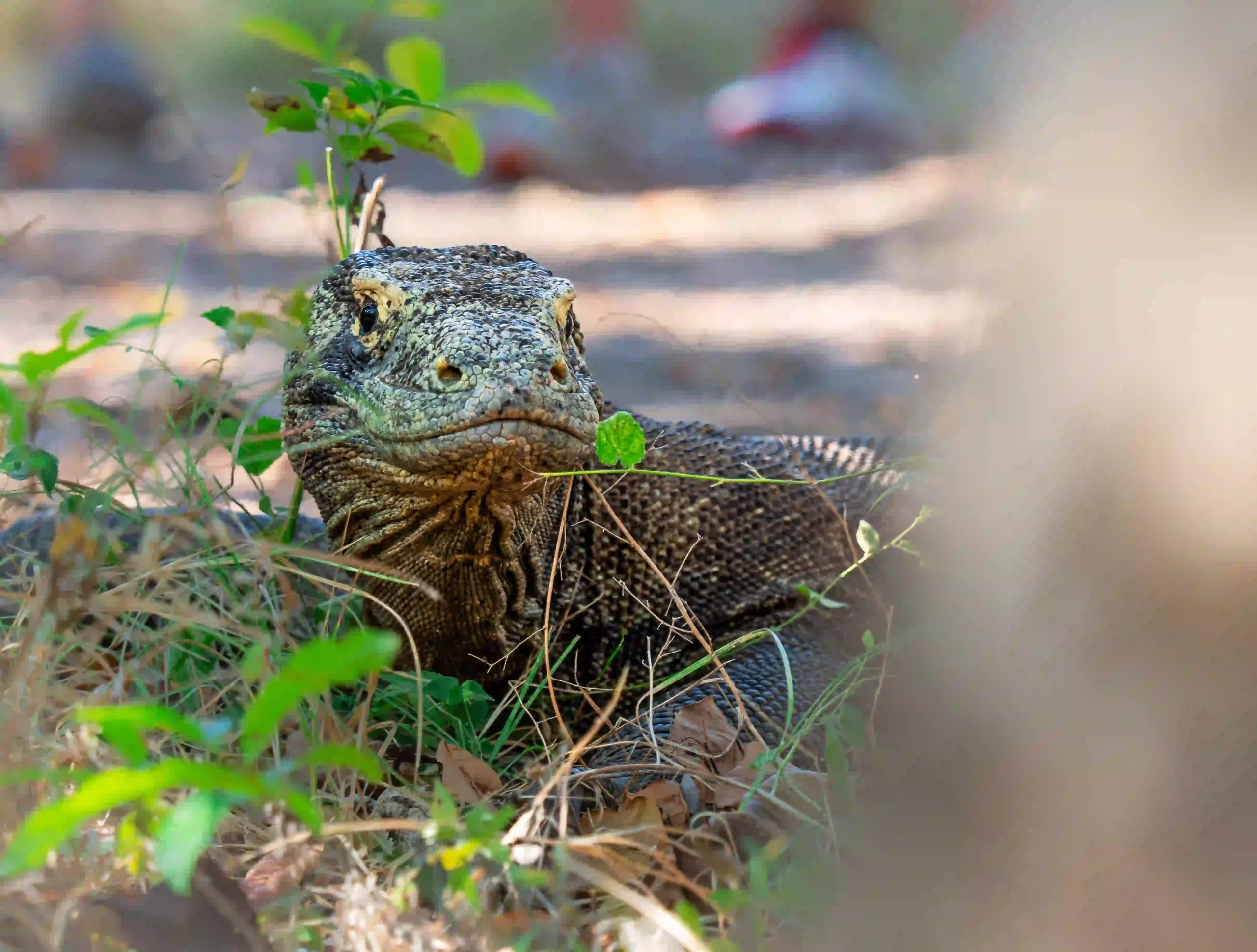
The Komodo dragon is native to a few Indonesian islands, including Komodo, Rinca, Flores, Gili Motang, and Padar. Their natural habitat includes tropical savannas, grasslands, and forests where they can find ample prey and suitable nesting sites.
These remarkable reptiles are well adapted to their environment and play a crucial role in their ecosystems. So now that we have answered the question where the Komodo Dragon from is, let’s look at some other cool stuff like their diet.
Climate
The climate Komodo Dragons live swings between extremes. From April to November, the sun rules; ruthless and unrelenting, driving the land to dust. Then comes the rainy season, dumping torrents that turn trails into mudslides and bring the landscape briefly back to life. The dragons? They thrive in both. Survivors through and through.
Habitat Types
You’ll find Komodo dragons across a mix of habitats: arid savannas, open grasslands, deciduous forests, and mangrove swamps. Each one serves a purpose; hunting ground, hideout, nesting site.
Preferred Areas
They may roam wide, but dragons have their favorite haunts. They prefer dry valleys and open, grassy savannas where prey is easy to ambush.
Watering holes are their prime hunting spots; deer and wild boar can’t resist them. And when it comes to nesting, females seek out soft, undisturbed soil; often repurposing megapode mounds to bury their clutch like treasure in the earth.
Read Also: Diving Season & The Best Time to Visit Komodo
Conservation Status
Due to habitat loss and human encroachment, the Komodo dragon is listed as Endangered by the International Union for Conservation of Nature. Efforts are being made to protect their natural habitats and promote conservation initiatives to ensure the survival of these magnificent creatures.
Conservation Efforts
Conservation efforts for the Komodo dragon have been implemented to protect this iconic species. As of 2021, the Komodo dragon is classified as Endangered by the IUCN, facing increasing threats from rising sea levels and habitat encroachment.
The establishment of protected areas, such as Komodo National Park, has been crucial in safeguarding their habitats.
Additionally, educational programs and initiatives aimed at raising awareness about the importance of preserving these reptiles have been instrumental in garnering support for their conservation.
Preserving the Komodo Dragon
Preserving the Komodo dragon is not only essential for maintaining biodiversity but also for understanding the complexities of natural ecosystems.
As a top predator, the Komodo dragon plays a pivotal role in regulating the populations of its prey species, contributing to the overall health of its environment.
Furthermore, their unique characteristics and behaviours offer valuable insights for scientific research and wildlife conservation efforts on a global scale. Efforts to Safeguard the Komodo Dragon’s Future
To address the various threats to the Komodo dragon’s survival, comprehensive measures are being taken to safeguard their future.
One crucial aspect of conservation involves collaborating with local communities to mitigate human-wildlife conflicts and promote sustainable coexistence.
By engaging residents in conservation initiatives and providing alternative livelihoods, efforts are being made to reduce the pressure on the Komodo dragon’s habitats.
Furthermore, research and monitoring programs are essential for gaining a deeper understanding of the Komodo Dragons behaviour, population dynamics, and response to environmental changes.
This knowledge forms the basis for tailored conservation strategies aimed at addressing specific challenges faced by the species.
Additionally, international cooperation and support play a vital role in ensuring the long-term protection of the Komodo dragon, transcending national boundaries to address threats that extend beyond the species’ range.
Read Also: Are the Komodo Islands Worth it?
Beyond its Habitat
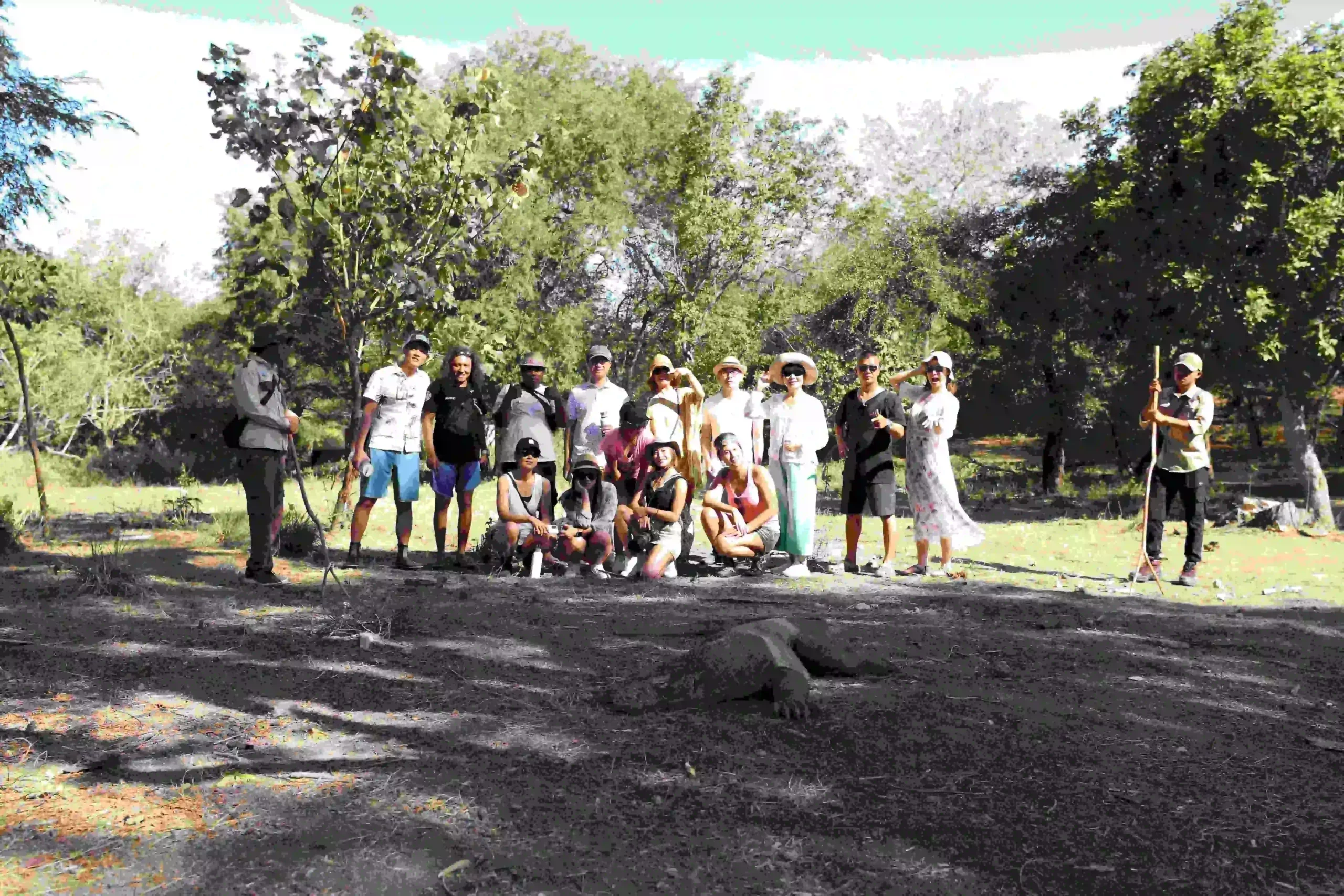
The significance of preserving the Komodo dragon extends beyond its immediate habitat, as it serves as a flagship species for conservation in the region.
By safeguarding the Komodo dragon, the unique ecosystems of the Indonesian islands are also protected, ensuring the survival of diverse flora and fauna that depend on these habitats.
In conclusion, the preservation of the Komodo dragon is of paramount importance not only for the species itself but for the holistic well-being of its environment and the invaluable contributions it offers to ecological research and conservation efforts.
Through concerted and coordinated actions, the future of these magnificent creatures can be secured for generations to come.
Where to See Komodo Dragons in the Wild
Seeing a Komodo dragon in the wild is an entirely different experience from observing one in a zoo. Here, they roam freely in their natural habitat: dry savannas, forest edges, and near watering holes, exactly as they have for millions of years.
If you are visiting Komodo National Park, these are the two main locations where sightings are most reliable.
Loh Liang – Komodo Island
Loh Liang is the main visitor entry point on Komodo Island and the most established trekking base in the park. It has ranger stations, clearly marked trails, and structured guided walks.
This is one of the most consistent places to encounter Komodo dragons, particularly around ranger kitchen areas where food scents linger, watering holes, and dry savanna clearings.
Treks range from short walks lasting one to two hours to longer hikes that explore hilltops with panoramic views of the island.
Because Komodo Island holds the largest dragon population in the park, sightings here are frequent, yet always wild and unpredictable.
Loh Buaya – Rinca Island
Loh Buaya, located on Rinca Island, is often considered the easier trekking option. The terrain is slightly flatter, and dragons are commonly spotted near the ranger station and along open savanna trails.
Rinca tends to feel less crowded than Komodo Island, which makes the experience more intimate and raw.
The island’s dry grasslands create excellent visibility, increasing your chances of spotting dragons moving across the landscape.
Important Visitor Guidelines
Komodo dragons are not tame animals. They are apex predators capable of short bursts of speed up to 20 km per hour and possess venomous bites.
For safety, always walk with a licensed park ranger, maintain at least five metres of distance, and do not carry visible food. Women who are menstruating should inform guides discreetly, as dragons have an extremely sensitive sense of smell.
Encounters are safe when rules are respected, but this is genuine wilderness.
Best Way to Experience Komodo
While day trips from Labuan Bajo are possible, exploring the park via liveaboard offers a far more immersive experience. Staying overnight allows you to visit trekking sites early in the morning, when dragons are more active and crowds are minimal, and to combine the adventure with some of the world’s most biodiverse dive sites.
For divers exploring iconic locations such as Cannibal Rock and Batu Bolong, pairing world-class diving with a guided dragon trek creates a rare above-and-below experience within a single journey.
For those seeking a more comprehensive expedition, La Galigo’s 8 Days / 7 Nights Ultimate Komodo Diving journey combines multiple dragon encounters, signature dive sites, and extended exploration across Komodo National Park, allowing you to experience the full scale of what this extraordinary region has to offer without rushing from island to island. In Komodo, the magic is not only underwater. It begins the moment you step ashore.
Final Thoughts
The Komodo dragon is more than the world’s largest lizard. It is the undisputed ruler of one of Indonesia’s most extraordinary ecosystems. From its ancient lineage and venomous hunting strategy to its role as an apex predator, this reptile represents raw, untamed nature at its finest.
Seeing a Komodo dragon in the wild, whether at Loh Liang on Komodo Island or Loh Buaya on Rinca Island, is not simply a wildlife encounter. It is a reminder that true wilderness still exists.
In Komodo National Park, that wilderness extends beyond the land. Beneath the surface lies some of the richest marine biodiversity on Earth, making the region one of the rare places where you can witness prehistoric giants on land and world-class diving within the same journey.
Few destinations offer an experience this complete and this unforgettable.
Frequently Asked Questions
What type of animal is a Komodo dragon?
A Komodo dragon is a large carnivorous reptile and the largest living species of lizard, belonging to the monitor lizard family Varanidae with the scientific name Varanus Komodoensis.
Where do Komodo dragons live?
Komodo dragons live naturally only in Indonesia, mainly on:
– Komodo Island
– Rinca Island
– Flores Island
– Gili Motang
– Padar Island
They inhabit dry tropical forests, savannas, and coastal ecosystems.
What do Komodo dragons eat?
Komodo dragons are carnivores and eat animals such as:
-Deer
-Wild pigs
-Birds
-Smaller Reptiles
-Carrion
They are apex predators in their ecosystem.
Are Komodo dragons predators or prey?
Adult Komodo dragons are apex predators with almost no natural enemies. However, young Komodos may be prey for birds of prey, snakes, or larger Komodo dragons.
How long do Komodo dragons live?
Komodo dragons typically live around 30 years in the wild and may live longer in captivity.
How big can a Komodo dragon grow?
An adult Komodo dragon can grow up to 3 meters (10 feet) long and weigh 70–90 kg, making it the largest living lizard on Earth.
How do Komodo dragons adapt to their environment?
Komodo dragons have several adaptations:
-strong limbs and sharp claws
-venomous bite
-thick protective scales
-excellent sense of smell using a forked tongue
-ambush hunting strategies
These traits allow them to dominate their island ecosystems.
How do Komodo dragons detect prey?
Komodo dragons detect prey using their forked tongue, which collects scent particles and delivers them to the Jacobson’s organ, allowing them to track animals from several kilometers away.
Why are Komodo dragons solitary animals?
Komodo dragons are mostly solitary and territorial, which reduces competition for food and helps avoid conflict between large predators.
How many Komodo dragons are left in the world?
There are approximately 3,000–3,500 Komodo dragons remaining in the wild, most living within Komodo National Park.
Why are Komodo dragons important to the ecosystem?
As apex predators, Komodo dragons help maintain ecological balance by controlling populations of animals such as deer and wild pigs.
What is the life cycle of a Komodo dragon?
Komodo dragons start life as eggs laid in nests. Young dragons often live in trees to avoid predators. As they grow larger, they move to the ground and become dominant predators.