
For many photographers, finding a location that truly works with the camera is rare. Many beautiful places in the world look spectacular to the human eye, yet do not always translate easily into strong images. Light can be too harsh, subjects too disturbed by human presence, or the environment too crowded to build calm and meaningful compositions.
This is where Raja Ampat occupies a unique position. The region is not merely beautiful. It consistently produces images that feel alive, balanced, and honest. It is as if nature here understands visual language and gives photographers the space to work without forcing anything.
This article explores why Raja Ampat is often described as a place built for the lens, not because it was shaped by human design, but because of its own natural balance.
Raja Ampat’s Natural Balance Makes It Ideal for Photography
Many popular destinations offer dramatic scenery, but only a few feel genuinely supportive of the photographic process. Raja Ampat often leaves the opposite impression. It seems to make things easier for photographers, both above and below the surface.
This feeling is not accidental. It comes from a combination of geography, climate, ecology, and relatively low human pressure. All of these elements work together to create stable and repeatable visual conditions, something highly valued in photography.
Unlike destinations that have developed rapidly through tourism infrastructure, Raja Ampat’s landscapes are shaped almost entirely by natural processes. Its karst islands, shallow reefs, and tropical waters have evolved over thousands of years with minimal human intervention.
The absence of artificial design creates organic, non-repetitive forms. For photographers, this means every angle offers genuine visual variation. Karst lines are never truly symmetrical, coral grows according to currents and light, and negative space forms naturally without the need for arrangement.
Light That Enhances
Light is the foundation of every photograph. In many tropical locations, light can become a challenge due to its harshness or inconsistency. Raja Ampat offers a different experience, particularly for photographers working outdoors and underwater.
Equatorial Light and Predictable Conditions
Raja Ampat’s position near the equator creates relatively consistent daylight cycles throughout the year. Sunrise and sunset occur within stable time windows, with gentle transitions in light.
For photographers, this makes planning easier. Morning and late afternoon light is often soft enough to build texture without extreme shadows. Even at midday, light angles can still be used effectively, especially in shallow waters that reflect light evenly.
Water Clarity and Natural Colour Separation
Below the surface, Raja Ampat’s water clarity plays a major role in image quality. Relatively clean water allows light to penetrate deeper, creating natural colour separation between blues, greens, and the warmer spectrum of the reef.
The result is rich yet restrained colour. Many photographers note that raw files from Raja Ampat require minimal colour correction, as contrast and saturation are already formed naturally underwater.
Read Also: 6 Underwater Wide Angle Photography Techniques
Biodiversity That Creates Natural Composition
Raja Ampat is known as one of the world’s centres of marine biodiversity. For photographers, however, its greatest value lies not only in species count, but in how life arranges itself within the frame.
Layering, Depth, and Visual Scale
Healthy reefs create clear visual layers: coral in the foreground, small fish in the midground, and blue water columns in the background. This layering provides natural depth, something difficult to recreate in degraded ecosystems.
Scale also forms intuitively. Fish schools, large sea fans, or the presence of rays and sharks offer visual reference points that help viewers understand size and spatial relationships within the image.
Movement and Life Within the Frame
Movement is a key element in nature photography. In Raja Ampat, fish and marine organisms often move collectively and rhythmically. This allows photographers to capture moments that feel alive without excessive waiting.
Rather than scattered and sporadic subjects, many scenes here offer complete visual dynamics, as if the ecosystem itself is consciously posing.
Subjects That Behave Naturally in Front of the Lens
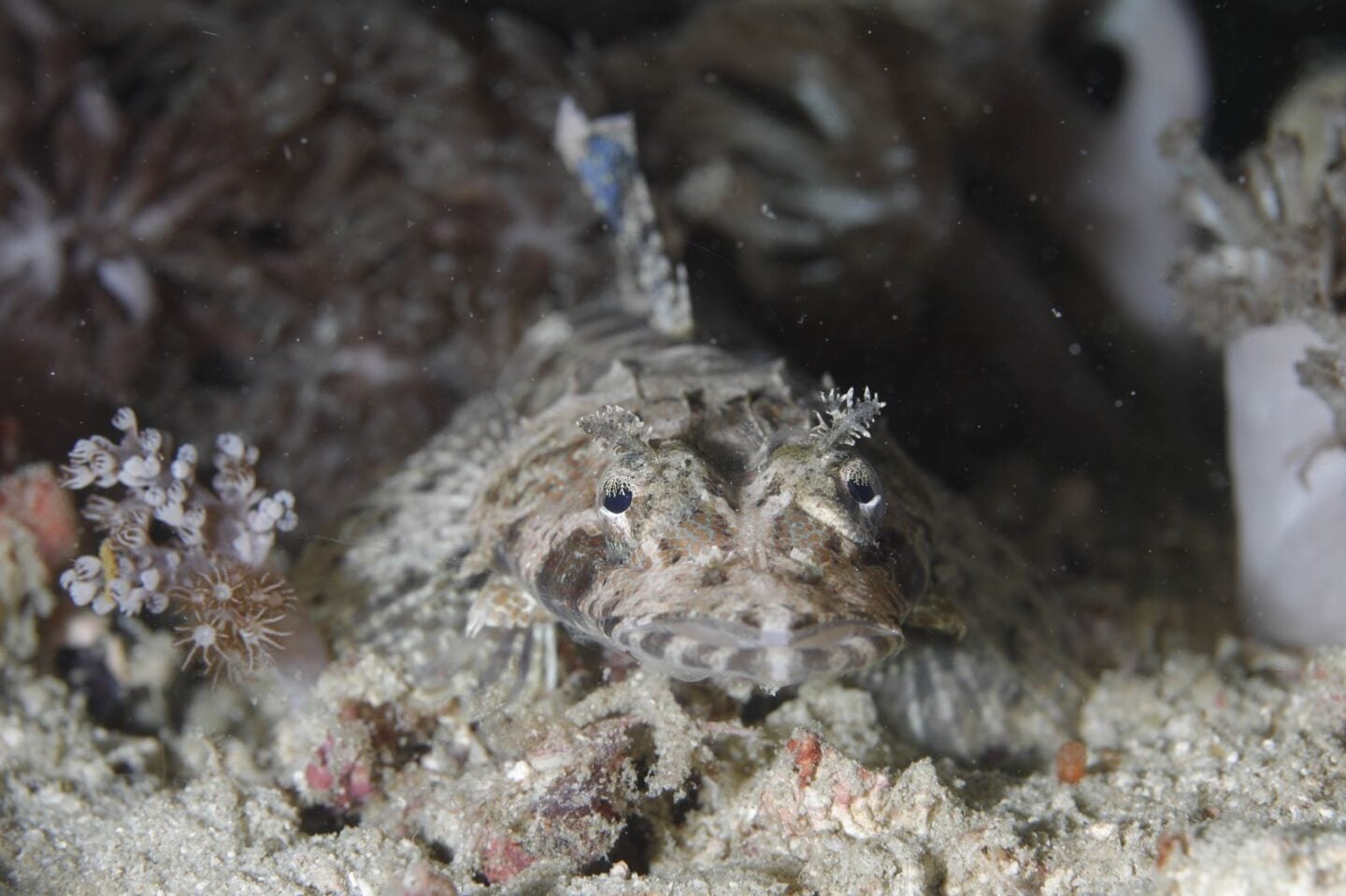
One of the greatest challenges in wildlife photography is subject behaviour. In locations with heavy tourism pressure, animals often become cautious, aggressive, or overly accustomed to humans.
Raja Ampat sits at a rare point of balance.
Lower Human Pressure, More Authentic Behaviour
Despite growing recognition, many areas of Raja Ampat remain relatively quiet. Diver numbers are limited, distances between sites are long, and some locations are visited only periodically.
These conditions allow fish and megafauna to maintain natural behaviour. Cleaning stations function normally, fish schools form undisturbed, and interspecies interactions unfold at their natural pace.
Patience Is Rewarded
In Raja Ampat, patience often pays off. By waiting and keeping distance, photographers can observe behaviours rarely seen elsewhere. These moments produce images that are not only beautiful, but also carry narrative and documentary value.
A Rare Balance Between Wide-Angle and Macro
Many renowned destinations excel in only one photographic style. Raja Ampat offers a rare balance. It is equally strong for wide-angle and macro photography.
Within a single trip, photographers can build a diverse portfolio, from expansive reefscapes and large fish schools to fine details such as nudibranchs, shrimp, and coral textures.
This diversity keeps Raja Ampat relevant for photographers with different styles and interests, without the need for long-distance relocation. Every dive presents new storytelling possibilities as currents, light, and biological activity shift, creating space for experimentation and flexible creative approaches.
Liveaboards Support High-Quality Photographic Results
For underwater photographers, liveaboards offer advantages that are difficult to match with day-based operations. Living directly on board provides far greater time and flexibility to align dives with light conditions, currents, and marine behaviour.
There is no pressure to return to land, allowing dives to take place very early in the morning or late in the afternoon, two periods when light is most favourable and marine activity most compelling. In addition, access to remote sites with fewer visitors allows photographers to work in environments with lower human pressure, resulting in calmer subjects and more natural behaviour.
The slower rhythm of liveaboard life also allows repeated dives at the same site, which is crucial in underwater photography, as the strongest images often emerge through observation and patience. This combination of time, cleaner conditions, and creative freedom makes liveaboards the most effective platform for photographers seeking meaningful and impactful work.
Liveaboard Routes to Raja Ampat’s Best Destinations
For photographers exploring Raja Ampat by liveaboard, several regions consistently deliver high-quality underwater imagery.
- Misool
Known for exceptionally healthy reefs, large sea fans, and strong wide-angle compositions. High visibility and layered reef structures make Misool ideal for building depth and scale within a single frame.
- Dampier Strait
An area with the highest fish density in Raja Ampat. Large schools, nutrient-rich currents, and frequent megafauna encounters make it a prime location for capturing movement, energy, and ecosystem dynamics.
- Wayag
Iconic for topside and landscape photography, with dramatic karst formations that provide strong visual context for underwater stories. Ideal for portfolios that connect sea and land.
- Penemu
Offers a balance between underwater and surface photography, with karst compositions, clear shallow waters, and smooth visual transitions between two worlds.
Liveaboards allow photographers to reach all of these prime areas within a single journey, choose optimal dive times, and work in locations with lower human pressure. This significantly increases the chances of capturing images that feel natural and powerful. For photographers seeking this approach, La Galigo Liveaboard is known for its calm sailing rhythm, dive planning that prioritises light and animal behaviour, and a team that understands the needs of underwater photographers. An unhurried approach and focus on experience quality make La Galigo an ideal choice for those aiming to produce their best work in Raja Ampat.
Photography Above and Below the Surface
Raja Ampat’s strengths do not end underwater. Its terrestrial landscapes complete the visual narrative.
Dramatically shaped karst islands create strong compositions from above and at the surface. Vertical cliff lines, water reflections, and morning mist build a cinematic atmosphere without additional elements.
When combined, underwater and topside photography in Raja Ampat creates a complete visual story. Viewers see not only beauty, but also spatial context and the relationship between ocean and land.
Key Considerations for Your Final Image
In Raja Ampat, image quality is often determined less by the camera and more by how the photographer behaves underwater.
Good buoyancy control keeps reefs intact and water clear. Maintaining distance allows subjects to behave naturally. Spending time in one place helps photographers read environmental rhythms.
All of these factors directly shape the final image.
Final Thought
Ultimately, Raja Ampat is more than a photogenic destination. It is a space for learning, reflection, and inspiration. It teaches that the strongest images often emerge when photographers adapt themselves to nature, rather than trying to control it.
This is why Raja Ampat continues to draw photographers from around the world. Not because it is perfect, but because it is honest. And in that honesty, the camera finds its meaning.
FAQ
Is Raja Ampat suitable for beginner photographers?
Yes. Raja Ampat suits photographers of various experience levels. For beginners, good visibility and subject diversity make the learning process enjoyable. However, solid diving skills remain important to maintain buoyancy and avoid damaging the environment while shooting.
When is the best time for underwater photography in Raja Ampat?
In general, photographic conditions in Raja Ampat are good year-round. Periods of calmer seas and optimal visibility occur seasonally, depending on the area visited. Liveaboards allow routes to be adjusted to follow the best conditions.
Does underwater photography in Raja Ampat require special equipment?
Not strictly, but reliable housings and appropriate lighting systems are recommended. Water clarity often allows effective use of natural light, though strobes remain helpful for enhancing colour and detail at certain depths.