
Manta rays have become the most iconic symbol of diving in Komodo National Park. Many divers arrive with one main dream: drifting calmly at a cleaning station while giant mantas circle overhead. It is an extraordinary experience and one that deserves to be remembered for a lifetime.
However, if Komodo diving is reduced to being merely “a place to see mantas”, we miss the true essence of this region. Komodo is a complex, dynamic, and highly productive marine ecosystem, where strong currents act as the lifeblood that nourishes thousands of species, from large predators to microscopic organisms barely visible.
This article invites you to look at Komodo more deeply, not as a destination defined by a single iconic species, but as a web of marine life that makes Komodo one of the richest diving destinations in the world. Below are some of the key marine animal groups that divers commonly encounter across Komodo National Park.
Marine Animals in Komodo National Park
| Marine Group | Example Species | Where Commonly Found | Key Characteristics |
| Manta Rays | Manta ray | Cleaning stations, current-swept areas | Iconic, frequent encounters, graceful and tolerant of divers |
| Reef Sharks | Grey reef shark, white-tip reef shark, black-tip reef shark | Coral reefs, drop-offs, slopes | Common reef predators are alert indicators of a healthy ecosystem |
| Pelagic Sharks | Hammerhead, silky shark | Blue water, strong currents, seasonal conditions | Not always present, highly dependent on currents and season |
| Macro Life | Nudibranchs, cleaner shrimp, harlequin shrimp, boxer crab | Reef crevices, sponges, under rocks | Small but diverse, active in nutrient-rich areas |
| Sea Turtles | Green turtle, hawksbill turtle | Reefs, sheltered areas | Calm, often gliding or resting |
| Other Rays | Eagle ray, blue-spotted stingray, marble ray | Open water, sandy bottoms, slopes | Diverse habitats, different current-use strategies |
| Schooling Fish | Trevally, barracuda, snapper | Strong-current sites | Synchronous movement, defining Komodo’s visual energy |
| Colourful Reef Fish | Anthias, fusiliers, butterflyfish, angelfish | Almost all dive sites | Provide colour and visual density on every dive |
| Rare Species | Frogfish, rhinopias, seahorses | Specific sites, protected microhabitats | Infrequent sightings require patience and observation |
Manta Rays as Komodo’s Most Famous Icon
There are strong reasons why manta rays have become Komodo’s symbol. These waters host numerous natural cleaning stations, areas where currents bring plankton and cleaning fish together. Mantas visit these sites regularly, often in large numbers, and frequently remain for extended periods, creating relatively consistent encounters for divers.
Komodo mantas are also known for being calm and tolerant of human presence. They glide gracefully, forming wide circles that allow divers to observe natural behaviour from a respectful distance. This combination of size, elegance, and predictability has made mantas the “face” of Komodo.
Yet the same currents that sustain manta cleaning stations also energise the entire ecosystem. This is where the true Komodo story begins.
Read More: Manta Rays in Komodo
Sharks of Komodo
Komodo is a region where sharks are a natural part of the underwater landscape.
Reef Sharks You Will Commonly Encounter
At many dive sites, especially those with coral structures and moderate currents, reef sharks are frequently seen. Grey reef sharks are often seen patrolling drop-off edges, while white-tip reef sharks rest on sandy bottoms or within reef crevices. Black-tip reef sharks commonly appear in shallower waters.
Their presence signals a relatively healthy ecosystem. They are not aggressive, but elegant and alert, offering a sense of wildness that remains safe for divers who respect distance.
Pelagic Encounters
Under the right conditions, with suitable currents, favourable seasons, and the correct locations, Komodo can also deliver pelagic encounters. Hammerheads, silky sharks, and other open-ocean predators may appear as silhouettes in the blue.
Macro Invertebrates
Behind Komodo’s powerful currents lies an active and detailed macro world. Constant nutrient flow turns reef structures and sponges into ideal habitats for small creatures that rely on a steady food supply.
Common macro life includes:
Nudibranchs
Komodo hosts a high diversity of nudibranchs, with striking colours and patterns that stand out against coral and sponge. They are usually found crawling across nutrient-rich substrates and are often active because food is stable.
Shrimps
Various species of cleaner shrimp inhabit reef crevices and sheltered spaces, using reef structure to avoid direct current. Many play key ecological roles by cleaning fish that visit specific stations. Harlequin shrimp, for example, are small, vividly patterned shrimp usually seen in pairs and often found near starfish, which also serve as their food source.
Boxer Crabs
Small crabs that carry anemones in their claws as a defence mechanism. They are typically found in crevices or beneath rocks, using reef structures for shelter from the current.
These creatures inhabit protected microhabitats that avoid the strongest currents while still receiving nutrient flow. For divers willing to slow down and focus on detail, this side of Komodo offers a vivid and dynamic macro experience far removed from anything static.
Turtles, Rays, and Other Graceful Giants
Sea Turtles in Komodo Waters
Turtles are constant residents of Komodo waters. Green turtles and hawksbill turtles are often seen gliding above reefs or resting in sheltered areas. They appear calm and unhurried, seemingly unaffected by the same currents that challenge divers.
Seeing turtles in Komodo feels different. They are not simply passing through; they are part of the ongoing natural rhythm.
Rays Beyond Mantas
Beyond manta rays, Komodo waters host various ray species that utilise habitats and currents differently. Eagle rays are often seen cruising open water, efficiently using currents while travelling alone, in pairs, or in small groups. Their body shape and movement make them recognisable even at a distance.
In sandy areas and reef flats, blue-spotted stingrays often lie partially buried, with only their eyes and distinctive blue patterns visible. These rays are typically active in shallow to mid-depth waters, particularly where sand and coral mix.
Larger marble rays are frequently encountered in moderate to strong currents, resting on the seabed or moving slowly along slopes. The presence of these ray species highlights Komodo’s broad habitat range, from open water to sandy bottoms, supporting multiple ray lifestyles.
Schooling Fish and Reef Life That Define Komodo’s Energy
If one word best describes Komodo underwater, it is energy. This energy is most evident when divers encounter schooling fish and reef life moving constantly with the current.
Large Fish Schools in Current-Swept Sites
At high-current sites, trevally may form swirling silver balls, barracuda hover in long formations, and snapper cover reef walls like living clouds. Their movement is synchronised and responsive to changing currents, creating scenes that feel dynamic rather than static.
This is not a natural aquarium, but a functioning ocean, where each species moves according to its role.
Colourful Reef Fish on Almost Every Dive
Amid these large-scale movements, reef life provides a constant backdrop. Anthias dance in the current in large numbers, fusiliers stream past in steady flows of colour, while butterflyfish and angelfish add bright accents on nearly every dive.
These reef fish give Komodo its sense of fullness, providing biological and visual context that strengthens every encounter, whether with large schools or iconic species.
Rare Species
Komodo is home to species that do not appear on every dive, but become valuable surprises for patient and observant divers. Encounters depend heavily on site conditions, currents, and careful observation.
Examples include:
Frogfish
Known for disproportionate body shapes and exceptional camouflage. Frogfish hide among coral or sponges, resembling their surroundings so closely that they are almost invisible without a trained eye.
Read Also: Frogfish: Secretive Hunters of the Deep
Rhinopias
A rare relative of scorpionfish. Rhinopias resemble living artefacts, with fringed fins and striking colours. They are usually found stationary on the seabed or specific reef structures for limited periods.
Seahorses
Found in specific locations with relatively controlled currents. Seahorses anchor themselves to delicate structures such as hydroids or soft corals to maintain position and avoid being swept away.
Read Also: 11 Interesting Things to Know About Seahorses
Seeing More Than Mantas Means Diving the Right Way
Komodo’s diversity does not reveal itself automatically. It requires the right approach.
Site Selection and Timing Matter
Currents, tides, and seasons play a decisive role. The same dive site can offer very different experiences at different times. Understanding when currents bring nutrients, when conditions allow detailed exploration, and when predators are most active is key to fully experiencing Komodo.
Liveaboards as a Gateway to Greater Biodiversity
The liveaboard approach allows diving in a fundamentally different way from day trips. The difference is not just comfort but also the way and where interactions with the marine ecosystem occur.
Access to Remote Sites Rarely Reached by Day Trips
Many of Komodo’s best sites lie far from land-based departure points. These areas often require long travel times that are impractical for daily boats. As a result, they are dived less frequently and experience far lower human pressure.
In such locations, marine life is often more complete and behaviour more natural. Schooling fish form larger groups, predators appear more confident, and sensitive species are more likely to be seen. Liveaboards provide access without sacrificing dive time.
Flexible Dive Timing Based on Optimal Conditions
Currents, tides, and timing strongly influence Komodo’s biodiversity. Rigid day-trip schedules often dictate diving because “it is time”, not because “conditions are right”.
Liveaboards change this approach. Vessels can relocate or adjust dive times based on real conditions, such as active currents, optimal visibility, or periods when specific species are more likely to appear. This flexibility greatly increases opportunities to see a full spectrum of life, from pelagic species to macro.
Reduced Human Pressure and More Natural Behaviour
Less-visited sites and adaptive schedules create more balanced interactions between humans and nature. Marine animals are less accustomed to dense diver traffic, so behaviour remains more natural. Rays do not rush away, sharks continue patrolling, and reef fish display normal feeding patterns.
For divers, this is not just about seeing more, but about seeing the ocean as it truly functions.
Living at sea removes constraints of land schedules, travel distances, and daily routines. Each day follows natural rhythms, not the other way around. This approach makes the diving experience more complete and immersive.
In Komodo, this concept is applied consistently by operators such as La Galigo Liveaboard. By focusing on correct site selection, calm dive pacing, and respect for natural conditions, the liveaboard experience delivers not only more species but also the context that makes each encounter meaningful.
Whale Shark Encounters on La Galigo’s Beyond Komodo Trip
For divers who want to understand Komodo as an ecosystem rather than just a destination, liveaboards form the most natural bridge between people and the sea.
For those seeking a broader view beyond crowded iconic sites, the 10D9N Beyond Komodo Diving trip with La Galigo Liveaboard is designed to explore less-visited regions. This route extends beyond the core Komodo area, exploring waters with diverse ecosystems, from strong-current reefs to open-ocean zones rich in pelagic life.
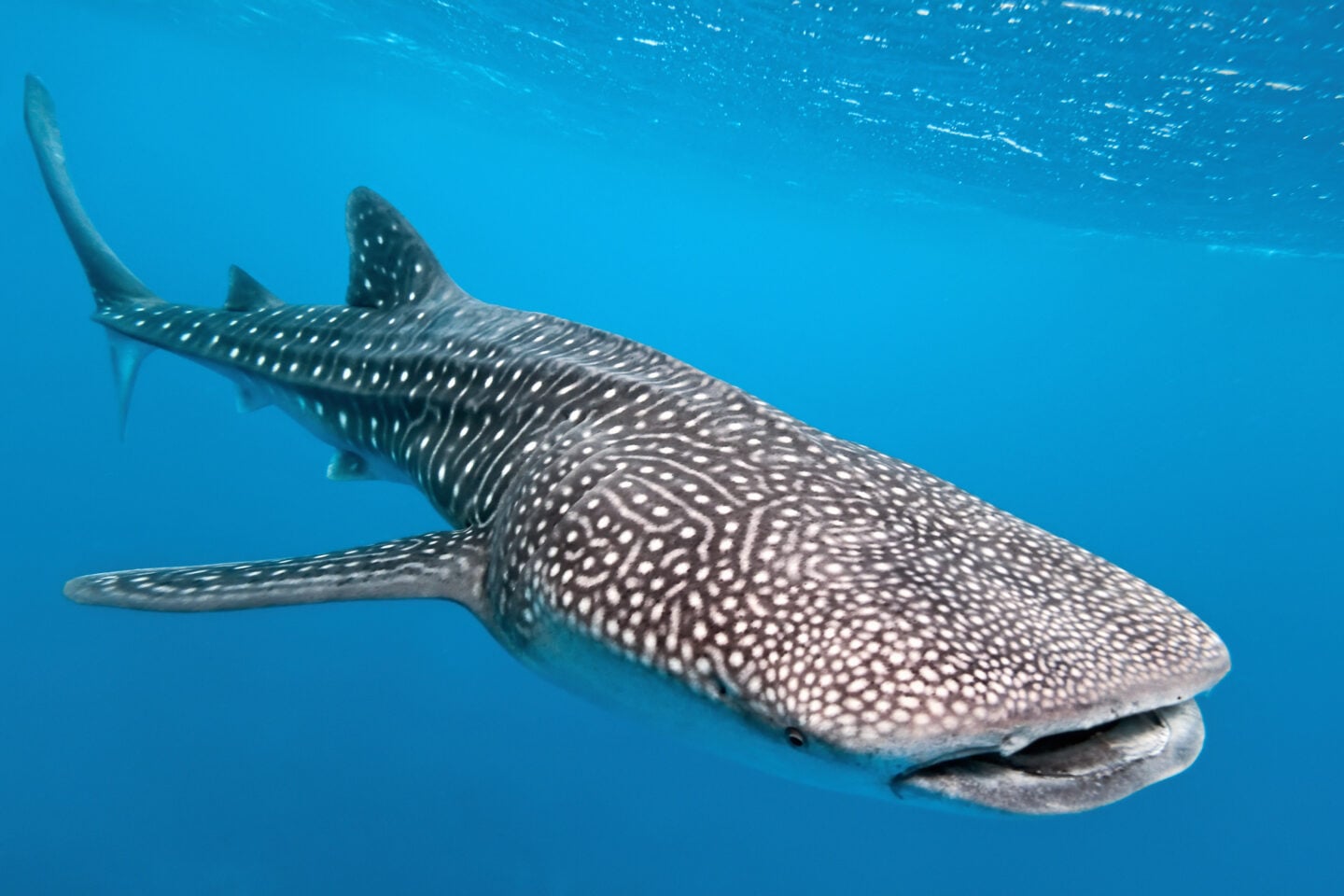
A key highlight of this itinerary is scheduled whale shark encounters. These are not optional add-ons; they are an integrated part of the route. At specific points, dives and marine activities are planned to allow guests to observe these gentle giants in their natural habitat, complementing encounters with mantas, sharks, and schooling fish throughout the expedition.
With extended duration and an unhurried pace, dives follow optimal conditions of current, timing, and location, ensuring that each encounter feels natural and contextual.
Verdict
Manta rays are a beautiful introduction. But Komodo is not about one species, one moment, or one iconic image. It is a living ecosystem, where currents act as architects and every creature, large or small, plays a role.
When you dive Komodo with an open mind, you do not simply see the ocean. You understand how life is connected. And that is where Komodo reveals its true uniqueness, far beyond manta rays.
FAQ
1. Is Komodo only suitable for divers who want to see manta rays?
No. While manta rays are iconic, Komodo offers far more. Divers encounter reef sharks, large schooling fish, multiple ray species, turtles, and macro life such as nudibranchs and shrimps. Komodo is an ecosystem destination, not a single-species site.
2. What types of sharks are commonly seen while diving in Komodo?
Reef sharks such as grey reef, white-tip reef, and black-tip reef sharks are commonly encountered. Under suitable conditions, pelagic sharks like hammerheads or silky sharks may also appear in blue-water environments.
3. Is Komodo suitable for macro diving enthusiasts?
Yes, with the right approach. Despite strong currents, Komodo supports active macro life, including nudibranchs, cleaner shrimp, harlequin shrimp, and boxer crabs. These species inhabit protected microhabitats that still receive nutrient flow.
4. When is the best time to experience Komodo’s marine diversCurrents, tides, and seasons shape marine diversity in Komodo. The best time is not defined solely by it but by dive site selection and timing. A flexible approach, such as liveaboard dienablesallows divbe conducted occur under optimal conditions.
5. Is it true that whale sharks can be seen on the Beyond Komodo trip?
Yes. On the Beyond Komodo Diving 10D9N trip with La Galigo Liveaboard, whale shark encounters are a scheduled part of the itinerary. These encounters complement dives with mantas, sharks, and schooling fish within a single continuous expedition.