
When you gaze across the ocean from the deck of a vessel, you may see nothing more than a vast, tranquil expanse of water. Yet beneath that surface lies a vibrant underwater ecosystem. Coral reefs shelter thousands of species; manta rays glide gracefully through ocean currents; sea turtles swim steadily towards seagrass meadows; and countless small fish quietly maintain the balance of entire ecosystems.
This is what is known as marine biodiversity, the intricate web of life that keeps our oceans healthy and creates unforgettable experiences for all who venture to explore them.
During our years of operating liveaboard journeys in Raja Ampat and Komodo National Park, we at La Galigo have witnessed firsthand how each dive site possesses its own distinct character. Some locations are alive with schools of reef fish, others serve as favoured gathering grounds for manta rays, whilst certain mangrove areas function as nurseries for juvenile species before they mature and migrate into open waters. These experiences continually remind us that the beauty of the underwater world does not arise by chance; it depends entirely upon healthy, interconnected ecosystems.
Sadly, this natural wealth faces a range of serious challenges, from climate change to unsustainable human activity. The encouraging news is that every traveller has the opportunity to become part of the solution.
Through this article, we invite you to understand what marine biodiversity truly means, why its existence matters for life on Earth, and how simple choices made during your travels can help preserve our oceans for generations to come.
What Is Marine Biodiversity?
Marine biodiversity refers to the extraordinary variety of life found within our oceans. Yet the term encompasses far more than simply the number of species living beneath the surface. Marine biodiversity comprises three principal components: species diversity, genetic diversity, and ecosystem diversity. Each complements the others, together forming the very foundation of life in the sea.
Species Diversity
Species diversity refers to the variation of living organisms that inhabit the oceans. The greater the variety of species within a given area, the more complex and resilient the relationships that develop there.
When diving in Raja Ampat, for example, one might encounter brilliantly coloured reef fish, nudibranchs, reef sharks, green turtles, octopuses, and manta rays, all within a single excursion. Each species fulfils a distinct role, from regulating the populations of other species to maintaining the health of coral reefs.
Scientists have documented hundreds of thousands of marine species, and discoveries continue to be made. This tells us that the ocean still harbours a vast wealth of life that we have yet to understand fully.
Genetic Diversity
Behind every species lies a wealth of genetic variation that enables individuals to adapt to changing environmental conditions.
Not all coral colonies, for instance, possess the same tolerance to rising sea temperatures; some are capable of withstanding higher temperatures for considerably longer than others. It is precisely this variation that gives a population its best chance of survival when conditions shift. The corals that survive a bleaching event are not a random selection, and their offspring inherit some of the genetic traits that contribute to this tolerance.
Genetic diversity is often invisible to the naked eye, yet its role in preserving the long-term survival of marine species is absolutely fundamental.
Ecosystem Diversity
Marine biodiversity also encompasses the remarkable variety of ecosystems distributed across our planet. Each habitat has its own distinct characteristics and functions, yet all are interconnected. The most significant marine ecosystems include:
• Coral reefs
• Mangrove forests
• Seagrass meadows
• Open ocean
• Deep sea
The relationships between these habitats are extraordinarily close. Mangroves provide shelter and sustenance for juvenile fish before they move on to coral reefs. Seagrass meadows supply dugongs and green turtles with vital food sources, whilst coral reefs serve as home to thousands of species of fish and invertebrates. Because each habitat depends upon the others, damage to one can have profound consequences for life throughout the wider system. This is precisely why protecting marine biodiversity means safeguarding the entire network that sustains life in our oceans.
Why Marine Biodiversity Matters
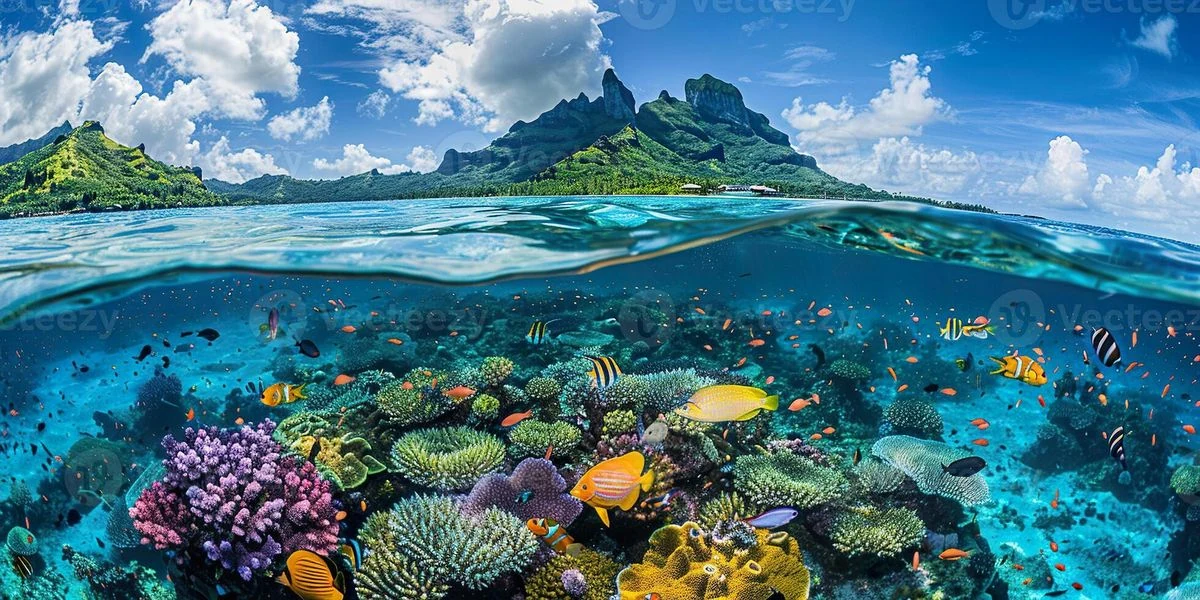
Marine biodiversity is not important solely for the creatures that live within it. Healthy oceans deliver immense benefits to humanity, from sustaining food security to creating the truly extraordinary experiences that inspire travellers around the world.
Maintaining the Balance of Marine Life
Within the ocean, every species has a role to play. Herbivorous fish help to control algal growth, preventing it from smothering coral reefs. Predators maintain equilibrium among populations, whilst smaller organisms are essential to the recycling of nutrients that the entire ecosystem depends upon. When any link in this chain is disrupted, the consequences can ripple throughout the whole habitat. This is why species diversity is the cornerstone of a healthy and productive ocean.
Supporting the Livelihoods of Millions
The ocean is also a source of livelihood for communities across the globe. Hundreds of millions of people depend upon fisheries and marine industries for food, employment, and income. Marine tourism, in turn, supports dive guides, liveaboard operators, local fishermen, small businesses, and coastal communities. When marine ecosystems remain healthy, these economic and social benefits can be enjoyed on a truly sustainable basis.
Protecting Coastlines and Regulating the Climate
Ecosystems such as mangroves, seagrass meadows, and coral reefs serve as natural barriers, shielding coastlines from erosion and the destructive force of large waves. At the same time, these habitats function as natural carbon sinks, helping to mitigate the effects of climate change. The ocean has absorbed more than 90% of the excess heat trapped in the Earth system. It stores vast quantities of carbon dioxide, making it one of the most critical buffers in the Earth’s climate system.
Creating Experiences That Cannot Be Replicated
For the traveller, the benefits of marine biodiversity are perhaps most profoundly felt beneath the waves. Imagine diving through a coral garden alive with tropical fish, watching a manta ray drift slowly overhead, or encountering a sea turtle swimming freely in its natural habitat. These are experiences that clear water alone cannot create; they depend entirely upon ecosystems that remain rich and full of life. This is what has always inspired every journey we undertake at La Galigo. The more deeply one understands how interconnected underwater life is, the greater one’s appreciation of every dive. The ocean becomes far more than a travel destination; it becomes a world worthy of both wonder and protection.
What Threatens Marine Biodiversity?
The ocean can appear so vast that it seems capable of recovering from almost anything. The reality, however, is considerably more complex. A growing body of research demonstrates that many marine ecosystems are under increasing pressure from environmental change and human activity.
Understanding these challenges is not intended to cause alarm. Rather, knowledge of the causes of damage allows us to make more responsible choices when we enjoy the ocean and to take actions that genuinely help protect it.
Climate Change
Climate change represents one of the most significant threats to marine biodiversity. Our oceans have absorbed the majority of excess heat generated by human activity, a role that has helped slow atmospheric warming but has simultaneously caused sea temperatures to rise steadily. These temperature changes affect virtually all life beneath the surface. Some species are beginning to migrate towards cooler waters, whilst others are struggling to adapt to conditions that are shifting far more rapidly than their natural capacity allows. For the traveller, the impact may not always be immediately visible. Yet, changes in species composition, declining coral cover, and the increasing rarity of certain marine life are often telling signs that an ecosystem is under stress.
Coral Bleaching
Have you ever seen photographs of a coral reef that has turned almost entirely white?
This phenomenon is known as coral bleaching. Corals live in a delicate symbiotic relationship with microscopic algae that provide them with most of their energy and give them their characteristic colour. When sea temperatures remain elevated for an extended period, this relationship breaks down, and the coral expels the algae in response to stress, leaving it pale and white.
Bleaching does not necessarily mean that coral will die immediately. If sea temperatures return to normal within a sufficiently short timeframe, some corals can recover. However, the longer the elevated temperatures persist, the slimmer the chances of recovery become. Since coral reefs provide habitat for thousands of species, damage to them can affect an entire underwater community.
Ocean Warming
The impact of rising sea temperatures extends well beyond coral reefs. Warmer water alters fish migration patterns, affects breeding seasons across species, and shifts the distribution of marine organisms into new regions. These changes are gradually reshaping the natural balance that underpins many of the world’s most celebrated dive destinations.
Ocean Acidification
In addition to absorbing heat, the ocean also absorbs carbon dioxide from the atmosphere. Increased levels of carbon dioxide cause seawater to become more acidic than its natural state, a process known as ocean acidification. More acidic water makes it considerably harder for organisms such as corals, shellfish, and certain types of plankton to form their skeletons and shells. Yet these very organisms form the foundation of many of the ocean’s food chains. Although these changes are not visible to the naked eye, their long-term consequences for the health of our seas could be profound.
Plastic Pollution
Plastic is one of the most pervasive forms of pollution in our oceans. From drinks bottles and carrier bags to discarded fishing nets and microplastic fragments, plastic waste can persist for many years before breaking down. Many marine animals are unable to distinguish plastic from natural food sources. Turtles may mistake carrier bags for jellyfish, whilst seabirds and fish frequently ingest small pieces of plastic inadvertently. Beyond directly harming wildlife, plastic waste can smother coral reefs and introduce non-native organisms into new habitats. Reducing single-use plastics may seem a modest step, but when millions of travellers adopt the same habit, the cumulative impact can be far greater than one might imagine.
Overfishing
The ocean provides a vital source of protein for billions of people around the world. However, this resource can only continue to sustain us if it is managed responsibly. Reports indicate that many of the world’s fish stocks are under significant pressure due to unsustainable fishing practices. When fish are harvested faster than their populations can replenish, the natural balance shifts; a reduction in algae-grazing fish, for example, can lead to unchecked algal growth across coral reefs; conversely, declining predator populations can disrupt the equilibrium of other species within the food chain. Because all organisms are interconnected, changes to one group can affect the entire ecosystem.
Habitat Destruction
Every species requires a safe environment in which to live, feed, and reproduce. Coral reefs, mangrove forests, and seagrass meadows are critical habitats for thousands of marine organisms. Yet these areas face growing threats from poorly planned coastal development, pollution, and destructive fishing practices. When a habitat is damaged, it is not merely one species that suffers; the entire web of life dependent upon that area loses its home. Protecting habitat means safeguarding a home for millions of marine organisms.
Unsustainable Tourism
Tourism has two sides. On the one hand, marine tourism can raise awareness and support local economies. On the other hand, irresponsible behaviour can accelerate environmental damage. Some of the most common examples include:
• Standing on or touching coral reefs
• Chasing wildlife in pursuit of a photograph
• Feeding fish or sea turtles
• Discarding waste into the sea
• Collecting coral, shells, or other marine life as souvenirs
• Dropping anchor on coral reef areas
Each of these actions may appear trivial when carried out by a single individual. However, when repeated by thousands of visitors year after year, the cumulative impact can become deeply significant. Every journey, therefore, carries with it a responsibility to respect the natural world we are privileged to visit.
Read Also: Night Diving Tips: Rules, Equipment, Unique Sealife
How Travellers Can Help Protect Marine Biodiversity
The encouraging news is that you do not need to be a marine scientist to help protect the ocean.
Each of us has an important role to play in supporting the health of our seas through everyday choices. The same applies when we are travelling. Here are some straightforward steps that can make a genuine and lasting difference.
Choose Responsible Tour Operators
Select tour operators who prioritise safety and apply responsible, sustainable practices throughout their operations. Reputable operators will provide thorough briefings before activities commence, respect the regulations of marine conservation areas, and educate their guests on how to enjoy the ocean without causing harm.
Never Touch or Stand on Coral Reefs
Coral reefs are living organisms that grow extraordinarily slowly. A touch of the hand, a foot placed upon a colony, or an inadvertent kick of a fin can cause damage that takes years to heal. Maintaining a respectful distance is the simplest and most effective way to help protect them.
Respect Marine Wildlife
Encountering turtles, manta rays, reef sharks, or dolphins in their natural habitat is a truly extraordinary privilege. Such experiences are best enjoyed without disturbing the animals’ natural behaviour. Please refrain from chasing, touching, or feeding marine wildlife, even in the pursuit of a closer photograph.
Reduce Single-Use Plastics
Carrying a reusable water bottle, a reusable shopping bag, or simply declining a plastic straw are small habits that can help reduce the volume of plastic entering our oceans. These choices become all the more meaningful when practised consistently throughout your travels.
Use Reef-Safe Sunscreen Where Appropriate
Certain chemical compounds found in conventional sunscreens are known to have a detrimental effect on the marine environment. Where possible, opt for products that are kinder to coral reefs and use them only as needed, particularly when swimming or snorkelling.
Leave Nature Where It Belongs
Shells, coral fragments, starfish, and other organisms are all integral parts of their ecosystem. Rather than taking them home as souvenirs, please leave them in their natural habitat, where they continue to fulfil their vital role in maintaining the ocean’s balance.
Support Marine Protected Areas
Many of the world’s most precious marine areas are managed as Marine Protected Areas (MPAs), designed to safeguard important habitats and allow nature the time and space to recover. By adhering to the rules in force within these areas and supporting local conservation efforts, you play a direct part in ensuring that they remain protected for the future.
Some of the World’s Richest Marine Biodiversity Is Found in Indonesia
For those who are passionate about the sea, very few places in the world can offer an experience comparable to Indonesia.
As the world’s largest archipelago nation, Indonesia sits at the heart of the Coral Triangle, a region recognised as the global centre of marine biodiversity. The Coral Triangle is widely reported to contain around 76% of all reef-building coral species known worldwide and more than 2,200 species of reef fish, representing roughly 37% of all reef fish species on Earth. This extraordinary richness makes Indonesia one of the most exceptional destinations on Earth for divers, snorkellers, underwater photographers, and anyone who wishes to experience the wonders of the deep.
For us at La Galigo, these statistics come to life with every voyage we undertake. In a single journey, you might begin your day diving through a coral garden alive with tropical fish, encounter a manta ray drifting elegantly on the current, and end your dive watching a green turtle gliding serenely through a seagrass meadow. No two dives are ever quite the same because every site has its own character and unique community of life.
Raja Ampat
Raja Ampat has long been recognised as one of the finest diving destinations in the world. Yet its appeal lies not merely in the sheer number of species present, but in the remarkable diversity and quality of its habitats. In one location, you may find expanses of hard and soft coral teeming with colourful reef fish; a few minutes later, the underwater landscape shifts to reveal a mangrove forest or seagrass meadow providing refuge for juvenile species. It is this diversity of habitat that makes Raja Ampat’s marine life so extraordinarily rich and consistently rewarding, even for those who have dived here many times before.
Komodo National Park
To the west, Komodo National Park offers a distinctly different experience. Its waters are influenced by the movement of water between the Pacific and Indian Oceans. This constant exchange brings nutrient-rich waters that support thriving coral reefs and provide habitat for a remarkable variety of large marine species. It is little wonder that this area is celebrated as one of the finest places in the world to encounter manta rays, reef sharks, sea turtles, and schools of pelagic fish. The combination of dramatic volcanic island scenery and exceptional underwater diversity makes Komodo a destination that is truly difficult to forget.
The Coral Triangle
Raja Ampat and Komodo National Park are but two examples of the wonders contained within the Coral Triangle. This region plays a vital role in the health of the world’s oceans. Beyond its extraordinary species richness, the Coral Triangle helps to sustain food security, protect coastlines, and support the livelihoods of millions of coastal communities. To visit this region is to witness one of the most precious ecosystems on our planet and to be reminded that such beauty can endure only if we commit to protecting it.
Conclusion
Marine biodiversity is far more than a scientific term. It is the reason we are still able to marvel at vibrant coral reefs, watch sea turtles swimming freely, and experience those unforgettable moments when a manta ray passes before our eyes.
All of these experiences depend upon a healthy ocean.
The encouraging news is that protecting the ocean does not always require grand gestures. Simple choices, respecting wildlife, refraining from touching coral reefs, reducing single-use plastics, and selecting operators committed to sustainable practices, can have a real impact when adopted by many people.
Throughout our explorations of Raja Ampat and Komodo National Park, we have learnt that every journey always carries two things: memories and responsibility. The memory of beauty we have been privileged to witness, and the responsibility to ensure that beauty endures for those who will follow in our wake.
At La Galigo, we hope that every journey extends beyond a pleasurable holiday. We want every guest to return home with a deeper appreciation of the ocean, a clearer understanding of why biodiversity matters so profoundly, and a sense of being part of the effort to protect one of the most extraordinary ecosystems on Earth. Ultimately, the finest way to enjoy the ocean is to ensure that it remains a place full of life and full of wonder, for all who come after us.
Frequently Asked Questions
What is marine biodiversity?
Marine biodiversity encompasses the full variety of life in the ocean, including species diversity, genetic variation, and a range of ecosystems, such as coral reefs, mangrove forests, seagrass meadows, the open ocean, and the deep sea. These three dimensions are mutually supportive and together form the foundation of a healthy marine environment.
Why is marine biodiversity important?
Marine biodiversity keeps our oceans healthy, supports food security, protects coastlines, helps regulate the global climate, and creates the remarkable experiences that divers, snorkellers, and ocean travellers cherish.
What are the greatest threats to marine biodiversity?
The principal threats to marine biodiversity include climate change, rising sea temperatures, coral bleaching, ocean acidification, plastic pollution, overfishing, habitat destruction, and irresponsible tourism activities.
How can travellers help protect marine biodiversity?
You can make a difference by choosing responsible tour operators, maintaining a respectful distance from marine wildlife, refraining from touching coral reefs, reducing single-use plastics, using environmentally considerate products where possible, and observing all regulations within marine conservation areas.
Why is Indonesia renowned for marine biodiversity?
Indonesia lies within the Coral Triangle, internationally recognised as the global centre of marine biodiversity. The region possesses one of the highest concentrations of coral and reef fish species anywhere on Earth. It is home to iconic destinations such as Raja Ampat and Komodo National Park.
Can tourism contribute to the protection of marine biodiversity?
Yes. Responsibly managed tourism can actively support conservation through education, the protection of marine areas, and the empowerment of local communities. By choosing operators who are committed to sustainable practices, travellers make a direct contribution to the health of the ocean and to the livelihoods of coastal communities.
References
Veron, J. E. N., DeVantier, L. M., Turak, E., Green, A. L., Kininmonth, S., Stafford-Smith, M., & Peterson, N. (2009). Delineating the Coral Triangle. Galaxea, Journal of Coral Reef Studies, 11(2), 91–100.
Worm, B., Barbier, E. B., Beaumont, N., Duffy, J. E., Folke, C., Halpern, B. S., Jackson, J. B. C., Lotze, H. K., Micheli, F., Palumbi, S. R., Sala, E., Selkoe, K. A., Stachowicz, J. J., & Watson, R. (2006). Impacts of biodiversity loss on ocean ecosystem services. Science, 314(5800), 787–790.
Halpern, B. S., Frazier, M., Potapenko, J., Casey, K. S., Koenig, K., Longo, C., Lowndes, J. S., Rockwood, R. C., Selig, E. R., Selkoe, K. A., & Walbridge, S. (2015). Spatial and temporal changes in cumulative human impacts on the world’s ocean. Nature Communications, 6, Article 7615.
Ward, D., Melbourne-Thomas, J., Pecl, G. T., Evans, K., Green, M., McCormack, P. C., Novaglio, C., Trebilco, R., Bax, N., Brasier, M. J., Cavan, E. L., Edgar, G., Hunt, H. L., Jansen, J., Jones, R., Lea, M.-A., Makomere, R., Mull, C., Semmens, J. M., … Layton, C. (2022). Safeguarding marine life: Conservation of biodiversity and ecosystems. Reviews in Fish Biology and Fisheries, 32(1), 65–100.