
There’s a moment underwater, somewhere between the silence and the sway of current, when you lock eyes with a cuttlefish doing its color-shifting magic trick, or a manta ray the size of a minivan cruises overhead like an alien spacecraft.
And all you can think is: “I hope my camera’s rolling”.
In Raja Ampat, where reefs explode with life and visibility can make you weep, your camera is more than gear: it’s your storyteller. Whether you’re a seasoned shooter with a rig that looks like a submarine or a newbie looking for something pocket-sized and easy to use, 2026 has a lineup of underwater cameras that deliver sharp, saturated, and soul-stirring images of the big blue.
Here’s your no-nonsense, field-tested list of the best underwater cameras for 2025—from compact warriors to full-frame beasts. No fluff, just the real-deal tools for capturing magic beneath the surface
How to Choose an Underwater Camera
Choosing the right underwater camera is not always about buying the most expensive model. The best setup depends on your diving style, photography goals, travel habits, and budget. Before picking a camera from the list below, it helps to understand a few key factors that influence underwater photography gear.
1. Camera Type
Underwater cameras generally fall into three main categories: compact cameras, mirrorless systems, and action cameras.
Compact cameras such as the Olympus Tough TG-7 are small, affordable, and easy for beginners to use. Mirrorless systems like the Sony A7 IV or Canon EOS R5 offer higher image quality and more manual control, but require larger housings and additional accessories. Action cameras such as the GoPro HERO13 are best for video, travel vlogging, and capturing fast-moving dive moments.
2. Housing Availability
Most cameras cannot be used underwater without a specialised waterproof housing. Good housing protects the camera from pressure and allows divers to access important controls during a dive.
Popular housing manufacturers include Nauticam and Ikelite. Before choosing a camera, it is important to check whether reliable underwater housings and compatible ports are available.
3. Lighting Compatibility
Water absorbs light quickly, which causes colours to fade with depth. This is why many underwater photographers eventually add strobes or video lights to their camera setup.
External lighting helps restore natural colours, improve contrast, and reveal details that would otherwise appear dull or blue underwater.
4. Travel Weight and Handling
Large underwater camera rigs can become heavy and bulky, especially when travelling or diving from small boats. Compact cameras are easier to carry and manage underwater, while full mirrorless systems often require trays, arms, and lighting equipment.
Divers who travel frequently may prefer a lighter setup that fits easily into luggage and is easier to handle during long dives.
5. Depth Rating
Depth rating refers to the maximum depth at which a camera or housing can safely operate underwater.
Some rugged compact cameras are waterproof to shallow depths on their own, usually around 10 to 15 metres. However, most scuba divers will need a dedicated housing to safely use a camera at deeper depths.
For example, action cameras like the GoPro HERO13 Black are waterproof to about 10 metres without a housing, but can typically reach depths of around 60 metres when paired with a dive housing. Professional mirrorless cameras always require specialised housings to withstand underwater pressure.
6. Budget and Total System Cost
When buying an underwater camera, the camera body is only part of the total cost. A complete system may also include:
- underwater housing
- dome ports or macro ports
- strobes or video lights
- arms, clamps, and trays
Because of these additional components, professional underwater photography rigs can become significantly more expensive than the camera body alone.
Now that you understand what to look for in an underwater camera, here are some of the best options available for divers in 2026.
Best Underwater Camera in 2026
| Camera | Type | Best For | Approx Cost | Skill Level |
| Sony A7 IV | Mirrorless | Hybrid photo/video | $$$ | Advanced |
| Canon R5 | Mirrorless | Professional stills/video | $$$$ | Advanced |
| Olympus TG-7 | Compact | Beginners | $ | Beginner |
| GoPro HERO13 | Action | Video & travel | $ | Beginner |
| SeaLife Micro 3.0 | Compact sealed | No-fuss diving | $$ | Beginner |
| Fuji X-H2S | Mirrorless | Video shooters | $$$ | Advanced |
| Sony RX100 VII | Compact | Travel photography | $$ | Intermediate |
Sony A7R V + Nauticam Housing
Best for: Hybrid underwater photographers seeking a balanced photo-and-video system.
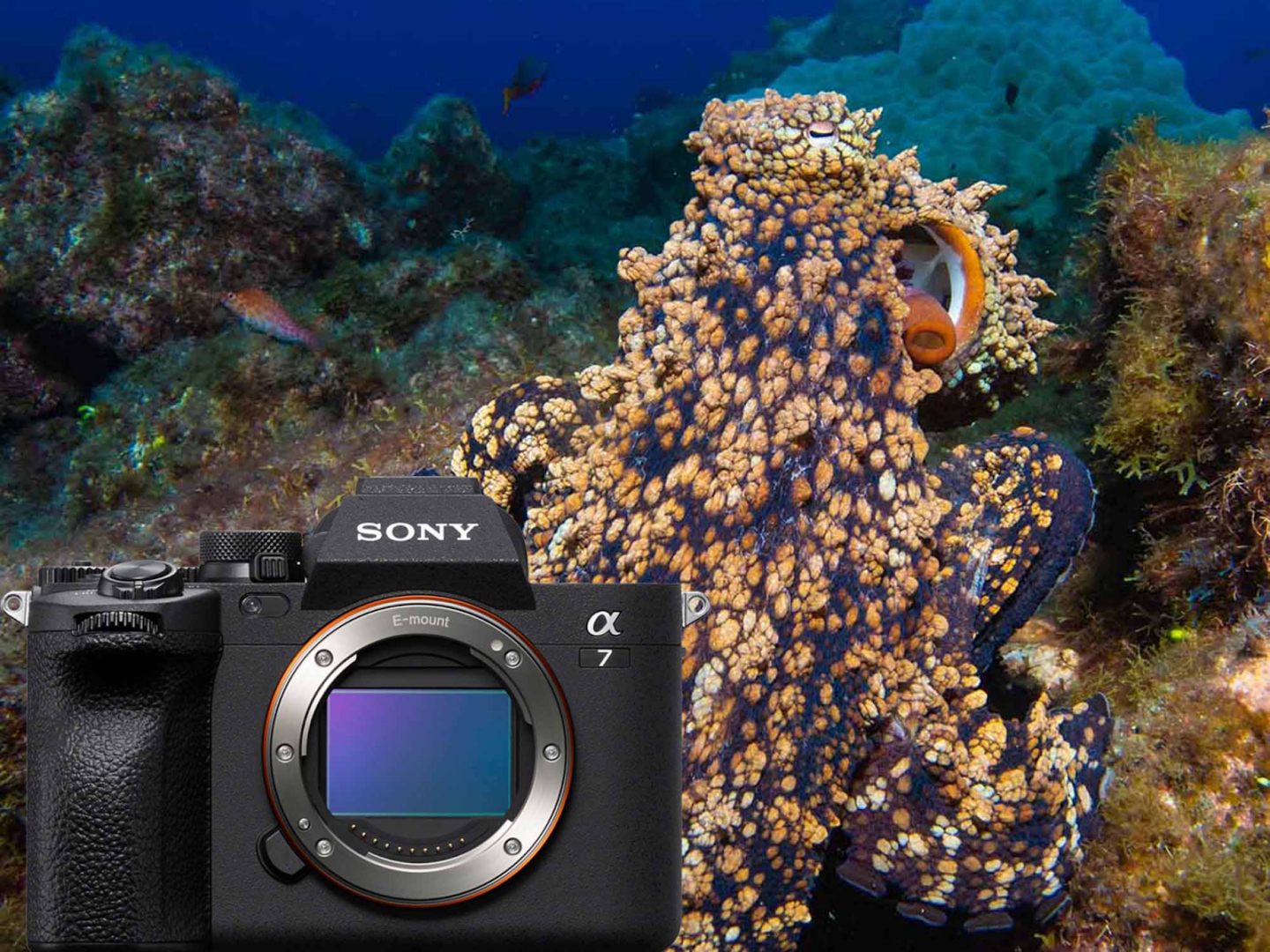
The Sony A7 IV strikes a sweet spot between resolution, performance, and practicality. Its 33-megapixel full-frame sensor delivers excellent image quality while keeping file sizes manageable, which is particularly helpful when shooting hundreds of frames during a busy dive. The camera’s advanced autofocus system also performs reliably underwater, helping photographers track moving subjects such as reef sharks, schooling fish, or fast-moving reef fish even in challenging lighting conditions.
Paired with a Nauticam housing, the A7 IV becomes a versatile underwater rig capable of handling both still photography and high-quality video. Its strong dynamic range and reliable colour reproduction make it suitable for everything from detailed macro shots of nudibranchs to wide-angle reef scenes filled with coral and marine life. For many divers, it offers a practical balance between professional performance and system cost, making it one of the most popular hybrid cameras used in underwater photography today.
- Pros: Excellent hybrid photo/video performance, strong autofocus, and more manageable file sizes than ultra-high-resolution cameras.
- Cons: Lower resolution than flagship models such as the A7R series.
- Damage: ~$2,500 for the body, ~$3,500–$4,000 for the housing.
ALSO READ: What is Coral Spawning? The Importance, Responsible Diving and Photography
Canon EOS R5 + Ikelite Housing
Best for: Professional underwater photographers who want ultra-high resolution for both stills and video.
The Canon EOS R5 is one of the most powerful hybrid cameras available for underwater imaging. Its 45-megapixel full-frame sensor captures exceptional detail, making it ideal for wide-angle reef scenes where photographers want to preserve the intricate textures of coral, schooling fish, and dramatic rays of light filtering through the water. The high resolution also allows generous cropping for macro subjects such as nudibranchs, shrimp, or tiny reef critters without sacrificing image quality.
Canon’s advanced Dual Pixel autofocus system performs impressively underwater, helping photographers lock focus quickly on moving marine life even in complex reef environments. When paired with a reliable Ikelite housing, the R5 becomes a serious underwater imaging tool capable of delivering both publication-quality stills and high-resolution video. From colourful coral gardens in Raja Ampat to close-up macro shots of cryptic reef creatures, the R5 offers the speed, detail, and versatility that demanding underwater shooters look for.
- Pros: Exceptional image detail, powerful autofocus, and strong hybrid photo-and-video performance.
- Cons: Expensive system overall, and large file sizes require more storage and processing power.
Estimated Price: ~$3,800 for the body, ~$1,500–$2,500 for the housing.
Olympus Tough TG-7
Best for: New divers, travelers, and people who just want great shots without fuss.
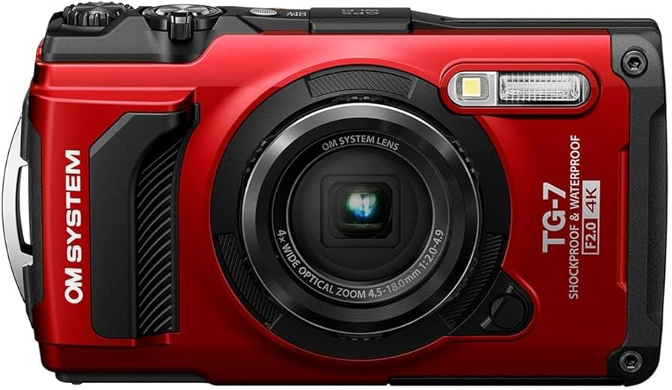
The name says it all—this camera is tough. The TG-7 is practically indestructible, and it’s the go-to compact for dive guides, backpackers, and anyone who wants to toss their camera in a day bag without thinking twice.
With RAW shooting, microscope mode (perfect for macro lovers), and 4K video, this little guy punches way above its weight. Pair it with the Olympus PT-059 housing and you’ve got a bombproof combo that fits in your BCD pocket.
- Pros: Affordable, compact, shockproof, macro-friendly.
- Cons: Smaller sensor means less detail in low light.
- Damage: ~$500 for the camera, ~$300 for the housing.
GoPro HERO13 Black + GoPro Dive Housing
Best for: Divers, vloggers, and action shooters who want simple, high-quality video without a bulky camera rig.
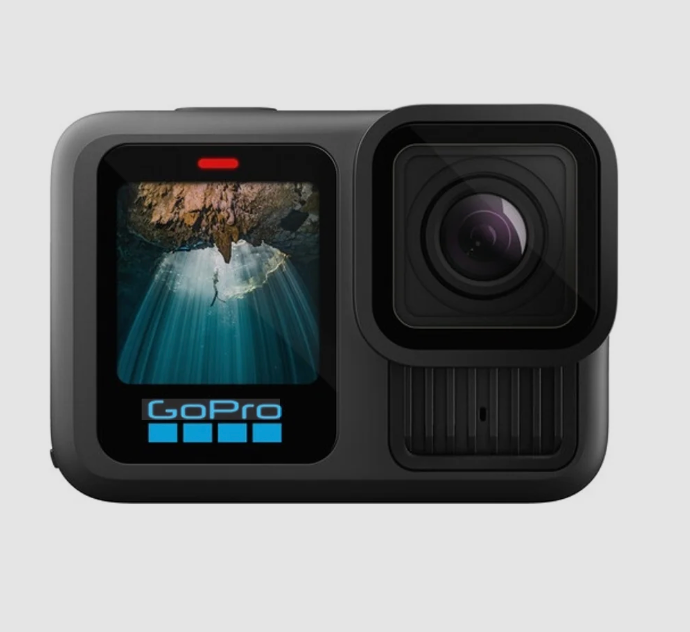
The GoPro HERO13 Black continues the legacy of action cameras that have become a staple in underwater adventure filming. Built for durability and ease of use, this compact camera captures crisp, high-resolution footage while remaining small enough to mount on a tray, helmet, or even a dive mask. Its advanced stabilisation system helps smooth out footage even when a surge or current makes holding a camera steady difficult, making it ideal for capturing fast-moving dive moments.
Paired with the official GoPro Dive Housing, the HERO13 Black becomes a reliable underwater companion capable of descending well beyond typical snorkelling depths. The ultra-wide field of view is perfect for dramatic reef scenes, schooling fish, and close encounters with large marine animals. For divers who prioritise storytelling, travel convenience, and effortless filming over complex camera settings, the HERO13 Black remains one of the easiest and most practical tools for documenting life beneath the surface.
- Pros: Extremely compact, excellent video stabilisation, simple to operate underwater.
- Cons: Smaller sensor limits still-photo quality and low-light performance compared with larger cameras.
- Estimated Price: ~$400–$450 for the camera, ~$50–$100 for the dive housing.
SeaLife Micro 3.0
Best for: Divers who don’t want to deal with housings or fuss.
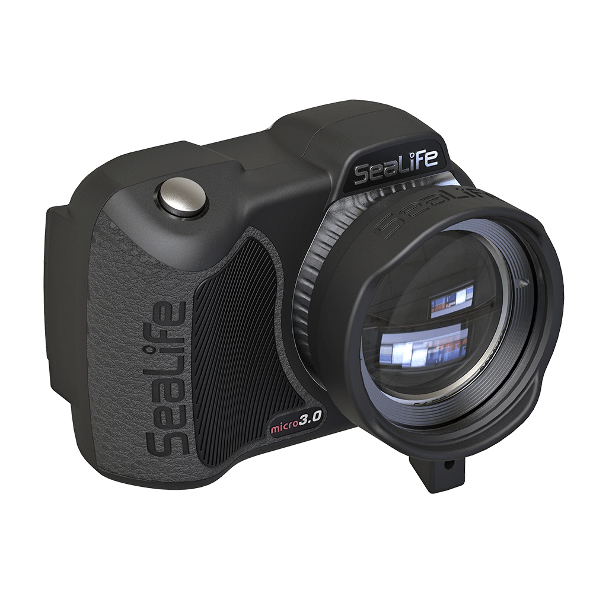
SeaLife’s Micro 3.0 is the underwater camera that just works. It’s permanently sealed (yep, no opening = no floods), and built with divers in mind—big buttons, easy menus, and bright colors that pop straight out of the camera.
It shoots 4K video, handles low light surprisingly well, and has a wide-angle lens that’s perfect for reefscapes and fish portraits. This one’s especially great for dive instructors, rental fleets, or anyone who just wants a “grab-and-go” camera that won’t fail mid-dive.
- Pros: Fully sealed, dead simple to use, surprisingly capable.
- Cons: No interchangeable lenses, limited manual controls.
- Damage: ~$600 all-in.
Fujifilm X-H2S + Nauticam Housing
Best for: Video-focused shooters and hybrid creators.
ALSO READ: How to Make Sure your Underwater Camera Housing Doesn’t Flood
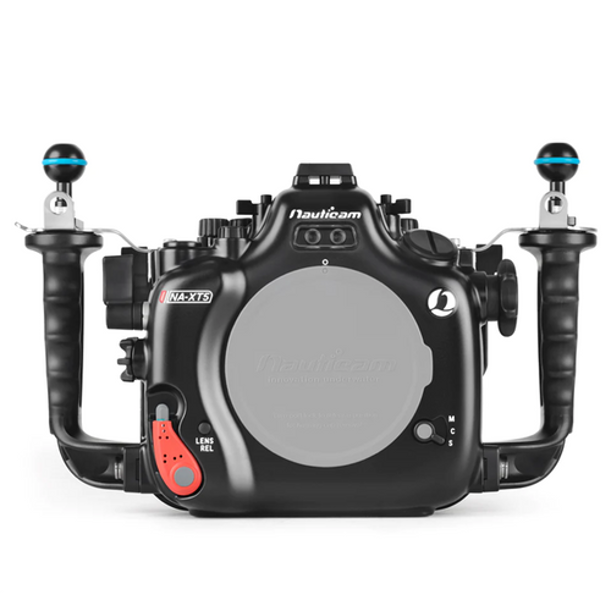
This is the dark horse. The X-H2S might not be as mainstream underwater as Canon or Sony, but it’s gaining traction—fast. It shoots 6.2K video, has pro-grade autofocus, and brings Fuji’s classic color science underwater in all its cinematic glory.
With Nauticam’s housing, it becomes a serious tool for hybrid shooters who want cinema-quality video and killer stills in one compact mirrorless setup.
- Pros: Stunning video, fast performance, Fuji’s colors.
- Cons: Fewer third-party housing and port options than Sony or Canon.
- Damage: ~$2,500 for the body, ~$3,800 for the housing.
Sony RX100 VII + Nauticam Housing
Best for: Travelling divers who want high-quality images in a compact, portable setup.
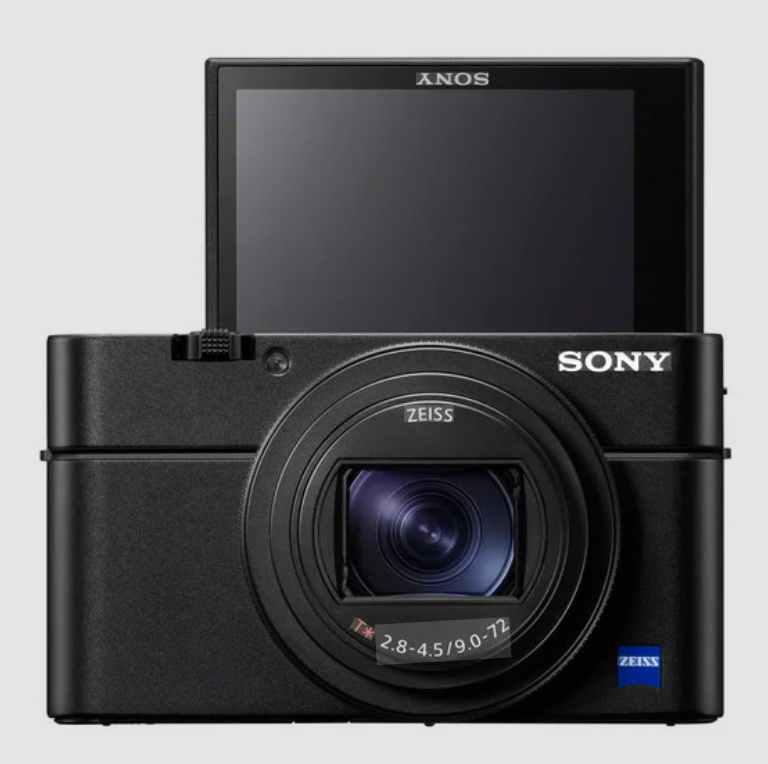
The Sony RX100 VII proves that a small camera can still deliver impressive underwater results. Equipped with a 1-inch sensor and a fast autofocus system, it delivers sharp images and responsive performance in a compact body that fits easily into a small travel bag. This makes it a favourite among divers who want high-quality photos without carrying a large and heavy camera rig.
When paired with a Nauticam housing, the RX100 VII becomes a surprisingly capable underwater camera for both macro and wide-angle photography. Its fast autofocus helps capture active marine life, while the compact size makes it easier to handle during long dives or strong currents. For travellers, liveaboard guests, or divers who prefer a lightweight setup, the RX100 VII offers a powerful balance between portability and image quality.
- Pros: Compact and travel-friendly, fast autofocus, excellent image quality for its size.
- Cons: Smaller sensor limits low-light performance compared with larger mirrorless cameras.
- Estimated Price: ~$1,300 for the camera, ~$1,100–$1,300 for the housing.
ALSO READ: 6 Underwater Wide Angle Photography Techniques
Final Thoughts: What Should You Actually Get?
Look, gear matters, but not as much as the person behind it. The best underwater camera for you depends on how you At the end of the day, underwater photography isn’t just about the camera body. Water absorbs light, colours disappear with depth, and conditions change constantly beneath the surface. That’s why lighting, buoyancy control, and patience often matter just as much as the camera in your hands. Many photographers eventually add strobes or video lights to restore colour and contrast, but the most important factor is still the diver behind the lens.
So which camera should you actually choose?
If you want a rugged, beginner-friendly camera that’s simple and reliable, the Olympus Tough TG-7 or SeaLife Micro 3.0 is an excellent starting point. They’re compact, travel-friendly, and capable of producing impressive images without a complicated setup.
For divers focused on video, travel vlogging, or capturing fast-moving dive moments, the GoPro HERO13 Black remains one of the easiest ways to document underwater adventures.
If you’re aiming for professional-quality stills or a full mirrorless system, cameras like the Sony A7 IV or Canon EOS R5 provide the power, autofocus performance, and image quality needed for serious underwater photography. Hybrid shooters who want strong video capabilities alongside still photography may also appreciate systems like the Fujifilm X-H2S.
Prefer something powerful but compact for travel? The Sony RX100 VII offers impressive performance in a lightweight setup that’s easy to carry on long dive trips.
Whatever camera you choose, remember this: the ocean doesn’t care how expensive your gear is. The most memorable underwater images usually come from patience, awareness, and a diver who is willing to hover quietly until the moment unfolds.
Planning a dive trip to Raja Ampat and looking for the ultimate underwater photography playground?
Come aboard La Galigo Liveaboard, where every dive site feels like a natural film set, and every surface interval comes with coffee, sunsets, and the gentle hum of a happy boat.
Because the only thing better than diving in paradise… is capturing it forever.
Frequently Asked Questions
What is the best underwater camera for beginners?
For most beginner divers, rugged compact cameras such as the Olympus Tough TG-7 or the SeaLife Micro 3.0 are excellent starting points. These cameras are designed to be simple, durable, and easy to use underwater. They are also relatively affordable compared to full mirrorless systems, making them ideal for divers who want to start learning underwater photography without investing in complex gear.
Do I need special housing for underwater photography?
Yes, most cameras require a dedicated underwater housing to safely operate below the surface. Mirrorless and DSLR cameras such as the Sony A7 IV or the Canon EOS R5 must always be used inside a waterproof housing designed for diving depths. Some compact cameras are waterproof on their own, but housings are still recommended for deeper dives or added protection.
How deep can action cameras go underwater?
Most action cameras, including the GoPro HERO13 Black, are waterproof to around 10 metres without a housing. When used with a dedicated dive housing, they can typically reach depths of up to about 60 metres, which is suitable for most recreational scuba diving.
Is a full-frame camera better for underwater photography?
Full-frame cameras generally provide better low-light performance, wider dynamic range, and higher image quality. This makes them popular among professional underwater photographers. However, they are also larger, heavier, and more expensive. Many divers still achieve excellent results using compact or APS-C cameras, especially when paired with good lighting and proper technique.
Do I need strobes or video lights for underwater photography?
Artificial lighting is often essential for high-quality underwater images. Water absorbs colour quickly, especially red and orange wavelengths, which is why photos taken at depth often appear blue or green. External strobes or video lights help restore natural colours and improve contrast, particularly when shooting deeper than a few metres.
What is the best compact underwater camera for travel?
Compact cameras such as the Sony RX100 VII are popular among travelling divers because they provide excellent image quality while remaining small and lightweight. When paired with a dedicated underwater housing, they offer a good balance between portability and performance.
Is underwater photography expensive?
It can be, but it doesn’t have to be. Entry-level setups with compact cameras may cost around 500 to 1,000 US dollars, while mid-range mirrorless systems can range from 2,000 to 5,000 dollars, depending on the housing and accessories. Professional full-frame rigs with strobes, ports, and lighting can easily exceed 10,000 dollars.
What is the most important skill for underwater photography?
The most important skill is buoyancy control. A diver who can hover steadily in the water will be able to compose shots more carefully and avoid damaging delicate coral reefs. Many experienced underwater photographers recommend mastering diving skills first before focusing on advanced camera gear.
Can you use a regular camera underwater?
No, regular cameras are not designed to withstand water pressure. Even a small amount of water exposure can permanently damage the electronics. To safely use a camera underwater, it must either be waterproof by design or placed inside a specialised underwater housing.
What type of underwater camera is best for scuba diving?
The best type of camera depends on your goals. Compact cameras are ideal for beginners and travel, mirrorless cameras provide the highest image quality for serious photography, and action cameras are excellent for capturing fast-paced dive footage and travel videos.