
Indonesia is recognised as one of the world’s greatest marine biodiversity hotspots. From Raja Ampat to Komodo National Park, its waters are home to thousands of fish species, vibrant coral reefs, sea turtles, sharks, manta rays, and marine mammals. Together, they make Indonesia a dream destination for divers from around the world.
Yet this extraordinary underwater world cannot be taken for granted. Healthy marine ecosystems depend on many factors, including how people use marine resources responsibly.
We believe that the best diving experiences always begin with a healthy ocean. That is why we also believe that sustainable fishing plays a vital role in keeping Indonesia’s coral reefs and marine life thriving for generations to come.
What Is Sustainable Fishing?
Sustainable fishing is the practice of catching fish in a way that keeps fish populations healthy, marine habitats intact, and coastal communities benefiting economically over the long term.
Simply put, sustainable fishing does not mean stopping fishing altogether. Instead, it means harvesting fish at a level that can be naturally replenished through reproduction.
Think of the ocean as a garden. If you harvest only what is needed, the garden will continue to flourish. But if you remove every plant without giving it time to regrow, the garden will eventually stop producing.
The same principle applies to the ocean.
A Simple Definition of Sustainable Fishing
Sustainable fishing aims to balance meeting human needs with protecting the health of marine ecosystems. This approach ensures that fish remain available as a food source while safeguarding marine habitats and biodiversity.
The Three Principles of Sustainable Fishing
Sustainable fishing is generally built on three key principles.
- Maintaining healthy fish populations so they can continue to reproduce.
- Minimising impacts on marine habitats such as coral reefs, seagrass meadows, and non-target species.
- Providing long-term benefits for coastal communities that depend on fisheries for their livelihoods.
These three principles form the foundation of many modern fisheries management strategies, including the Ecosystem Approach to Fisheries Management (EAFM), which Indonesia has adopted. This approach emphasises that fisheries management should not focus solely on the quantity of fish caught. It must also consider ecosystem health, community well-being, and good governance.
Why Sustainable Fishing Matters for Indonesia
Indonesia is made up of more than 17,000 islands and lies at the heart of the Coral Triangle, a region recognised as the global centre of marine biodiversity. This remarkable natural wealth makes Indonesia truly exceptional, while also bringing a significant responsibility to protect it.
Home to One of the World’s Richest Marine Ecosystems
When you dive with us in Raja Ampat, Alor, the Banda Sea, or Komodo, you may encounter large schools of fish, graceful sea turtles, reef sharks, and colourful coral reefs.
All these incredible sights depend on a healthy, balanced ecosystem.
If pressure on fish populations becomes too great, that balance can be disrupted. Some species begin to decline, food webs shift, and the overall health of the ecosystem suffers.
Supporting Coastal Communities and Food Security
Fisheries are an important part of Indonesia’s livelihoods and food system. In 2024, Indonesia produced around 7.33 million tonnes of capture fisheries, while the country has approximately 2.2 million fishers whose livelihoods depend on the sector. Aquatic foods also provide around half of Indonesians’ animal protein intake, highlighting the sector’s importance to national food security.
By adopting sustainable fishing practices, these communities can continue to benefit economically without depleting the marine resources that future generations will rely on. This is why sustainable fishing is not only about conservation. It is also about securing the long-term well-being of the people whose lives depend on the sea.
Protecting the Future of Marine Tourism
As a liveaboard operator, we see firsthand how healthy oceans create exceptional diving experiences.
The healthier the marine ecosystem, the greater your chances of encountering a diverse range of marine species in their natural habitats.
Conversely, if fish populations continue to decline or marine habitats are damaged, those unforgettable experiences will gradually disappear.
Read More: Differences Between Snorkelling vs Diving
How Sustainable Fishing Protects Reefs and Marine Life
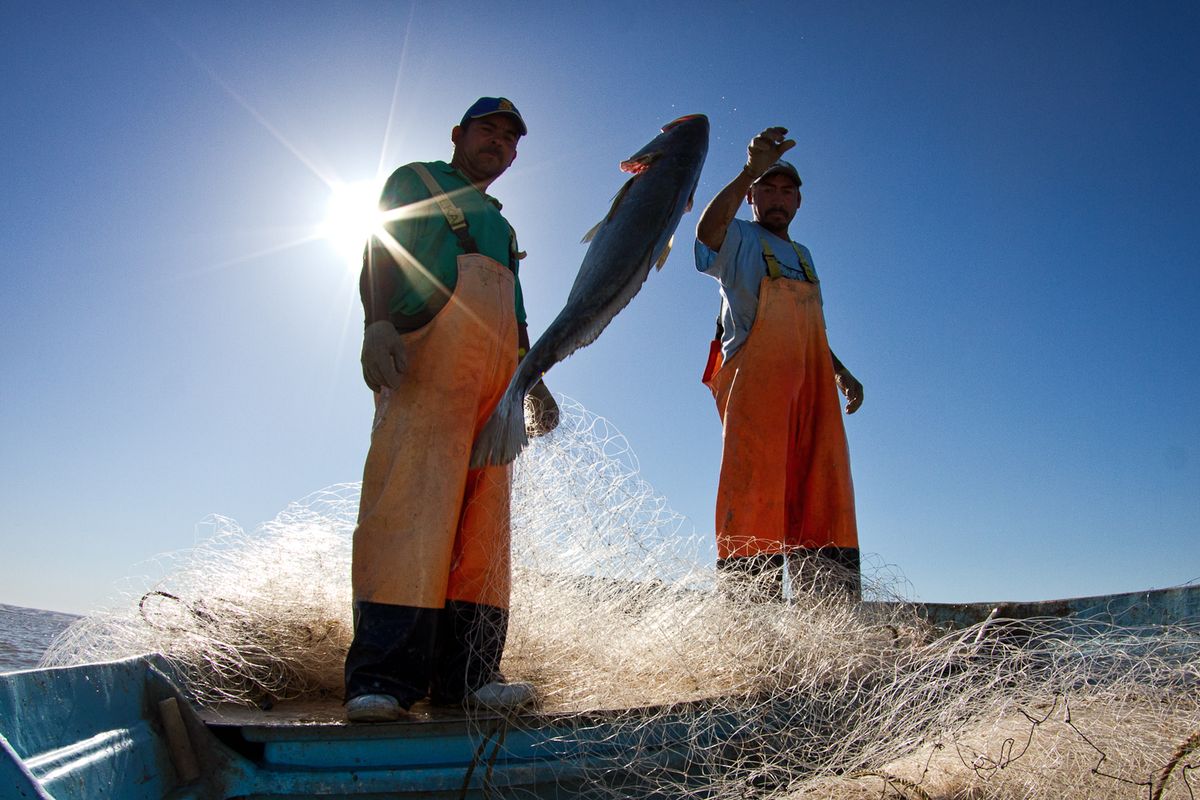
So, how does sustainable fishing actually help protect marine ecosystems?
Prevents Fish Populations from Declining
Sustainable fishing practices ensure that the number of fish caught does not exceed the population’s natural ability to recover.
This allows fish stocks to remain healthy and continue reproducing over time.
Maintains the Balance of Marine Food Webs
In the ocean, every species has its own role.
Predators help regulate prey populations, while herbivorous fish keep algae from overgrowing coral reefs.
If one group of fish declines significantly, the food web’s balance can be disrupted, affecting many other species.
Maintaining healthy fish populations helps ensure that the entire ecosystem continues to function as it should.
Reduces Damage to Coral Reefs
Not all fishing methods have the same impact.
Sustainable fishing encourages more selective fishing gear, helping minimise damage to marine habitats.
Healthy coral reefs continue to provide shelter, feeding grounds, and breeding habitats for thousands of marine species.
Protects Vulnerable Marine Species
In addition to protecting target fish species, sustainable fishing also helps reduce the accidental capture of non-target species, such as sea turtles, sharks, and rays.
This helps preserve marine biodiversity.
What Makes Fishing Sustainable?
Several practices help determine whether a fishery is sustainable.
Science-Based Catch Limits
The number of fish harvested should be based on the condition of wild fish stocks.
A science-based approach helps ensure that fish populations can continue to recover naturally.
Seasonal Fishing Closures
At certain times of the year, some fishing areas may be temporarily closed to allow fish to reproduce.
This simple measure gives fish populations the opportunity to replenish naturally.
Marine Protected Areas
Marine Protected Areas provide space for marine ecosystems to thrive without excessive fishing pressure.
When habitats remain healthy, the benefits extend beyond the protected area itself and can help support fish populations in surrounding waters.
Selective Fishing Gear
More selective fishing gear helps reduce the capture of non-target species while minimising damage to marine habitats.
Monitoring and Responsible Fisheries Management
Effective fisheries management requires consistent monitoring, scientific data, and collaboration between governments, scientists, coastal communities, and the fishing industry.
Sustainable Fishing in Indonesia
Indonesia has made significant efforts to manage its fisheries more sustainably, although challenges remain.
Illegal, unreported and unregulated fishing continues to put pressure on Indonesian waters, while destructive fishing methods such as blast fishing and cyanide fishing still occur in some areas. These practices can remove fish from ecosystems while damaging reef habitats that may take decades to recover.
There is also real evidence that fisheries management can work. Research across around 4,000 kilometres of the Indonesian archipelago found that total reef fish biomass in no-take reserves and areas with fishing restrictions was around 1.4 times higher than in open-access areas. The study also found that the highest biomass occurred on remote reefs, showing how fishing pressure, management, and remoteness can all shape the condition of reef fisheries (Campbell et al., 2020).
Indonesia’s continued development of ecosystem-based fisheries management is an important step towards balancing marine conservation with the wellbeing of coastal communities.
How Divers and Travellers Can Support Sustainable Fishing
You can also help protect Indonesia’s oceans.
Choose Seafood Responsibly
When choosing seafood, it is worth thinking twice about slow-growing and vulnerable reef fish that can be particularly sensitive to fishing pressure. Species such as grouper, Napoleon wrasse, and large snapper can be especially vulnerable when heavily fished. The Napoleon wrasse is also a protected species in Indonesia, so choosing other seafood options can help reduce pressure on vulnerable reef fish.
Support Local Communities That Fish Sustainably
Supporting local communities that practise sustainable fishing helps strengthen coastal livelihoods while protecting ocean health.
Respect Marine Protected Areas
If you visit a Marine Protected Area, always follow the regulations in place. These rules protect the habitats that support thousands of marine species.
Travel with Operators That Support Ocean Conservation
At La Galigo, we believe that the best journeys are those that also benefit nature. That is why we encourage every guest to experience Indonesia’s marine beauty with respect for the life that thrives beneath the surface. By protecting the ocean together, we help ensure that future generations of divers can enjoy the same extraordinary experiences.
Keep Indonesia’s Oceans Thriving for Future Generations
Indonesia’s spectacular marine environment is about far more than colourful coral reefs or unforgettable encounters with marine wildlife. It depends on a balance of healthy ecosystems supported through a range of efforts, including sustainable fishing practices.
We believe that enjoying the ocean and protecting it go hand in hand. Every journey you take is an opportunity to better understand the importance of safeguarding the ecosystems that make Indonesia so extraordinary.
By supporting sustainable fishing and exploring the ocean responsibly, together we can help ensure that Indonesia’s coral reefs, marine life, and world-class diving experiences continue to thrive, not only today but for generations to come.
Frequently Asked Questions
Is sustainable fishing the same as overfishing?
No. Overfishing occurs when fish are caught faster than populations can naturally recover, while sustainable fishing keeps catch levels within limits that allow fish populations to replenish over time.
Does sustainable fishing allow people to keep catching fish?
Yes. The goal is not to stop fishing, but to ensure that fishing can continue without depleting marine resources.
How does sustainable fishing protect coral reefs?
By reducing pressure on fish populations, minimising damage to marine habitats, and promoting more responsible fishing methods, sustainable fishing gives coral reefs a better chance to remain healthy.
Why is sustainable fishing important in Indonesia?
Indonesia is one of the world’s richest centres of marine biodiversity, and millions of people depend on fisheries for food security and their livelihoods. Sustainable fishing helps protect both.
Can tourists help support sustainable fishing?
Absolutely. Choosing responsible tour operators, respecting Marine Protected Areas, and supporting sustainable tourism are all simple ways you can make a positive contribution.
References
Campbell, S. J., Darling, E. S., Pardede, S., Ahmadia, G., Mangubhai, S., Amkieltiela, Estradivari, & Maire, E. (2020). Fishing restrictions and remoteness deliver conservation outcomes for Indonesia’s coral reef fisheries. Conservation Letters, 13(2).
Kurnia, R., Muis, M., & Hakim, A. A. (2021). What’s wrong with the coastal waters of Spelman Strait, Indonesia: Sustainable reef fisheries management is required. Jurnal Pengelolaan Sumberdaya Alam dan Lingkungan, 11(3), 408–418.
Muawanah, U., Yusuf, G., Adrianto, L., Kalther, J., Pomeroy, R., Abdullah, H., & Ruchimat, T. (2018). Review of national laws and regulation in Indonesia in relation to an ecosystem approach to fisheries management. Marine Policy, 91, 150–160.
Badan Pusat Statistik. (2026, March 2). Produksi perikanan tangkap menurut provinsi subsektor perikanan laut (ton).
Food and Agriculture Organisation of the United Nations. (2022). The state of world fisheries and aquaculture 2022: Towards blue transformation.
Aryal, R. (2024, January 17). Protecting high-value potentials of Indonesian seas. Food and Agriculture Organisation of the United Nations.