
Indonesia is often described as the epicentre of global marine biodiversity. With more than 17,000 islands, thousands of kilometres of coastline, and the meeting point of major Pacific and Indian Ocean currents, Indonesian waters form an underwater ecosystem mosaic that is nearly unmatched anywhere else on the planet.
When people talk about diving in Indonesia, the names that almost always come up are Raja Ampat, Komodo, and Bali. Each represents a different gateway into Indonesia’s underwater world. Raja Ampat and Komodo are undeniably iconic, and they fully deserve their reputations. Both are known as destinations that set a high standard for biodiversity, ecosystem scale, and overall diving quality.
However, Indonesia is not defined by these two destinations alone. Beyond the well-known names, many other dive regions of exceptional quality remain relatively underrepresented on the global stage. This article invites you to explore Indonesia’s dive destinations beyond the mainstream.
Indonesia’s Iconic Dive Destinations: The Benchmark for World-Class Diving
It is no exaggeration to say that Raja Ampat and Komodo serve as benchmarks for world-class diving in Indonesia.
Raja Ampat is widely recognised as the global centre of marine biodiversity. The density of hard and soft corals, the sheer number of fish species, and the complexity of its ecosystems make it both a scientific reference point and a dream destination for divers worldwide. Well-developed diving infrastructure, particularly through liveaboards and dedicated dive resorts, enables divers to explore this remote region safely and well organised.
Komodo, by contrast, offers a very different character. Strong, nutrient-rich currents create a dynamic and often challenging underwater environment. Encounters with manta rays, large schooling fish, and dramatic underwater landscapes make Komodo a favourite for divers who enjoy energy and intensity.
These destinations are not just popular. Raja Ampat and Komodo are known for consistency in quality, operational maturity, and a relatively high level of safety when explored with operators who understand local conditions. In regions like these, the diving experience is shaped by route planning, site selection, and travel rhythm. These elements are typically well managed through experienced liveaboard operations such as La Galigo Liveaboard. This is why Raja Ampat and Komodo remain the primary reference points, and why other destinations are so often measured against them.
Looking Beyond the Icons
If Raja Ampat and Komodo already offer such complete experiences, why look elsewhere?
The answer is simple. Indonesia is far too vast to be reduced to two points on a map.
Each marine region in Indonesia has:
- Distinct ecosystem characteristics, ranging from volcanic substrates to atoll reefs, deep seas, and narrow straits
- Unique current and nutrient dynamics
- Varying levels of crowding, often far quieter than iconic destinations
- More specialised dive experiences, whether macro-focused, pelagic-oriented, photography-driven, or exploratory
Diving in lesser-known destinations is not about finding something better, but about finding something different, and often something more personal.
Top Lesser-Known Dive Destinations in Indonesia
Below is a selection of Indonesian dive destinations that are less well known internationally but are exceptionally strong in quality and character.
1. Alor
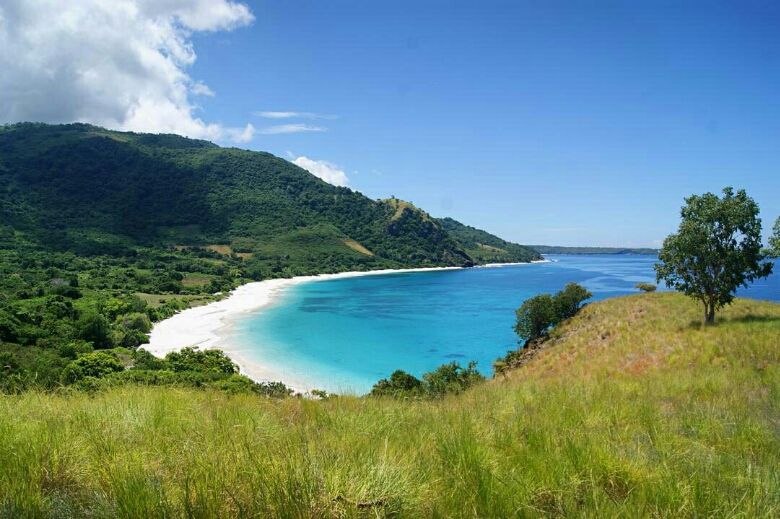
Alor is often described as Indonesia in its rawest form. Located in East Nusa Tenggara, this region lies directly in the path of powerful ocean currents that transport nutrients from deep waters.
Key characteristics of Alor include:
- Strong and variable currents
- Extremely vibrant coral reefs
- A combination of big fish encounters and rich macro life
Alor is not always easy. Conditions can change quickly, visibility varies, and dives often feel exploratory. That challenge is precisely its appeal. For experienced divers, Alor offers authentic Indonesian diving that remains largely untouched by mass tourism.
2. Banda Sea
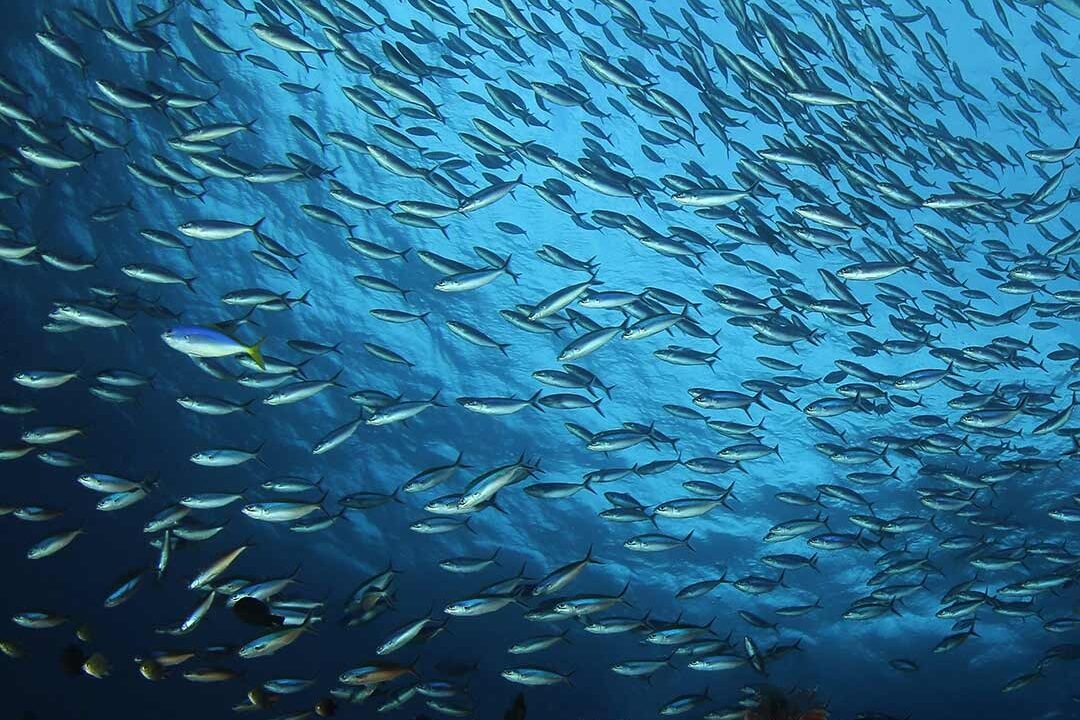
The Banda Sea is legendary among experienced divers. Remote, deep, and vast, it is known for dramatic vertical walls plunging into dark blue water and seasonal encounters with large pelagic species.
Key characteristics of the Banda Sea include:
- Large-scale wall dives
- Seasonal hammerhead shark sightings
- Exceptional blue-water visibility
Diving in Banda is less about comfort and more about expedition-style exploration. Usually accessed by liveaboard, this region suits divers seeking open-ocean experiences on a rare scale.
3. Wakatobi
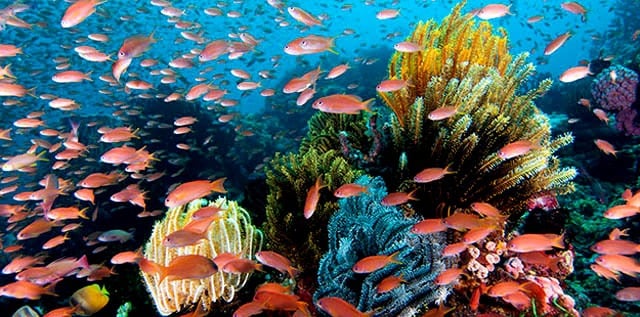
If Alor and Banda feel wild, Wakatobi represents the opposite. Calm, orderly, and consistent.
Wakatobi’s reefs are renowned for being healthy and highly photogenic, with smooth colour gradients and intact reef structures. Currents are generally gentle, creating a relaxed yet visually rich diving experience.
Key characteristics of Wakatobi include:
- Exceptionally well-preserved coral reefs
- Stable diving conditions
- Strong suitability for underwater photography
Wakatobi is often chosen by divers who want to enjoy reef beauty without the pressure of extreme conditions.
4. Lembeh Strait
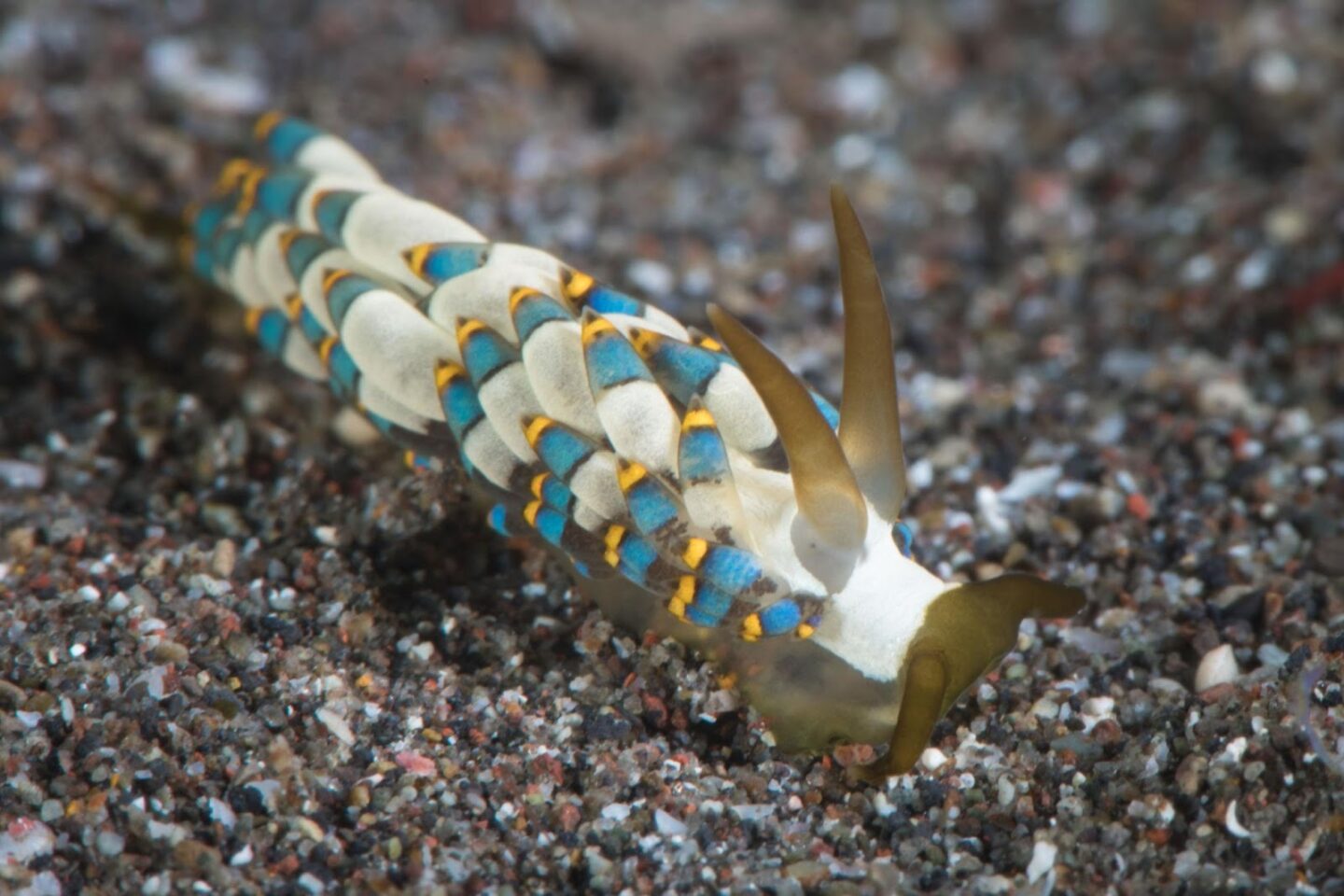
Lembeh may not offer dramatic reef scenery, but it is widely regarded as the world’s macro diving capital.
Its volcanic black sand seabed provides habitat for some of the most unusual and rare marine creatures imaginable.
Key characteristics of Lembeh include:
- World-class muck diving
- Rare critters such as the mimic octopus and the flamboyant cuttlefish
- Extremely productive night dives
Lembeh is a specialist destination. It does not appeal to everyone immediately, but for macro enthusiasts, it often becomes a global reference point.
5. Derawan Islands
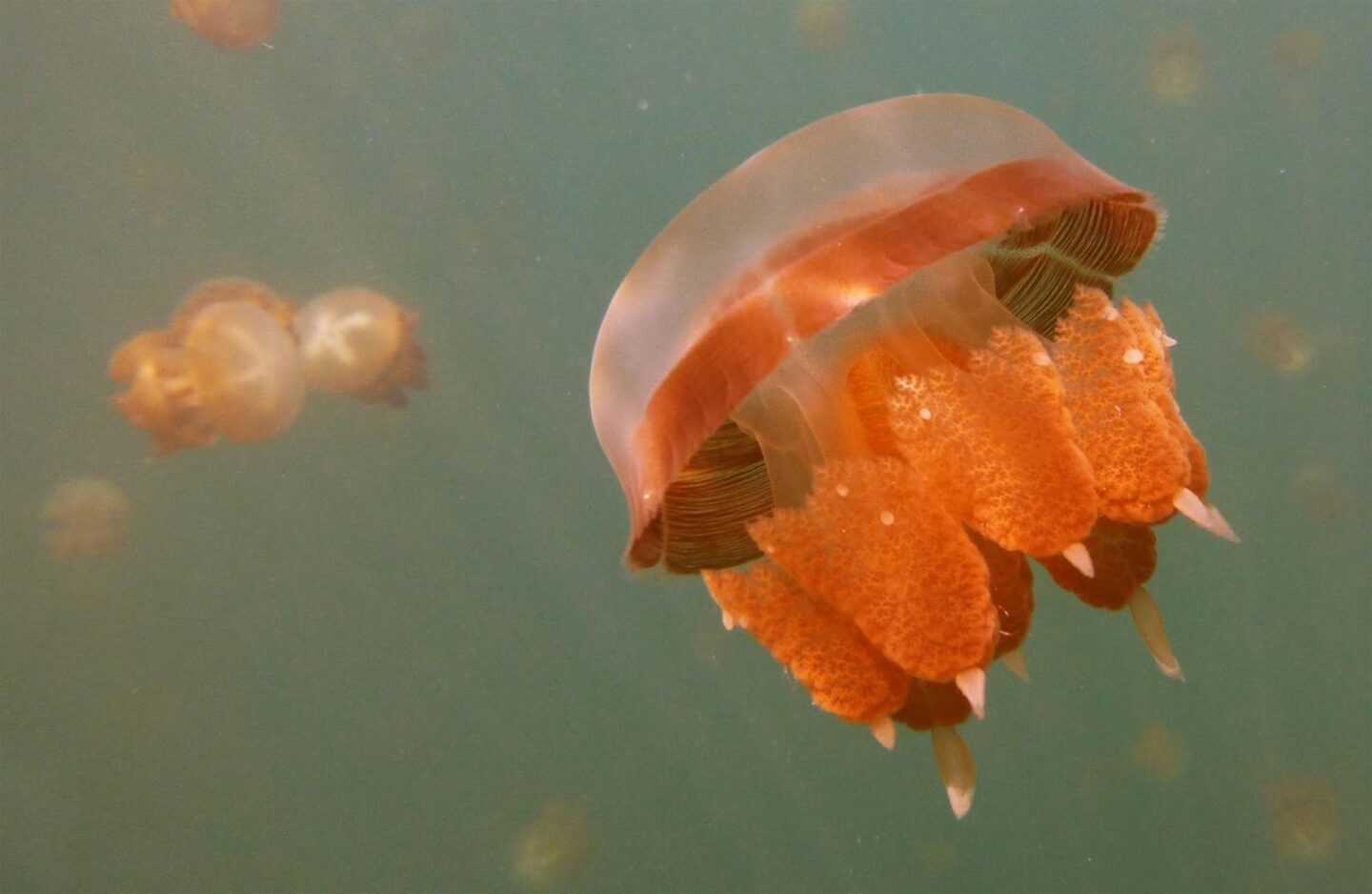
The Derawan Islands offer a combination of experiences rarely found within a single region.
From manta ray encounters at Sangalaki to the non-stinging jellyfish lake at Kakaban, Derawan delivers a wide variety within one trip.
Key characteristics of Derawan include:
- Manta ray interactions
- The unique jellyfish lake phenomenon
- Suitability for a range of experience levels
Derawan is relatively well known domestically but remains underexposed internationally.
Read Also: Top 8 Diving Destinations in Indonesia You Can’t Miss
How These Destinations Compare with Raja Ampat and Komodo
Rather than asking which destination is better, a more useful comparison focuses on the type of experience offered.
- Raja Ampat: Maximum biodiversity, coral exploration, and a comprehensive diving experience
- Komodo: Dynamic currents, pelagic action, and high-energy diving
- Alor and Banda: Large-scale exploration suited to experienced divers
- Wakatobi: Consistency and refined reef beauty
- Lembeh: Extreme macro specialisation
- Derawan: Unique variety within a single region
All are at a similar quality level, but each differs in focus.
Choosing the Right Destination for Your Diving Style
- Beginner or recreational divers: Wakatobi, Derawan
- Experienced or advanced divers: Alor, Banda Sea, Komodo
- Macro and photography-focused divers: Lembeh, Wakatobi
- Pelagic and big-animal seekers: Komodo, Banda Sea, Derawan
- Exploratory diving: Alor, Banda Sea, southern Raja Ampat
Understanding your diving style is far more important than following destination trends.
Exploring Indonesia’s Remote Dive Regions by Liveaboard
Many of Indonesia’s lesser-known dive destinations are far from urban centres and land-based facilities. This is where liveaboards play a critical role.
Liveaboards allow divers to:
- Access remote locations safely
- Dive at optimal times based on conditions.
- Combine multiple regions within a single journey.
For areas such as the Banda Sea, Alor, or remote parts of Raja Ampat, liveaboards are often not just an option, but the most effective solution for meaningful exploration.
Final Thoughts
Raja Ampat and Komodo will always remain icons. They are benchmarks that define the standard of Indonesian diving. However, Indonesia’s true strength lies in its diversity.
From the black sands of Lembeh to the deep blue walls of Banda, from the refined reefs of Wakatobi to the powerful currents of Alor, Indonesia is one country with many underwater worlds.
For divers willing to look beyond the familiar names, the most rewarding adventures often begin just beyond the spotlight.
Frequently Asked Questions
1. What does “lesser-known dive destinations” mean in Indonesia?
The term refers to dive destinations that are less internationally recognised than Raja Ampat, Komodo, or Bali, not because they are lower in quality. Many offer exceptional ecosystems and unique diving experiences but remain underrepresented globally.
2. Are lesser-known destinations comparable in quality to Raja Ampat and Komodo?
In terms of experience quality, many are comparable. The difference lies in focus, such as macro specialisation, exploratory character, or more challenging conditions. Raja Ampat and Komodo stand out for their completeness and consistency.
3. Are these destinations suitable for beginner divers?
Some are, some are not.
Wakatobi and Derawan are generally beginner-friendly due to stable conditions.
Alor and the Banda Sea are better suited to experienced divers because of strong currents and remoteness.
Destination choice should be based on experience level, not popularity.
4. Why is Bali not included as a lesser-known destination?
Because Bali is already a globally recognised diving destination and often serves as an entry point to Indonesian diving, this article focuses on high-quality regions that remain less widely known.
5. Are lesser-known destinations harder to reach?
Generally, yes. Many require additional flights, sea travel, or liveaboards. This remoteness also helps keep them quieter and more environmentally healthy.
6. Is a liveaboard necessary to explore these destinations?
For regions such as the Banda Sea, Alor, and remote parts of Raja Ampat, liveaboards are often the most effective and safest option. They offer route flexibility and access to sites that are difficult to reach by land, as provided by experienced operators such as La Galigo Liveaboard.
7. When is the best time to dive in Indonesia’s lesser-known destinations?
Optimal seasons vary by region.
The Alor and Banda Seas are best during specific windows with favourable currents and visibility.
Wakatobi and Lembeh are relatively consistent year-round.
Derawan is best during calmer seasons with stable visibility.
Always check local seasons and operator recommendations.
8. Are lesser-known destinations quieter than Raja Ampat and Komodo?
In most cases, yes. Diver numbers are typically lower, especially outside peak seasons. This creates a more personal experience and reduces environmental pressure.
9. Which is better, iconic or lesser-known destinations?
Neither is universally better. Iconic destinations excel in consistency, completeness, and accessibility. Lesser-known destinations excel in unique character, quieter conditions, and a stronger sense of exploration. The best choice depends on your diving style and travel goals.